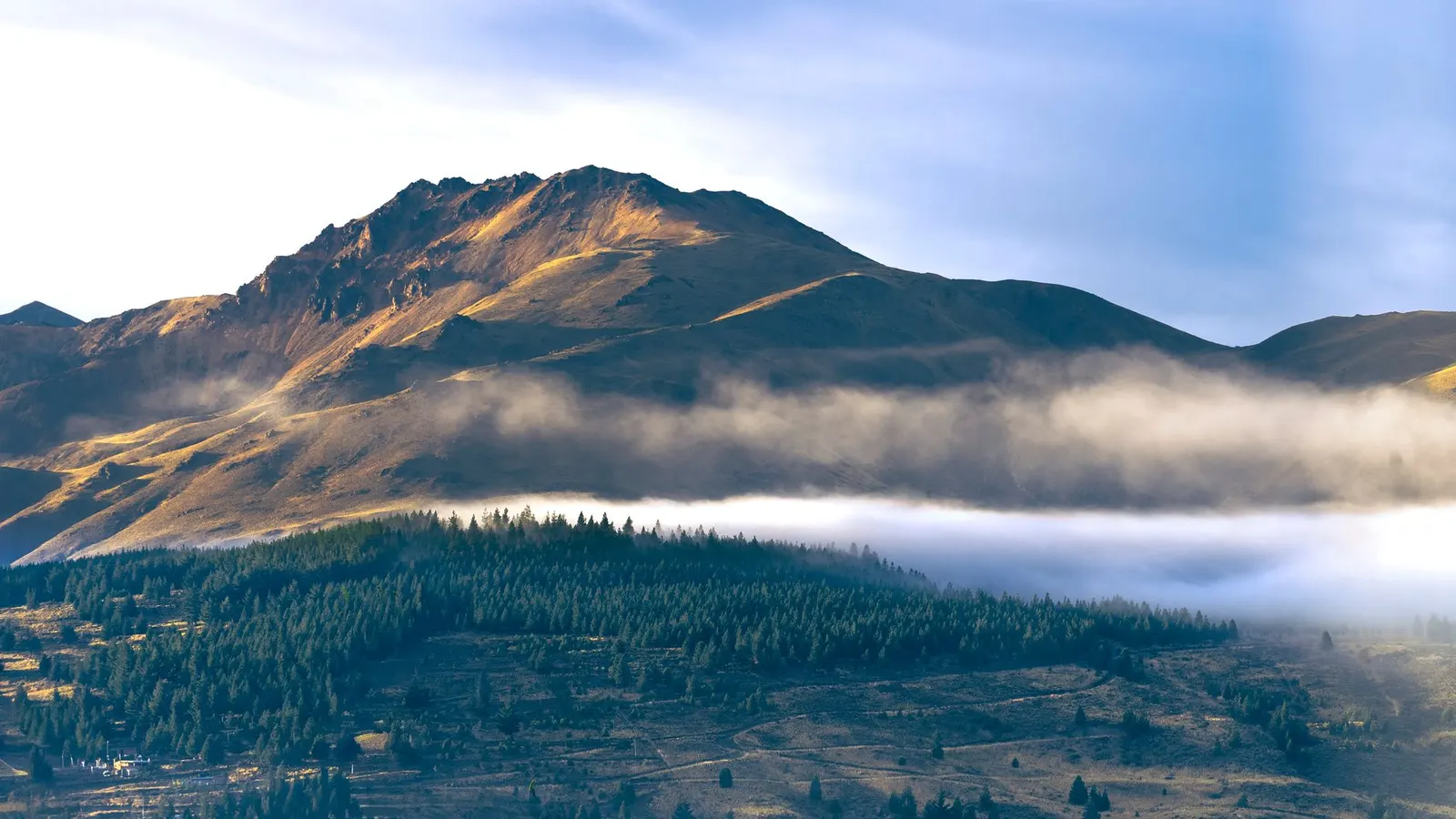
 Mario Amé · Pexels License
Country Guide № 007 / 194 · South America
Argentina
Glaciers, malbec and a capital that argues about everything - 3,700 km of it.
“Glaciers, malbec and a capital that argues about everything - 3,700 km of it.”
Argentina runs 3,700 km from the Tropic of Capricorn to Tierra del Fuego, and it refuses to be summarised. Buenos Aires talks like Europe and eats like nowhere else; the Northwest is Andean and adobe-quiet; Patagonia is wind, ice and some of the finest trekking on the planet. The distances are brutal and the rewards scale with them.
The old bargain-destination reputation is gone - since the peso stabilised, Argentina costs closer to Chile than to Bolivia. What has not changed: the steak is still the best you will eat, the buses still run overnight in full-recline seats, and El Chaltén is still free to hike. Fly the long legs, linger in the places between.
Chapter 01
Highlights
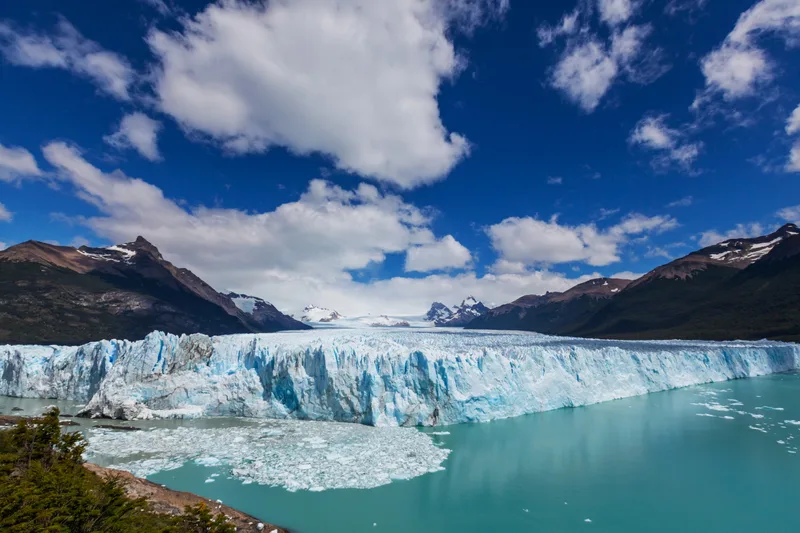
Perito Moreno glacier
A 70-metre wall of blue ice that calves apartment-sized bergs into Lago Argentino while you watch from the boardwalks - one of the few advancing glaciers on Earth.
El Chaltén & Fitz Roy
Argentina's trekking capital: the Laguna de los Tres day hike ends beneath Fitz Roy's granite spire, and every trailhead starts in the village. No park fee, no permits.
Iguazú Falls
275 cataracts on the Brazilian border, and the Argentine side puts you on catwalks directly over the Devil's Throat. Go early, stay for the second circuit when the crowds thin.
Quebrada de Humahuaca
A painted desert canyon in the far Northwest - seven-coloured hills at Purmamarca, pre-Inca ruins, and highland villages where Argentina feels Andean, not European.
Chapter 02
Entry requirements for Argentina
Checking your passport…
up to 90 days · free entry
90 days on arrival
Before you fly
The detail
- Maximum stay
- up to 90 days
- Fee
- free entry
- Passport validity
- Most destinations want validity beyond your stay, and some want six months. Check yours against the return date.
- Onward travel
- Airlines may ask for a return or onward ticket at check-in.
- Health
- No vaccinations required; hepatitis A and tetanus are the standard recommendations, and yellow fever only matters for Iguazú-bound travellers (recommended, not required). Tap water is fine in cities. Public hospitals treat emergencies free of charge, but travel insurance is still non-negotiable - distances to serious care in Patagonia are huge. The sun at altitude in the Northwest is fierce.
- Money
- The peso is stable enough since 2024 that cards are now the norm - foreign cards get the market exchange rate, and contactless works everywhere in cities. Carry some cash for markets, small-town Patagonia and bus-terminal kiosks. The old "blue dollar" premium has effectively vanished; skip the cave money-changers. Prices still drift with inflation, so treat quoted figures as approximate.
No visa and no fee: the reciprocity charge that US, Canadian and Australian passports once paid before boarding was abolished in 2016 and has not returned, whatever older guidance says. The stay is 90 days, extendable once by a further 90 at a Dirección Nacional de Migraciones office for a modest fee, which is a normal counter transaction rather than an exception. Money is the practical matter rather than paperwork: pay for hotel rooms with a foreign card or a foreign transfer, because accommodation paid that way is exempt from the 21 per cent value added tax and the refund is automatic rather than claimed at a desk. A yellow fever certificate is required only if you have come from a country where the disease is present, and it is checked on arrivals from Brazil and Bolivia more than elsewhere. Passport validity of six months is the airline’s rule of thumb rather than Argentina’s, but it is the one applied at check-in.
Check another destination with this passport →
Entry details: Editorial synthesis - Dirección Nacional de Migraciones, Argentine Ministry of Foreign Affairs (2025–2026) · compiled 15 Sept 2026
Who needs a visa for Argentina
12 common passports| Passport | Requirement | Stay | Process |
|---|---|---|---|
| United States | Visa-free | up to 90 days | No process · €0 / $0 |
| United Kingdom | Visa-free | up to 90 days | No process · €0 / $0 |
| Germany | Visa-free | up to 90 days | No process · €0 / $0 |
| India | Visa required | - | No Other passports record yet |
| China | Visa required | - | No Other passports record yet |
| Brazil | Visa-free | up to 90 days | No Other passports record yet |
| Nigeria | Visa required | - | No Other passports record yet |
| Indonesia | Visa required | - | No Other passports record yet |
| Philippines | Visa required | - | No Other passports record yet |
| Vietnam | Visa required | - | No Other passports record yet |
| Egypt | Visa required | - | No Other passports record yet |
| Nepal | Visa required | - | No Other passports record yet |
Holding a passport that is not listed? The picker above answers for any of them. See where your passport takes you. Source: Passport Index, updated 14 Aug 2026.
Chapter 03
When to go
BestOct–Apr.
Peak Patagonia season - book El Chaltén and El Calafate well ahead. Buenos Aires is hot and half-empty.
The band above each month is our editorial verdict - it weighs crowds, prices and access as well as weather. The line is average daily temperature, the bars are monthly rainfall. Select a month for the figures. Climate figures: ERA5 reanalysis via Open-Meteo, 2005–2024 normals.
Chapter 04
What it costs
A day in Argentina
Comfortable · sample day
≈ $86
Line items are real prices we track. The daily budget is an editorial estimate for this level, not their sum.
Where this sits among 244 countries we have costed
Patagonia runs 20–30 % above Buenos Aires prices and spikes hard in the January–February peak, when El Chaltén beds sell out weeks ahead. Ski towns (Bariloche) surge in July. Buenos Aires barely moves seasonally. Post-2024 peso stabilisation ended the ultra-cheap era - budget closer to Chile than to Bolivia, and re-check prices near travel since inflation still drifts.
Updated Aug 2026 · Editorial synthesis - Budget Your Trip, published bus/flight fares, expat cost-of-living guides (2025–2026) · confidence medium
Excludes international flights - they depend on where you fly from.
Chapter 05
Regions to know
5Buenos Aires & the Pampas
Café culture in San Telmo, steak in Palermo, milongas after midnight - plus estancia weekends on the flat green sea of the Pampas.
Patagonia
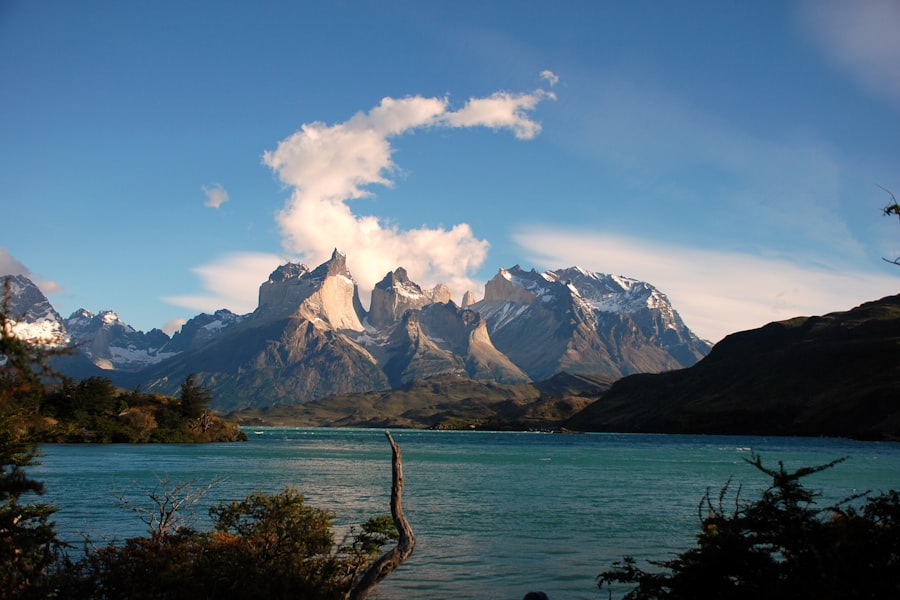
El Chaltén's granite spires, Perito Moreno's ice wall and Ushuaia at the end of the world. November to March, and always windy.
The Northwest
Salta's colonial core, the seven-coloured hills of the Quebrada de Humahuaca and high-altitude vineyards around Cafayate - Andean Argentina.
Mendoza & Cuyo
Malbec country under the highest Andes; bodega lunches, Aconcagua viewpoints and the harvest festival each March.
Iguazú & the Litoral
The falls, the red-earth jungle of Misiones, and the wildlife-packed wetlands of Esteros del Iberá - capybaras guaranteed.
Chapter 06
Practical guide
Getting there
Ezeiza (EZE) has direct flights from Madrid, Rome, Paris, Frankfurt and London; from Central Europe count on one stop via Madrid or Rome, 16–18 hours door to door. Overland arrivals are easy from Chile (multiple Andean passes), Uruguay (Buquebus ferry from Colonia/Montevideo), Bolivia (La Quiaca) and Iguazú from Brazil.
Getting around
Fly the long hops - Aerolíneas Argentinas, JetSmart and Flybondi link Buenos Aires with El Calafate, Ushuaia, Salta and Mendoza from around €90 booked ahead. The famous long-distance buses (cama and cama-suite classes) remain excellent for overnight legs like Buenos Aires–Mendoza. In the capital, load a SUBE card for the subte and buses; taxis and Uber/Cabify are cheap by European standards.
Money & costs
The peso is stable enough since 2024 that cards are now the norm - foreign cards get the market exchange rate, and contactless works everywhere in cities. Carry some cash for markets, small-town Patagonia and bus-terminal kiosks. The old "blue dollar" premium has effectively vanished; skip the cave money-changers. Prices still drift with inflation, so treat quoted figures as approximate.
Safety
Argentina is one of South America's safer countries. In Buenos Aires apply big-city rules: phones out of sight on the street, apps or radio taxis after midnight, extra care around La Boca outside the tourist blocks and at Retiro. Protests (cortes) are frequent and almost always peaceful - walk around them. Patagonia's main hazard is weather, not people; register for remote treks.
Health
No vaccinations required; hepatitis A and tetanus are the standard recommendations, and yellow fever only matters for Iguazú-bound travellers (recommended, not required). Tap water is fine in cities. Public hospitals treat emergencies free of charge, but travel insurance is still non-negotiable - distances to serious care in Patagonia are huge. The sun at altitude in the Northwest is fierce.
SIM & internet
Claro, Personal and Movistar all sell tourist SIMs; an eSIM bought before landing is simpler since registration in-store can be slow. 4G covers every city and most of the tourist circuit; expect dead zones on Patagonian highways and in the Quebrada. Hostel and café wifi is generally good. WhatsApp is how every guesthouse, guide and rental agency communicates.
Chapter 07
Driving
Distances are enormous - Buenos Aires to El Calafate is 2,700 km. Fuel stations on Ruta 40 can be 300+ km apart; fill at every opportunity in Patagonia and mind guanacos at dusk.
Rules change - verify with an official source before you rent.
ExplWorld VerifiedNo verified partners here yet - all 6 country seats are open.
Become ExplWorld Verified →Chapter 08
Itineraries through this country
Chapter 09
From the Journal
Chapter 10
Before you go
ArgentinaChapter 11
Frequently asked questions
Is Argentina safe for travellers?
Broadly yes - violent crime against tourists is rare. The real risk is phone-snatching in Buenos Aires: keep it off café tables, use registered taxis or apps at night, and watch bags at Retiro bus terminal. Patagonia and the Northwest feel as safe as rural Europe.
When is the best time to visit?
October to April overall. Patagonia's trekking window is November–March; Buenos Aires and Mendoza are loveliest in spring (October–November) and autumn (March–April, grape harvest); the Northwest and Iguazú are better in the drier winter months.
How much does a day in Argentina cost?
Around €80 per day mid-range - Argentina is no longer the bargain it was pre-2024. Backpackers manage on €40–45 with dorms and long buses; add roughly €90 per domestic flight, and note Patagonia runs 20–30 % above Buenos Aires prices.