 Igor / stock.adobe.com
Country Guide № 053 / 194 · Africa
Equatorial Guinea
Africa's only Spanish-speaking state - oil wealth, a volcanic island and almost no visitors.
“Africa's only Spanish-speaking state - oil wealth, a volcanic island and almost no visitors.”
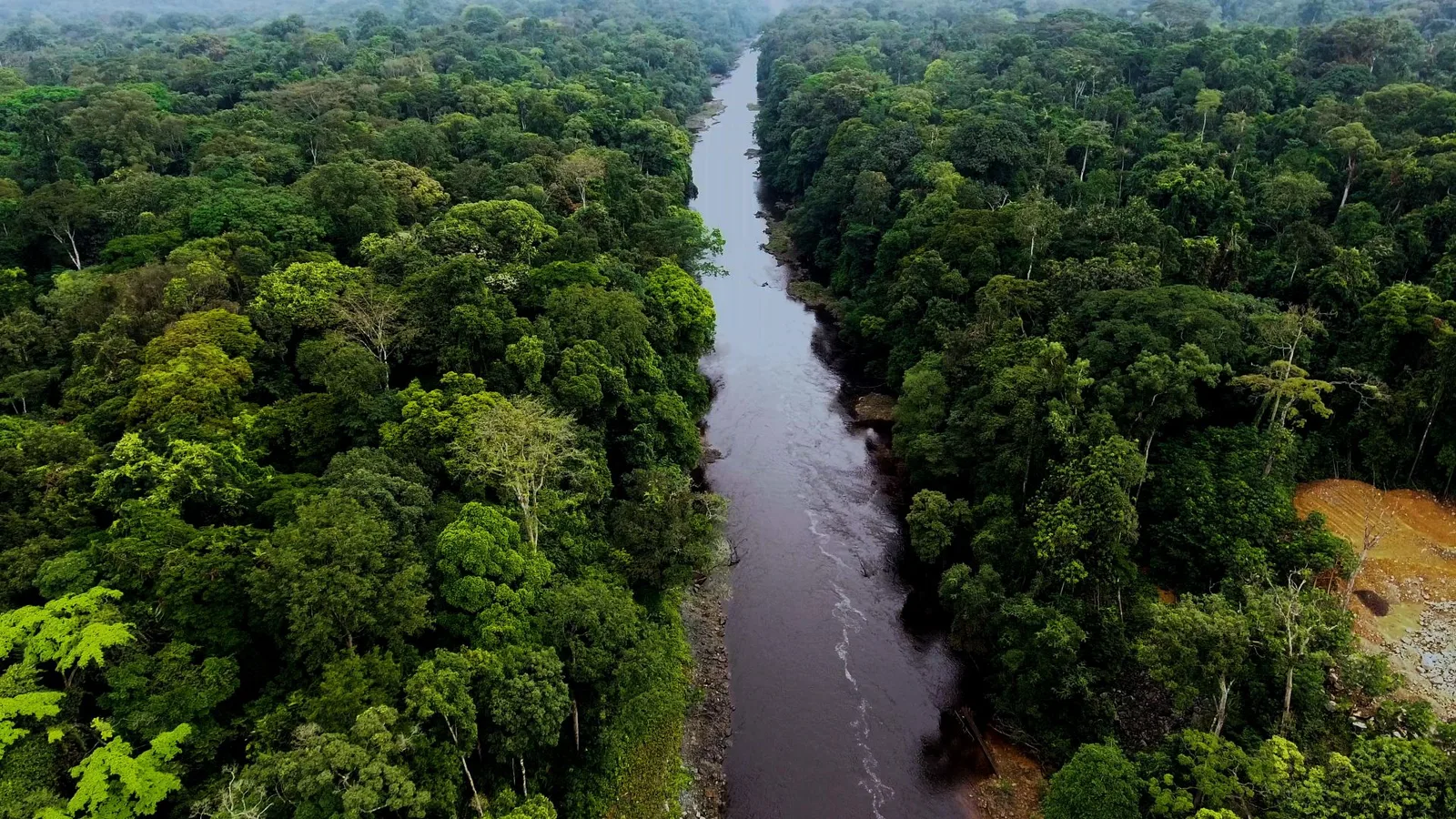
Equatorial Guinea is the only sovereign state in Africa where Spanish is an official language, a legacy of Spanish rather than French or British colonisation. Oil discovered in the 1990s gave it one of the highest GDPs per capita on the continent alongside some of the worst human development indicators, a gap that explains most of what a visitor sees: new motorways with no traffic, and a purpose-built capital at Ciudad de la Paz in the jungle that remains largely empty.
The country splits between Bioko island, where Malabo sits beneath a volcano, and Río Muni on the mainland. Bioko's southern beaches host one of the densest sea turtle nesting concentrations in the Gulf of Guinea, and the Gran Caldera holds drills and seven primate species. Access is genuinely difficult - visas have historically been among Africa's hardest, permits are needed to move around, and photography restrictions are enforced.
Chapter 01
Highlights
Gran Caldera de Luba
A collapsed volcanic caldera in southern Bioko with seven primate species including the drill, reached on a multi-day trek through rainforest with a permit and guides.
Bioko's turtle beaches
The southern beaches at Moraka and Moaba host leatherback, green and olive ridley nesting from November to February in one of the region's densest concentrations.
Malabo
Spanish colonial architecture around the cathedral and the Plaza de la Independencia, the old town of Malabo II and the volcano rising behind the city.
Monte Alén
Mainland rainforest with forest elephants, gorillas and chimpanzees - underdeveloped for visitors but the largest protected area on Río Muni.
Chapter 02
Entry requirements for Equatorial Guinea
Checking your passport…
up to 30 days · €130 / $140 · e-visa
30 days on arrival
Before you fly
The detail
- Maximum stay
- up to 30 days
- Process
- e-visa
- Fee
- €130 / $140
- Processing time
- Processing takes 14–45 days - apply with room to spare.
- Passport validity
- Most destinations want validity beyond your stay, and some want six months. Check yours against the return date.
- Onward travel
- Airlines may ask for a return or onward ticket at check-in.
- Health
- Yellow fever certificate compulsory for entry. Malaria year-round nationwide. Medical facilities are limited despite the country's wealth; evacuation insurance is essential.
- Money
- CFA franc, pegged to the euro. Cash dominates; ATMs in Malabo and Bata are limited. Cards work at the international hotels only. Bring euros.
A United States passport needs an Equatoguinean visa arranged before travel, exactly as a European or British one does. The exemption American citizens held from 2013 was suspended by the Equatoguinean government in April 2023, the United States embassy in Malabo told its citizens so at the time, and older guidance - including earlier versions of this page - that says an American passport enters without a visa is out of date; a traveller who relies on it is refused at check-in or at Malabo. The application is made through the government's electronic visa platform, or at an Equatoguinean mission where the platform does not answer, and the fee has been in the region of a hundred and thirty euros for a single entry of up to thirty days - a figure that has varied by mission and is best treated as what to budget rather than as a schedule. The application is granted against a letter of invitation from a host or sponsor in the country, a confirmed hotel booking, a return ticket and the yellow fever certificate, and processing has run from a fortnight to a month and a half, so begin two or three months out. Arrive with the yellow fever certificate: it is a condition of entry for everybody, checked at Malabo, and it takes ten days after the injection to become valid. What happens after the border matters more here than at most places. Checkpoints on both Bioko and the mainland are constant and the passport is asked for at them; photographing government buildings, the airport, the port, military sites, the presidential palace or anyone in uniform is prohibited and has led to detentions rather than warnings. Parts of southern Bioko and some protected areas need their own permits, arranged locally. Register with your embassy if it has a presence.
Check another destination with this passport →
Entry details: Editorial synthesis - Equatoguinean consular requirements, the government electronic visa platform and the April 2023 suspension of visa-free travel for United States passport holders as announced by the U.S. Embassy in Malabo (2025-2026) · compiled 25 Sept 2026
Who needs a visa for Equatorial Guinea
12 common passports| Passport | Requirement | Stay | Process |
|---|---|---|---|
| United States | e-Visa | - | e-Visa · €130 / $140 · 14–45 d |
| United Kingdom | e-Visa | - | e-Visa · €130 / $140 · 14–45 d |
| Germany | e-Visa | - | e-Visa · €130 / $140 · 14–45 d |
| India | e-Visa | - | e-Visa · €130 / $140 · 14–45 d |
| China | e-Visa | - | e-Visa · €130 / $140 · 14–45 d |
| Brazil | e-Visa | - | e-Visa · €130 / $140 · 14–45 d |
| Nigeria | e-Visa | - | e-Visa · €130 / $140 · 14–45 d |
| Indonesia | e-Visa | - | e-Visa · €130 / $140 · 14–45 d |
| Philippines | e-Visa | - | e-Visa · €130 / $140 · 14–45 d |
| Vietnam | e-Visa | - | e-Visa · €130 / $140 · 14–45 d |
| Egypt | e-Visa | - | e-Visa · €130 / $140 · 14–45 d |
| Nepal | e-Visa | - | e-Visa · €130 / $140 · 14–45 d |
Holding a passport that is not listed? The picker above answers for any of them. See where your passport takes you. Source: Passport Index, updated 14 Aug 2026.
Chapter 03
When to go
BestDec–Feb. AvoidApr–May, Sep–Oct.
Dry season on Bioko; turtle nesting continues.
The band above each month is our editorial verdict - it weighs crowds, prices and access as well as weather. The line is average daily temperature, the bars are monthly rainfall. Select a month for the figures. Climate figures: ERA5 reanalysis via Open-Meteo, 2005–2024 normals.
Chapter 04
What it costs
A day in Equatorial Guinea
Comfortable · sample day
≈ $200
Line items are real prices we track. The daily budget is an editorial estimate for this level, not their sum.
Where this sits among 244 countries we have costed
Hotel demand comes from the energy sector and does not follow a tourist season. Prices are essentially flat year-round.
Updated Aug 2026 · Editorial synthesis - market sampling and operator quotes (2025–2026) · confidence low
Excludes international flights - they depend on where you fly from.
Chapter 05
Regions to know
5Malabo and northern Bioko
The capital, the cathedral, Pico Basilé's volcano road and the Arena Blanca beach.
Southern Bioko
Luba, the Gran Caldera, the turtle beaches at Moraka and Moaba - permit-controlled.
Bata and the coast
The mainland's largest city, its promenade and the beaches north and south.
Río Muni interior
Monte Alén, the Ciudad de la Paz project and the forest towards the Gabonese border.
Annobón
A tiny volcanic island 350 km southwest of São Tomé, with a crater lake and a population of a few thousand. Reaching it requires official permission.
Chapter 06
Practical guide
Getting there
Malabo is served by Iberia, Ethiopian, Royal Air Maroc, Turkish, ASKY and Ceiba Intercontinental. Bata on the mainland has regional flights. Ceiba links the island and the mainland several times daily.
Getting around
Ceiba flies Malabo–Bata. Roads on both Bioko and the mainland are unusually good - oil money built them - but checkpoints are constant. Taxis in Malabo and Bata; almost no organised tourist transport.
Money & costs
CFA franc, pegged to the euro. Cash dominates; ATMs in Malabo and Bata are limited. Cards work at the international hotels only. Bring euros.
Safety
Low ordinary crime by regional standards. The real risks are administrative - checkpoints, photography restrictions and arbitrary detention for perceived infractions. Political discussion in public is unwise. Register with your embassy if it has a presence.
Health
Yellow fever certificate compulsory for entry. Malaria year-round nationwide. Medical facilities are limited despite the country's wealth; evacuation insurance is essential.
SIM & internet
Orange and Muni; SIM registration requires a passport. 4G in Malabo and Bata. Data is expensive and coverage is thin outside the two cities.
Chapter 07
Driving
Roads are among the best in Central Africa and almost empty. The constraint is checkpoints rather than surface - keep documents accessible and do not photograph anything official from the car.
Rules change - verify with an official source before you rent.
ExplWorld VerifiedNo verified partners here yet - all 6 country seats are open.
Become ExplWorld Verified →Chapter 08
Itineraries through this country
Chapter 09
From the Journal
Chapter 10
Before you go
Equatorial GuineaChapter 11
Frequently asked questions
How hard is the visa?
Historically among the hardest in Africa, requiring an invitation and a lengthy consular process. US citizens have been visa-exempt since 2013 - an unusual carve-out linked to oil-sector ties. An e-visa system has been introduced and eased things somewhat for others, but expect paperwork, an invitation letter and weeks of lead time.
What are the photography rules?
Strict and enforced. Photographing government buildings, the presidential palace, airports, ports, bridges, military and police is prohibited, and people have been detained for it. Some visitors obtain a photography permit. When in doubt, do not take the picture.
Can I move around freely?
Not entirely. Checkpoints are frequent on both Bioko and the mainland, and permits are needed to visit southern Bioko and some protected areas. Carry your passport, visa and any permits at all times, and expect to present them repeatedly.