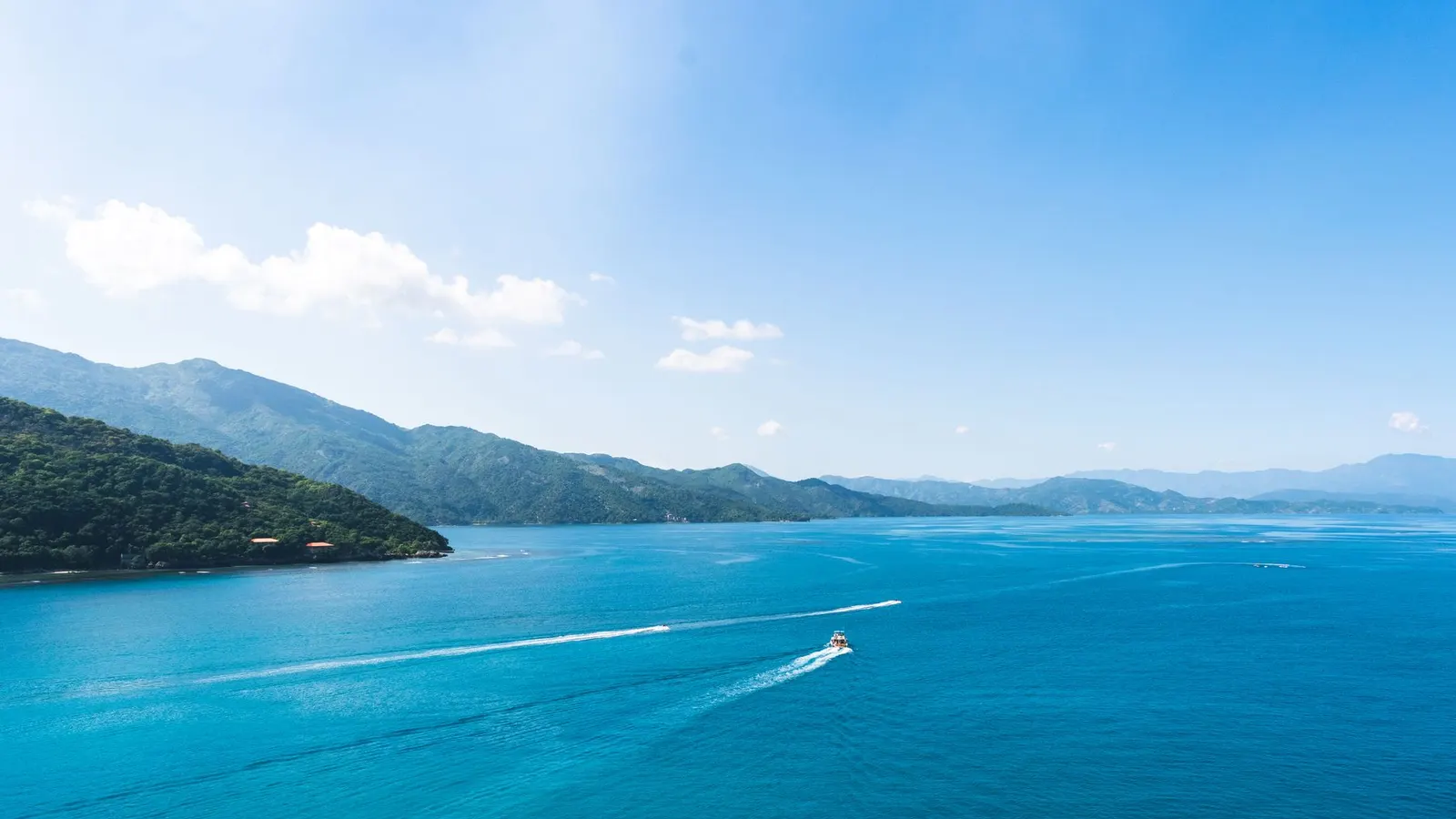
 Kenrick Baksh · Pexels License
Country Guide № 072 / 194 · Caribbean
Haiti
The first Black republic - mountain fortresses, Vodou art and a nation holding on.
Advisory - travel not recommended · checked 26 Sept 2026
Most foreign ministries advise against ALL travel to Haiti due to gang violence, kidnapping risk and the security situation in Port-au-Prince. Standard scores are suspended while this alert is active. Check your own ministry before you book - it is what your insurance follows.
Official advisory →Every advisory in force →“The first Black republic - mountain fortresses, Vodou art and a nation holding on.”
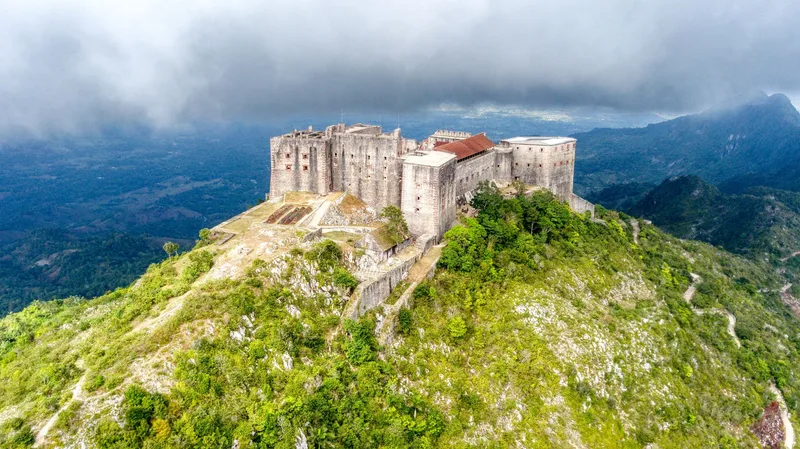
Haiti earned its place in world history before most modern nations existed: the only successful slave revolution ever, independence won from Napoleon in 1804, and the Citadelle Laferrière - a mountain-top fortress of 20,000 workers and 365 cannons - built to defend it. Its painting, ironwork and music are among the most distinctive in the Americas, and Jacmel and Cap-Haïtien preserve some of the Caribbean’s finest historic architecture.
This page exists as reference, not encouragement. Since 2021 armed gangs have taken control of most of Port-au-Prince, and virtually every foreign ministry - including all EU states and the US - advises against ALL travel to Haiti, citing kidnapping, armed violence and the near-collapse of state services. The north around Cap-Haïtien has stayed comparatively calmer, but the advisories cover the whole country. We keep this guide factual and current so that the day Haiti can welcome travellers again, the knowledge is ready.
Chapter 01
Highlights
Citadelle Laferrière
The largest fortress in the Americas, built 900 m above the northern plain after independence - a UNESCO site reached by horse or on foot from Milot, with the ruined Sans-Souci Palace below.
Jacmel
The south-coast arts town: faded French-colonial ironwork balconies, papier-mâché mask workshops and a pre-Lenten carnival regarded as the country’s most creative.
Bassin-Bleu
Three turquoise pools linked by waterfalls in the hills behind Jacmel - a short ride and a guided scramble from town, and one of the Caribbean’s loveliest swimming holes.
Haitian art
From the naive painting tradition that stunned the surrealists to the recycled-steel drum sculpture of Croix-des-Bouquets - Haiti’s visual culture outweighs its size many times over.
Chapter 02
Entry requirements for Haiti
Advisory - travel not recommended · checked 26 Sept 2026
Most foreign ministries advise against ALL travel to Haiti due to gang violence, kidnapping risk and the security situation in Port-au-Prince. Standard scores are suspended while this alert is active. Check your own ministry before you book - it is what your insurance follows.
Official advisory →Every advisory in force →Checking your passport…
up to 90 days · €9 / $10
90 days on arrival
Official portal only
Paid look-alike sites charge for a process that is free or cheap on the government portal. Use the link below and nothing else.
delidoc.gouv.ht/ikat/en →Before you fly
The detail
- Maximum stay
- up to 90 days
- Fee
- €9 / $10
- Passport validity
- Most destinations want validity beyond your stay, and some want six months. Check yours against the return date.
- Onward travel
- Airlines may ask for a return or onward ticket at check-in.
- Health
- Medical care is severely limited - serious cases require evacuation, so insurance with medevac cover is essential (and check it is valid despite the advisories). Cholera returned in 2022; drink only bottled or treated water. Malaria and dengue are present at low elevations; prophylaxis is worth discussing for any rural stay. Bring every medication you might need.
- Money
- The gourde (HTG) is a cash currency - bring US dollars to change, and small bills. A confusing local quirk: prices are often quoted in “Haitian dollars”, a phantom unit worth 5 gourdes (a “100-dollar” price tag means 500 HTG). Cards work only at top-end hotels; ATMs are scarce and unreliable. Carry what you need, split between pockets.
Haiti asks a United States passport for no visa and admits visitors for three months, but it is the only country in this group where money changes hands at the border: a tourist fee of about ten dollars is collected on arrival from foreign visitors, in cash, because the counter does not take cards. Two things have changed and both are recent. The immigration service replaced the paper card with an electronic entry and exit form, iKat, which every traveller must complete before arrival - at least 72 hours ahead - and which returns a document with a QR code to show at the border; and Cap-Haïtien has become the working gateway while Port-au-Prince's airport has closed and reopened repeatedly. It is free on the government address given here and on no other: the sites that outrank it in search charge twenty to a hundred dollars to type your answers into the same boxes. At the time of writing every major foreign ministry advises against all travel to Haiti, and that advisory sits above these rules on this page: it changes what anyone should recommend, not what the border asks for. Confirm with the airline days before departure rather than weeks, because the route and the open entry points both move. Six months of passport validity beyond your return is the standard the airlines apply whatever the island itself requires.
Check another destination with this passport →
Entry details: Editorial synthesis - Haitian Department of Immigration and Emigration electronic entry and exit form (iKat), United States Embassy in Haiti travel messages, foreign ministry advisories (2026) · compiled 18 Sept 2026
Who needs a visa for Haiti
12 common passports| Passport | Requirement | Stay | Process |
|---|---|---|---|
| United States | Visa-free | up to 90 days | No process · €9 / $10 |
| United Kingdom | Visa-free | up to 90 days | No process · €9 / $10 |
| Germany | Visa-free | up to 90 days | No process · €9 / $10 |
| India | Visa-free | up to 90 days | No process · €9 / $10 |
| China | Visa-free | up to 90 days | No process · €9 / $10 |
| Brazil | Visa-free | up to 90 days | No process · €9 / $10 |
| Nigeria | Visa-free | up to 90 days | No process · €9 / $10 |
| Indonesia | Visa-free | up to 90 days | No process · €9 / $10 |
| Philippines | Visa-free | up to 90 days | No process · €9 / $10 |
| Vietnam | Visa-free | up to 90 days | No process · €9 / $10 |
| Egypt | Visa-free | up to 90 days | No process · €9 / $10 |
| Nepal | Visa-free | up to 90 days | No process · €9 / $10 |
Holding a passport that is not listed? The picker above answers for any of them. See where your passport takes you. Source: Passport Index, updated 14 Aug 2026.
Chapter 03
When to go
BestNov–Mar. AvoidSep–Oct.
Dry, warm and clear - climatically the best of the year.
The band above each month is our editorial verdict - it weighs crowds, prices and access as well as weather. The line is average daily temperature, the bars are monthly rainfall. Select a month for the figures. Climate figures: ERA5 reanalysis via Open-Meteo, 2005–2024 normals.
Chapter 04
What it costs
A day in Haiti
Comfortable · sample day
≈ $97
Line items are real prices we track. The daily budget is an editorial estimate for this level, not their sum.
Where this sits among 244 countries we have costed
Season barely moves prices - security does. Street costs are among the lowest in the Caribbean, but the vetted hotels, drivers and domestic flights that foreign visitors realistically rely on push daily spend toward Eastern-Caribbean levels regardless of month.
Updated Aug 2026 · Editorial synthesis - aid-worker cost reports, Numbeo Port-au-Prince, regional cost guides (2025–2026) · confidence low
Excludes international flights - they depend on where you fly from.
Chapter 05
Regions to know
4Cap-Haïtien & the north
The old colonial capital and the country’s calmer half: gingerbread architecture, the beaches of the Labadie coast, and the Citadelle Laferrière above Milot - Haiti’s single greatest sight.
Port-au-Prince
The sprawling capital between mountains and bay - the Champ de Mars, the ruined cathedral and most of the art trade. Largely under gang control since 2021; effectively off-limits.
Jacmel & the south coast
Arts-town Jacmel, the Bassin-Bleu waterfalls and the south’s black-sand coves, reached over a spectacular mountain road from the capital.
Île-à-Vache
A quiet island off the south-west coast - fishing villages, white-sand crescents and no cars, a short boat ride from Les Cayes.
Chapter 06
Practical guide
Getting there
Port-au-Prince’s Toussaint Louverture airport has closed repeatedly during the security crisis; Cap-Haïtien (CAP) in the north has become the practical gateway, with flights from Florida and regional hops via Santo Domingo or Providenciales (Sunrise Airways and partners). Overland crossings from the Dominican Republic open and close without notice - check the current status of both the border and your airline days before travelling, not weeks.
Getting around
The brightly painted tap-tap pickups and buses are Haiti’s transit system, but under current conditions foreign visitors almost universally move with drivers arranged through hotels or hosts. Sunrise Airways flies domestic hops (Port-au-Prince–Cap-Haïtien) that avoid road travel entirely. Roads outside the main corridors are rough; journey times are long and unpredictable.
Money & costs
The gourde (HTG) is a cash currency - bring US dollars to change, and small bills. A confusing local quirk: prices are often quoted in “Haitian dollars”, a phantom unit worth 5 gourdes (a “100-dollar” price tag means 500 HTG). Cards work only at top-end hotels; ATMs are scarce and unreliable. Carry what you need, split between pockets.
Safety
Haiti is under do-not-travel advisories from virtually every foreign ministry: gang control of most of the capital, kidnapping risk that has included foreigners, roadblocks and armed clashes. If you must travel (aid work, family), go with professional security arrangements, keep movements unpredictable, and register with your embassy. Do not move after dark, and do not rely on police response.
Health
Medical care is severely limited - serious cases require evacuation, so insurance with medevac cover is essential (and check it is valid despite the advisories). Cholera returned in 2022; drink only bottled or treated water. Malaria and dengue are present at low elevations; prophylaxis is worth discussing for any rural stay. Bring every medication you might need.
SIM & internet
Digicel and Natcom cover the towns with usable 3G/4G; a local SIM is a few euros with cheap data, passport required. Coverage fades fast in the mountains and power cuts take towers down - a fully charged power bank is standard kit. Hotel generators keep wifi alive in the evenings.
Chapter 07
Driving
Self-drive is NOT advisable under the current security situation: roadblocks, carjacking and fuel shortages are documented risks, and foreign ministries specifically warn against road travel. Limits above are nominal and rarely posted or enforced.
Rules change - verify with an official source before you rent.
ExplWorld VerifiedNo verified partners here yet - all 6 country seats are open.
Become ExplWorld Verified →Chapter 08
Itineraries through this country
Chapter 09
From the Journal
Chapter 10
Before you go
HaitiChapter 11
Frequently asked questions
Is Haiti safe to visit right now?
No. Virtually every foreign ministry - including all EU member states and the US - currently advises against ALL travel to Haiti. Armed gangs control most of Port-au-Prince, kidnapping for ransom has affected foreigners as well as Haitians, and the capital’s airport has closed repeatedly. The north around Cap-Haïtien is calmer, but the advisories apply countrywide and travel insurance is generally void under them. Check your own government’s advisory before considering any trip.
When is the best time to visit, climate-wise?
December to March is dry and pleasantly warm countrywide. Rains come in April–June and again August–October, and Haiti sits squarely in the hurricane belt - September and October carry the highest storm risk. None of this outweighs the security advisories at present.
How much does a day in Haiti cost?
Budget around €90 (≈ $97) a day - but treat the number with caution. Street food and local transport are very cheap; what dominates a visitor’s budget is security: vetted hotels with generators run €80–120 a night and most foreign visitors move with arranged drivers. Our cost data for Haiti is low-confidence by design.