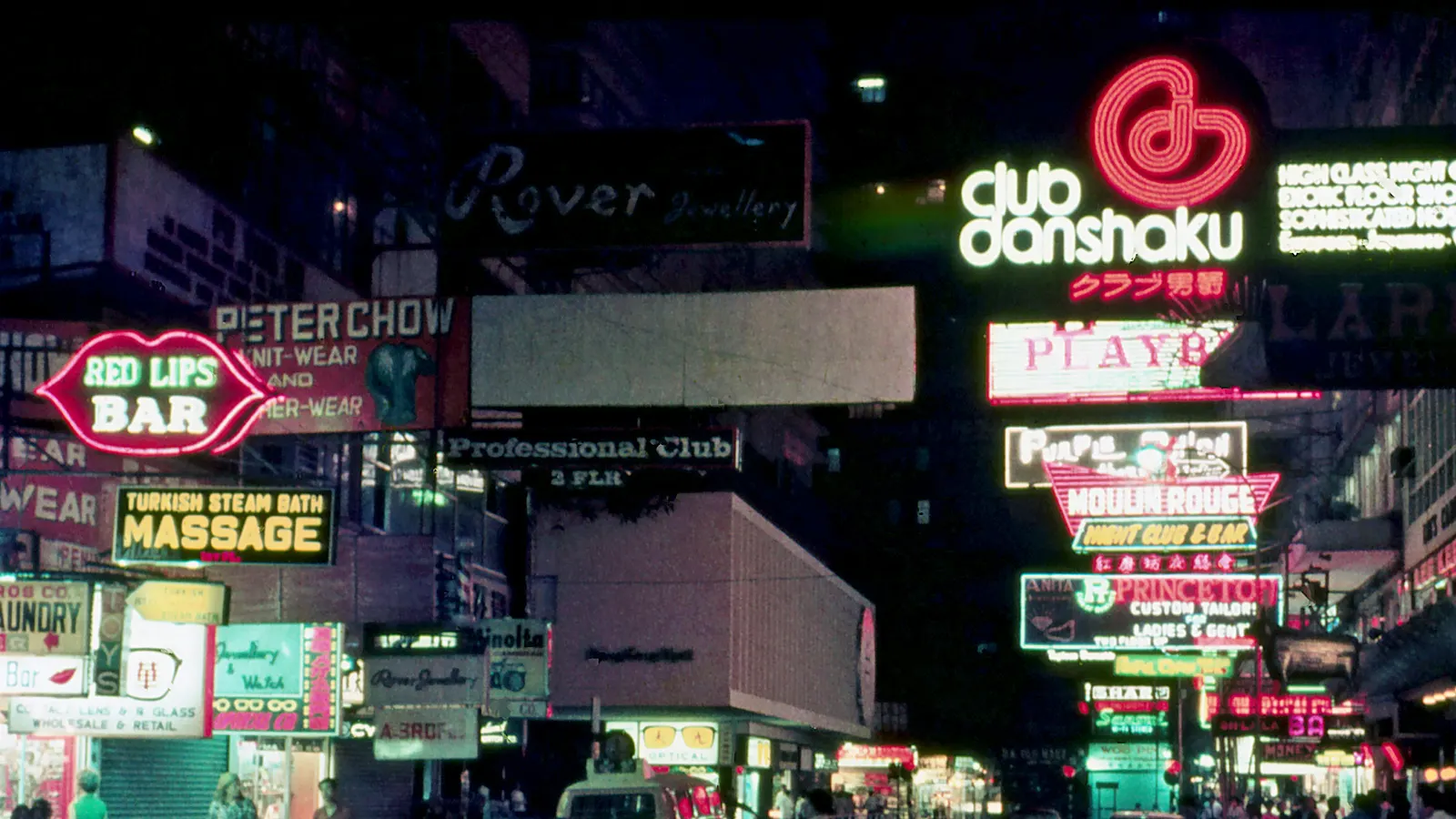
 wilford peloquin · CC BY 2.0
Hong Kong
Seven million people, and three quarters of the territory is countryside.
“Seven million people, and three quarters of the territory is countryside.”
Hong Kong's reputation is skyline and shopping, and the statistic that undoes it is this: about three quarters of the territory is undeveloped, and forty per cent is country park. You can be on a ridge trail above the South China Sea forty minutes after leaving Central by metro, and on an empty beach on Lamma or Sai Kung not much later.
The city itself remains one of the great urban experiences - the tram up to the Peak, the Star Ferry across the harbour, dai pai dong street kitchens and one of the densest concentrations of good food anywhere. It has also changed politically since 2020 in ways that are visible in the press, in what people will say aloud, and in the national security legislation now in force. Visitors are largely unaffected in practice; that does not make the change invisible.
Chapter 01
Highlights
Victoria Peak and the harbour
The tram up to the Peak for the classic view, and the Star Ferry across the harbour for two euros - still one of the best value journeys in any city.
Dragon's Back and Sai Kung
A ridge trail above the sea reachable by bus from Central, and the beaches and volcanic geopark of Sai Kung further east. The half of Hong Kong most visitors miss.
Dim sum and dai pai dong
Trolley-service dim sum in Sham Shui Po, roast goose in Wan Chai, and open-air street kitchens that are slowly disappearing under licensing rules.
Lantau and the outlying islands
The Big Buddha and the Ngong Ping cable car, the stilt village of Tai O, and the car-free islands of Lamma, Cheung Chau and Peng Chau by ferry.
Chapter 02
Entry requirements for Hong Kong
Checking your passport…
up to 90 days · free entry
90 days on arrival
Before you fly
The detail
- Maximum stay
- up to 90 days
- Fee
- free entry
- Passport validity
- Most destinations want validity beyond your stay, and some want six months. Check yours against the return date.
- Onward travel
- Airlines may ask for a return or onward ticket at check-in.
- Health
- No vaccinations required. Healthcare is excellent; public emergency care is available to visitors at a fee and private care is expensive, so insurance matters. Tap water meets drinking standards and many residents still filter it. Summer heat and humidity are the most likely medical issue. Air quality varies with wind direction and can be poor.
- Money
- Contactless and Octopus everywhere. Cards work almost universally; carry a little cash for dai pai dong, market stalls and older restaurants. ATMs are everywhere and accept foreign cards. The Hong Kong dollar is pegged to the US dollar. Tipping is not customary; restaurants add a 10 % service charge.
Hong Kong runs its own immigration control, separate from mainland China, and admits United States passports visa-free for 90 days. Nothing is applied for in advance; the passport should be valid at least a month beyond the intended departure, and an onward ticket and evidence of funds are both fair questions at the counter. The separation is the thing that catches visitors rather than the paperwork: entering Hong Kong does not admit you to the mainland, which needs its own visa and its own clearance - including at the West Kowloon high-speed rail terminus, where mainland immigration sits inside a Hong Kong building, and at the Shenzhen Bay and Lok Ma Chau land crossings. A visitor may not work, paid or unpaid, and extensions of stay are granted at the Immigration Department’s discretion rather than as a matter of course. Politically, Hong Kong is not the city older guidebooks describe: the national security legislation in force since 2020 has substantially narrowed what may be said, carried or posted, and several governments have rewritten their travel advice around it - worth reading before you fly rather than after.
Check another destination with this passport →
Entry details: Editorial synthesis - Hong Kong Immigration Department visa-free list, foreign-ministry travel advisories (2025–2026) · compiled 17 Sept 2026
Who needs a visa for Hong Kong
12 common passports| Passport | Requirement | Stay | Process |
|---|---|---|---|
| United States | Visa-free | up to 90 days | No process · €0 / $0 |
| United Kingdom | Visa-free | up to 180 days | No process · €0 / $0 |
| Germany | Visa-free | up to 90 days | No process · €0 / $0 |
| India | e-Visa | - | No Other passports record yet |
| China | Visa required | - | No Other passports record yet |
| Brazil | Visa-free | up to 90 days | No Other passports record yet |
| Nigeria | e-Visa | - | No Other passports record yet |
| Indonesia | Visa-free | up to 30 days | No Other passports record yet |
| Philippines | Visa-free | up to 14 days | No Other passports record yet |
| Vietnam | e-Visa | - | No Other passports record yet |
| Egypt | Visa-free | up to 90 days | No Other passports record yet |
| Nepal | e-Visa | - | No Other passports record yet |
Holding a passport that is not listed? The picker above answers for any of them. See where your passport takes you. Source: Passport Index, updated 14 Aug 2026.
Chapter 03
When to go
BestOct–Dec. AvoidMay–Aug.
The best month - dry, warm, clear and comfortable.
The band above each month is our editorial verdict - it weighs crowds, prices and access as well as weather. The line is average daily temperature, the bars are monthly rainfall. Select a month for the figures. Climate figures: ERA5 reanalysis via Open-Meteo, 2005–2024 normals.
Chapter 04
What it costs
A day in Hong Kong
Comfortable · sample day
≈ $119
Line items are real prices we track. The daily budget is an editorial estimate for this level, not their sum.
Where this sits among 244 countries we have costed
Hotel rates are driven by the trade-fair calendar more than by weather - major conventions can double a room rate on a random Tuesday in a shoulder month. Lunar New Year and the autumn peak are the predictable spikes. Transport and food are flat all year.
Updated Aug 2026 · Editorial synthesis - MTR published fares, Hong Kong Tourism Board, hotel rate sampling (2025–2026) · confidence high
Excludes international flights - they depend on where you fly from.
Chapter 05
Regions to know
5Hong Kong Island
Central and the Peak, the trams, Wan Chai and Causeway Bay, and the surf and sand at Shek O on the far side.
Kowloon
The harbour promenade, Temple Street night market, Sham Shui Po's food and the Chungking Mansions.
The New Territories
Walled villages, monasteries, hiking trails and the wetland reserve at Mai Po on the mainland border.
Lantau & the islands
The Big Buddha, Tai O's stilt houses, and the car-free ferries to Lamma, Cheung Chau and Peng Chau.
Sai Kung & the geopark
Hexagonal volcanic columns, empty beaches and the best coastal hiking in the territory.
Chapter 06
Practical guide
Getting there
Hong Kong International (HKG) is a major hub with direct flights from most European capitals in 12–13 hours. The Airport Express reaches Central in 24 minutes. High-speed rail from West Kowloon connects to mainland Chinese cities, with mainland immigration handled in the Hong Kong station. Ferries link Macau and several mainland ports.
Getting around
The MTR is one of the world's best metro systems and reaches almost everywhere. Buy an Octopus card, or tap a contactless foreign card, and it also works on buses, trams, ferries and in convenience stores. The Star Ferry and the ding ding trams are transport and sightseeing at once. Taxis are metered, cheap and colour-coded by region. Nothing here needs a car.
Money & costs
Contactless and Octopus everywhere. Cards work almost universally; carry a little cash for dai pai dong, market stalls and older restaurants. ATMs are everywhere and accept foreign cards. The Hong Kong dollar is pegged to the US dollar. Tipping is not customary; restaurants add a 10 % service charge.
Safety
One of the safest large cities in the world, with very low violent crime and comfortable solo night travel. The practical hazards are typhoons between May and November - when signal 8 goes up the city genuinely shuts down - and heat and humidity in summer. Hiking trails are well marked but people get into trouble on them in the heat every year. Be conscious of the political environment around photography of police and protests.
Health
No vaccinations required. Healthcare is excellent; public emergency care is available to visitors at a fee and private care is expensive, so insurance matters. Tap water meets drinking standards and many residents still filter it. Summer heat and humidity are the most likely medical issue. Air quality varies with wind direction and can be poor.
SIM & internet
Tourist SIMs and eSIMs are cheap and instant. 5G coverage is complete, including in the MTR tunnels. Free public wifi is widespread. Unlike the mainland, the internet is not filtered in the way the Great Firewall filters - though the legal environment around online speech has changed.
Chapter 07
Driving
Do not rent a car. Parking is scarce and expensive, the road network is complex, and the MTR plus taxis go everywhere faster. The only reason to drive is a trip into the mainland, which needs its own permits.
Rules change - verify with an official source before you rent.
ExplWorld VerifiedNo verified partners here yet - all 6 country seats are open.
Become ExplWorld Verified →Chapter 08
Before you go
Hong KongChapter 09
Frequently asked questions
Is Hong Kong a separate entry from mainland China?
Yes. Hong Kong runs its own immigration, currency and legal system, and entering it does not admit you to the mainland - you clear immigration again at Lo Wu or Shenzhen Bay. Most Western passports get 90 days visa-free in Hong Kong; the mainland is governed by its own separate rules.
How expensive is it?
Accommodation is the problem: this is one of the most expensive hotel markets in the world and a mid-range room runs €130 upward. Everything else is manageable - the metro is cheap, ferries are cheap, and a bowl of noodles or a dim sum lunch costs less than in most European capitals. Budget €110 a day and expect the room to be most of it.
Should I be aware of anything politically?
The national security law introduced in 2020 and the local legislation that followed have significantly narrowed political expression. In practice this rarely touches visitors, but it is worth knowing that some material is sensitive, that photographing police operations can attract attention, and that several countries have updated their travel advice accordingly. Check your own ministry's current guidance.