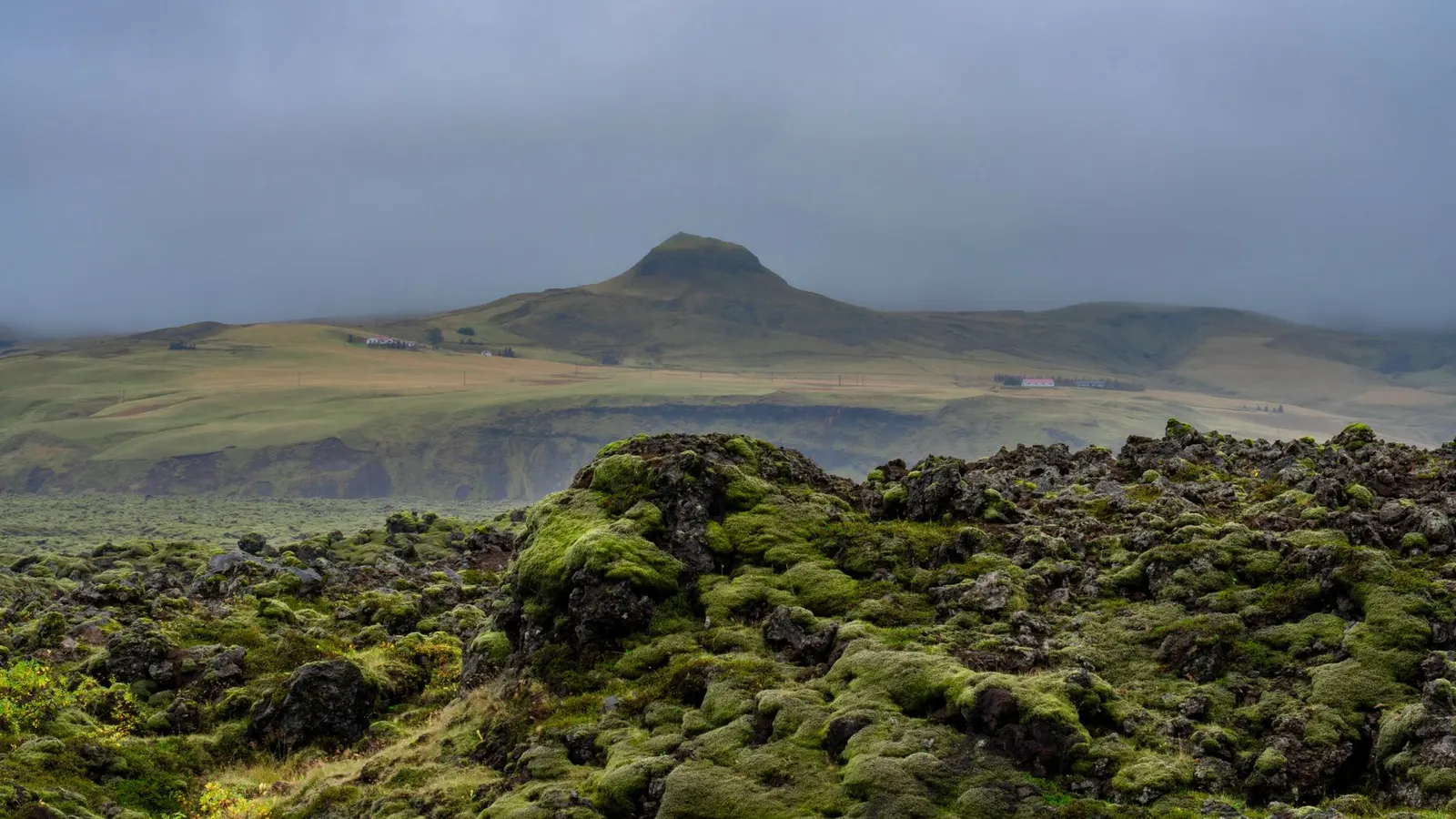
 Susanne Jutzeler, suju-foto · Pexels License
Country Guide № 075 / 194 · Europe
Iceland
An active volcanic island in the North Atlantic, and priced like one.
“An active volcanic island in the North Atlantic, and priced like one.”
Iceland sits on the Mid-Atlantic Ridge, which is why it has thirty active volcanic systems, geothermal water piped into every town, and a landscape that looks unfinished. The Reykjanes peninsula has been in a new eruptive cycle since 2021 with repeated fissure eruptions near Grindavík - spectacular from a safe distance, disruptive up close, and a reminder that this is a working geological system rather than scenery.
The visitor economy grew faster than almost anywhere in the last fifteen years, and the prices reflect it: this is among the most expensive countries in the world for food, fuel and accommodation. The trade is a country where a two-week ring-road circuit takes you past glaciers, fjords, puffin colonies and lava fields without a single dull hour. Go slowly, cook some of your own food, and do not try to see it all in five days.
Chapter 01
Highlights
The ring road
1,332 kilometres around the island past glaciers, fjords and lava fields. Ten days minimum, fourteen to do it properly, and much of the best of it is on the eastern and northern thirds nobody reaches.
Jökulsárlón and Diamond Beach
A glacial lagoon of calving icebergs draining into the Atlantic, with the ice washing back onto black sand across the road. The most reliably astonishing stop in the country.
The Westfjords
The remote northwest - Dynjandi waterfall, the Látrabjarg bird cliffs with puffins at arm's length, and roads that keep almost everyone away. Summer only.
Geothermal bathing
The Blue Lagoon is the famous one and the most commercial; Mývatn Nature Baths, the Secret Lagoon and the free municipal pools in every town are better value and more Icelandic.
Chapter 02
Entry requirements for Iceland
Checking your passport…
up to 90 days · free entry
90 days on arrival
Before you fly
The detail
- Maximum stay
- up to 90 days
- Fee
- free entry
- Passport validity
- Most destinations want validity beyond your stay, and some want six months. Check yours against the return date.
- Onward travel
- Airlines may ask for a return or onward ticket at check-in.
- Health
- No vaccinations required. Healthcare is excellent; EHIC/GHIC covers EU and UK visitors. Facilities in the remote east and Westfjords are limited and evacuation is by air. Tap water is among the best in the world; hot water smells of sulphur and is harmless. Hypothermia and exposure are the realistic risks, in summer as well as winter.
- Money
- Effectively cashless - cards work everywhere including remote petrol pumps, and many places no longer handle cash at all. Note that unstaffed fuel stations require a card with a PIN, which catches out visitors with signature-only cards. Tipping is not practised. Supermarket shopping is the single biggest saving available.
Iceland is in Schengen but not in the European Union, and for entry purposes the first half is the half that matters: a US passport needs no visa and gets 90 days in any rolling 180, drawn from the same allowance as France or Germany rather than from a separate Icelandic one. A stopover on the way to or from mainland Europe therefore costs days twice over if you treat it as a free extra, which is the commonest misreading of a Reykjavík layover. Keflavík is an external Schengen border, so this is where the Entry/Exit System takes a photograph and fingerprints - it has replaced the stamp since 10 April 2026 and keeps the count automatically. Your passport must be less than ten years old and valid three months beyond your intended departure from the area. ETIAS has been announced for visa-exempt visitors and was not required at the time of writing; check when you book. Because Iceland sits outside the EU customs union the allowances at the airport are genuinely tight and genuinely enforced, particularly on alcohol, and the duty-free shop in the arrivals hall exists for that reason. The rule that catches visitors is agricultural: used riding clothing and fishing tackle must be disinfected and certified before it comes in, to protect livestock that have no resistance to what it might carry, and waders and boots are confiscated at the desk from anglers who assumed it was a formality.
Check another destination with this passport →
Entry details: Editorial synthesis - Schengen Borders Code, Icelandic Directorate of Immigration, Iceland Customs and MAST animal-health rules, EU Entry/Exit System rollout (2025–2026) · compiled 16 Sept 2026
Who needs a visa for Iceland
12 common passports| Passport | Requirement | Stay | Process |
|---|---|---|---|
| United States | Visa-free | up to 90 days | No process · €0 / $0 |
| United Kingdom | Visa-free | up to 90 days | No process · €0 / $0 |
| Germany | Visa-free | - | No process · €0 / $0 |
| India | Visa required | - | No Other passports record yet |
| China | Visa required | - | No Other passports record yet |
| Brazil | Visa-free | up to 90 days | No Other passports record yet |
| Nigeria | Visa required | - | No Other passports record yet |
| Indonesia | Visa required | - | No Other passports record yet |
| Philippines | Visa required | - | No Other passports record yet |
| Vietnam | Visa required | - | No Other passports record yet |
| Egypt | Visa required | - | No Other passports record yet |
| Nepal | Visa required | - | No Other passports record yet |
Holding a passport that is not listed? The picker above answers for any of them. See where your passport takes you. Source: Passport Index, updated 14 Aug 2026.
Chapter 03
When to go
BestMay–Sep. AvoidNovember.
Long days, puffins arriving, and before the summer crowds.
The band above each month is our editorial verdict - it weighs crowds, prices and access as well as weather. The line is average daily temperature, the bars are monthly rainfall. Select a month for the figures. Climate figures: ERA5 reanalysis via Open-Meteo, 2005–2024 normals.
Chapter 04
What it costs
A day in Iceland
Comfortable · sample day
≈ $189
Line items are real prices we track. The daily budget is an editorial estimate for this level, not their sum.
Where this sits among 244 countries we have costed
Car hire and accommodation both roughly double between the winter low and July, and the highland routes only exist for about ten weeks. February and March hold their prices because of aurora demand. The single largest saving available in Iceland is not seasonal at all - it is cooking your own food, which cuts the daily figure by a third.
Updated Aug 2026 · Editorial synthesis - Icelandic rental and accommodation sampling, Statistics Iceland price data, fuel prices (2025–2026) · confidence high
Excludes international flights - they depend on where you fly from.
Chapter 05
Regions to know
5Reykjavík & Reykjanes
The capital, the Blue Lagoon and the peninsula that has been erupting since 2021.
The south coast
Waterfalls at Seljalandsfoss and Skógafoss, the black beach at Reynisfjara, Skaftafell and Jökulsárlón.
The east fjords
Steep-sided fjords, reindeer, tiny fishing villages and the ferry port at Seyðisfjörður.
The north
Akureyri, Mývatn's geothermal fields, Dettifoss and the whale watching at Húsavík.
The Westfjords & highlands
Dynjandi, the Látrabjarg bird cliffs, and the interior F-road country at Landmannalaugar - all summer-only.
Chapter 06
Practical guide
Getting there
Keflavík (KEF) is the only international airport of consequence, 50 minutes from Reykjavík, with dense connections to Europe and North America - Iceland's position makes it a common stopover on transatlantic routes, and free multi-day stopovers are marketed by the national carriers. A ferry runs from Denmark via the Faroes to Seyðisfjörður in the east.
Getting around
A car, essentially. The ring road is paved the whole way; the interior F-roads are 4×4-only, unbridged rivers included, and open roughly July to early September. Buses connect the main towns in summer and thin out drastically in winter. Domestic flights link Reykjavík with Akureyri, Egilsstaðir and the Westfjords. Hitching is common in summer and safe by local standards.
Money & costs
Effectively cashless - cards work everywhere including remote petrol pumps, and many places no longer handle cash at all. Note that unstaffed fuel stations require a card with a PIN, which catches out visitors with signature-only cards. Tipping is not practised. Supermarket shopping is the single biggest saving available.
Safety
Very low crime; the dangers here are entirely environmental and they are real. Weather changes violently - wind can rip car doors off their hinges, which is an excluded item on most rental insurance. Rip currents at Reynisfjara black beach have killed several visitors who stood too close to the water. Do not drive on F-roads without a suitable vehicle, do not walk on glaciers without a guide, and check road.is and vedur.is daily.
Health
No vaccinations required. Healthcare is excellent; EHIC/GHIC covers EU and UK visitors. Facilities in the remote east and Westfjords are limited and evacuation is by air. Tap water is among the best in the world; hot water smells of sulphur and is harmless. Hypothermia and exposure are the realistic risks, in summer as well as winter.
SIM & internet
Iceland is in the EEA, so EU roaming applies. Coverage is good along the ring road and in towns and absent in the interior. Wifi is standard in accommodation. Download offline maps before heading into the highlands.
Chapter 07
Driving
Off-road driving is illegal and carries heavy fines - the moss takes decades to recover. Rental insurance in Iceland has specific exclusions worth reading: sand and ash damage, water crossings, and wind damage to doors are all commonly excluded, and all three happen. Gravel roads and single-lane bridges need genuine care.
Rules change - verify with an official source before you rent.
ExplWorld VerifiedNo verified partners here yet - all 6 country seats are open.
Become ExplWorld Verified →Chapter 08
Itineraries through this country
Chapter 09
From the Journal
Chapter 10
Before you go
IcelandChapter 11
Frequently asked questions
How expensive is it, honestly?
Among the highest in the world. A restaurant main course runs €35–45, a beer €10, a mid-range room €190, fuel around €2.10 a litre. The workarounds Icelanders and repeat visitors use: buy food at Bónus or Krónan supermarkets, book guesthouses with kitchens, use the free municipal geothermal pools instead of the Blue Lagoon, and drink the tap water, which is superb.
Can I drive the ring road in winter?
Possible but a different undertaking. Daylight in December is around four hours, storms close roads at short notice, and the north and east can be impassable for days. If you go in winter, allow slack, check road.is and vedur.is every morning, take a 4×4, and be willing to abandon the plan. Many people do a south-coast out-and-back instead.
What about the volcanic activity?
The Reykjanes peninsula has erupted repeatedly since 2021, near Grindavík and the Blue Lagoon. Eruptions there have been effusive rather than explosive and mostly affect a small area, occasionally closing the Blue Lagoon or a road. Keflavík airport has continued operating throughout. Check the Icelandic Met Office and follow official exclusion zones - people have been killed by walking into fresh lava fields.