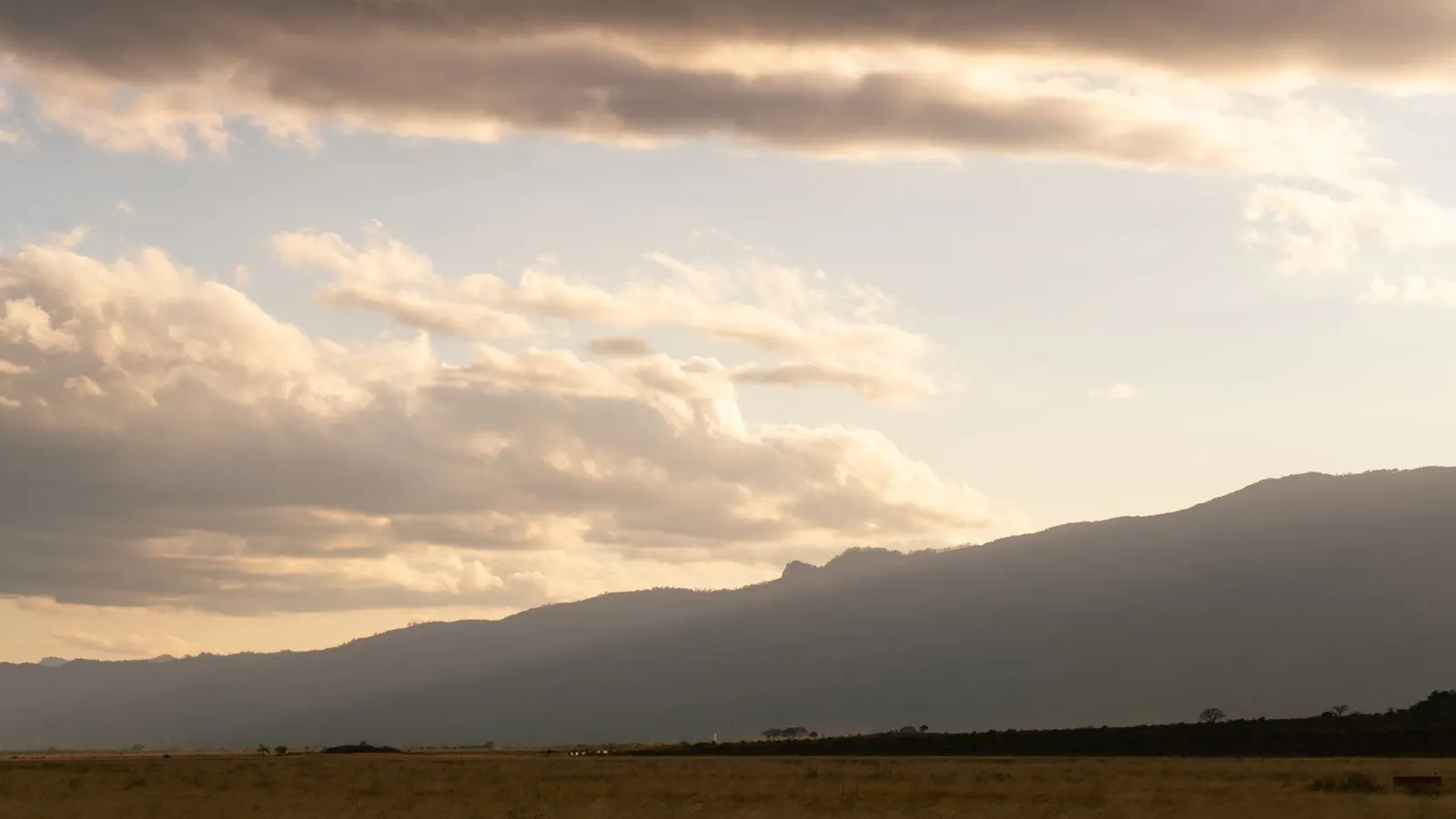
 Vishva Patel · Pexels License
Country Guide № 087 / 194 · Africa
Kenya
The Mara migration, Rift Valley lakes and an Indian Ocean coast with Swahili towns on it.
“The Mara migration, Rift Valley lakes and an Indian Ocean coast with Swahili towns on it.”
Kenya invented the safari as a concept and still does it better than most. The Maasai Mara is the northern end of the Serengeti ecosystem, and between July and October the wildebeest migration crosses the Mara River in the scenes that define the genre. Amboseli puts elephants against Kilimanjaro; Samburu in the arid north has species found nowhere further south.
It is also more than parks. The Rift Valley lakes hold flamingos and rhino; Mount Kenya rises to 5,199 metres with glaciers on the equator; and the Swahili coast at Lamu and Mombasa has a thousand years of Indian Ocean trading history in coral-stone towns. Nairobi has become the region's tech and business hub, which shows in the food and the traffic in equal measure.
Chapter 01
Highlights
The Maasai Mara
The migration river crossings from July to October, and resident predators year-round. The conservancies bordering the reserve limit vehicle numbers and allow night drives and walking, which the reserve itself does not.
Amboseli and Kilimanjaro
Large elephant herds on a dried lake bed with Kilimanjaro behind them - the mountain is in Tanzania and the view of it is here. Best at dawn before the cloud closes in.
The Rift Valley lakes
Nakuru and Bogoria for flamingos and rhino, Naivasha for hippo and a walking safari at Crescent Island, and Baringo for birds - all within a few hours of Nairobi.
Lamu
A Swahili coral-stone town with no cars, donkeys instead, dhows in the channel and a UNESCO-listed old town continuously inhabited since the fourteenth century.
Chapter 02
Entry requirements for Kenya
Checking your passport…
up to 90 days · €30 / $32 · travel authorisation
90 days on arrival
Official portal only
Paid look-alike sites charge for a process that is free or cheap on the government portal. Use the link below and nothing else.
www.etakenya.go.ke →Before you fly
The detail
- Maximum stay
- up to 90 days
- Process
- travel authorisation
- Fee
- €30 / $32
- Processing time
- Processing takes 1–3 days - apply with room to spare.
- Passport validity
- Most destinations want validity beyond your stay, and some want six months. Check yours against the return date.
- Onward travel
- Airlines may ask for a return or onward ticket at check-in.
- Arrival form
- Electronic Travel Authorisation, applied for online before departure - Kenya replaced its visa with this in 2024.
- Health
- Yellow fever certificate required if arriving from an endemic country and recommended generally. Malaria prophylaxis is recommended for most of the country including the Mara and the coast; Nairobi at 1,700 metres is low risk. Hepatitis A, typhoid and rabies are standard. Nairobi private hospitals are good; remote areas mean flying doctor evacuation, which is worth insuring specifically. Do not drink tap water.
- Money
- Shilling. M-Pesa mobile money dominates and is genuinely universal, though it needs a local SIM to use - worth setting up on arrival. Cards work in hotels, lodges and Nairobi restaurants. Carry cash for tips, markets and small towns. Park fees are usually card or prepaid. Tipping is expected: guides, drivers and camp staff, at meaningful amounts.
Kenya abolished visas at the start of 2024 and replaced them with a mandatory Electronic Travel Authorisation, which is not the same thing as visa-free travel however it was announced at the time - a US passport still needs the eTA, still pays for it, and people have been refused boarding for arriving without one. It costs around US$30 plus a small processing charge, is applied for at etakenya.go.ke at least three days before travel, and grants up to 90 days. Apply on the government domain only; the paid intermediaries are numerous and add nothing. For a multi-country trip the East Africa Tourist Visa, US$100 for 90 days across Kenya, Uganda and Rwanda, is better value and still exists alongside the eTA. A yellow fever certificate is required if you are arriving from an endemic country, which on an East African circuit is easy to trigger without noticing.
Check another destination with this passport →
Entry details: Editorial synthesis - Kenya Directorate of Immigration Services eTA portal, East Africa Tourist Visa terms (2025–2026) · compiled 15 Sept 2026
Who needs a visa for Kenya
12 common passports| Passport | Requirement | Stay | Process |
|---|---|---|---|
| United States | eTA | - | eTA · €30 / $32 · 1–3 d |
| United Kingdom | eTA | - | eTA · €30 / $32 · 1–3 d |
| Germany | eTA | - | eTA · €30 / $32 · 1–3 d |
| India | eTA | - | No Other passports record yet |
| China | eTA | - | No Other passports record yet |
| Brazil | eTA | - | No Other passports record yet |
| Nigeria | Visa-free | up to 60 days | No Other passports record yet |
| Indonesia | eTA | - | No Other passports record yet |
| Philippines | eTA | - | No Other passports record yet |
| Vietnam | eTA | - | No Other passports record yet |
| Egypt | Visa-free | up to 60 days | No Other passports record yet |
| Nepal | eTA | - | No Other passports record yet |
Holding a passport that is not listed? The picker above answers for any of them. See where your passport takes you. Source: Passport Index, updated 15 Aug 2026.
Chapter 03
When to go
BestJun–Oct, Dec–Feb. AvoidApr–May.
Dry, warm and good for wildlife; calving in the southern ecosystem.
The band above each month is our editorial verdict - it weighs crowds, prices and access as well as weather. The line is average daily temperature, the bars are monthly rainfall. Select a month for the figures. Climate figures: ERA5 reanalysis via Open-Meteo, 2005–2024 normals.
Chapter 04
What it costs
A day in Kenya
Comfortable · sample day
≈ $140
Line items are real prices we track. The daily budget is an editorial estimate for this level, not their sum.
Where this sits among 244 countries we have costed
Safari pricing is the whole story and it is brutal in high season - Mara camps in August cost two to three times their April rate, and park fees themselves rise seasonally. The green season from March to May is dramatically cheaper and many camps close. Nairobi and the coast follow their own milder patterns. Park fees are set officially and rose sharply in 2024.
Updated Aug 2026 · Editorial synthesis - Kenya Wildlife Service and Narok County published fees, camp and operator rates (2025–2026) · confidence high
Excludes international flights - they depend on where you fly from.
Chapter 05
Regions to know
5Nairobi & the central highlands
The capital with its national park on the doorstep, plus Mount Kenya and the Aberdares to the north.
The Maasai Mara
The reserve and its surrounding conservancies - the migration, resident predators and Maasai communities.
The Rift Valley
Naivasha, Nakuru, Bogoria and Baringo - flamingos, rhino, hippo and the escarpment above them.
Amboseli & the south
Elephants beneath Kilimanjaro, plus Tsavo East and West, which together form one of the largest parks in the world.
The coast & the north
Mombasa, Diani's beaches and Lamu's Swahili old town; Samburu and the arid north with its own endemic species.
Chapter 06
Practical guide
Getting there
Nairobi Jomo Kenyatta (NBO) is East Africa's main hub with direct flights from Europe, the Gulf and Asia; Mombasa (MBA) takes charters and regional flights. Land borders with Tanzania and Uganda are used routinely. Note the East Africa Tourist Visa, which covers Kenya, Uganda and Rwanda on one document.
Entry formalities
Electronic Travel Authorisation, applied for online before departure - Kenya replaced its visa with this in 2024.
Getting around
Domestic flights (Safarilink, AirKenya) reach the Mara, Amboseli and the coast and save long days on rough roads. The SGR railway links Nairobi and Mombasa in under six hours and is comfortable and cheap. Safari itineraries normally include a vehicle and driver-guide, which is the sensible arrangement. Matatus are the local minibuses - cheap, fast and not for the nervous. Uber and Bolt work in Nairobi.
Money & costs
Shilling. M-Pesa mobile money dominates and is genuinely universal, though it needs a local SIM to use - worth setting up on arrival. Cards work in hotels, lodges and Nairobi restaurants. Carry cash for tips, markets and small towns. Park fees are usually card or prepaid. Tipping is expected: guides, drivers and camp staff, at meaningful amounts.
Safety
Nairobi has significant crime and the precautions matter - no walking at night, ride-hailing rather than street taxis, nothing visible in vehicles, and care around the CBD and Eastleigh. Foreign ministries advise against travel to the Somali border areas and parts of the northeast, and against non-essential travel to some coastal areas near the border. The parks and the main tourist circuit are heavily used and safe. Road accidents are the largest practical risk.
Health
Yellow fever certificate required if arriving from an endemic country and recommended generally. Malaria prophylaxis is recommended for most of the country including the Mara and the coast; Nairobi at 1,700 metres is low risk. Hepatitis A, typhoid and rabies are standard. Nairobi private hospitals are good; remote areas mean flying doctor evacuation, which is worth insuring specifically. Do not drink tap water.
SIM & internet
Safaricom SIMs are cheap and the network is excellent, including in most parks. M-Pesa runs on it. Wifi is standard in lodges and often satellite-based and slow. Coverage in the far north is patchy.
Chapter 07
Driving
Most visitors do not drive - safari vehicles come with driver-guides who spot wildlife you would miss and know the park roads. If you do self-drive, a 4WD is essential in the parks, Nairobi traffic is severe, and night driving between towns is genuinely dangerous.
Rules change - verify with an official source before you rent.
ExplWorld VerifiedNo verified partners here yet - all 6 country seats are open.
Become ExplWorld Verified →Chapter 08
Itineraries through this country
Chapter 09
From the Journal
Chapter 10
Before you go
KenyaChapter 11
Frequently asked questions
Reserve or conservancy?
The Maasai Mara National Reserve is the famous ground and can get busy at a sighting. The conservancies around it are leased from Maasai landowners, cap the number of beds and vehicles, and permit night drives and walking safaris. They cost more per night and deliver a materially better experience. Many itineraries do a couple of nights in each.
When exactly is the migration?
The herds are in the Mara roughly July to October, with the river crossings most likely from late July through September. It is driven by rain and is not a schedule - there are years when it arrives early or late. Book the window, not the event, and treat a crossing as a bonus rather than the plan.
How much does a safari actually cost?
Far more than the rest of the trip. Park fees alone run US$80–200 per person per day depending on the park and season, and mid-range lodges start around €200 per person per night all-inclusive. A budget camping safari can be done for €120–150 a day. Nairobi and the coast are inexpensive by comparison, which is why the daily average here looks high.