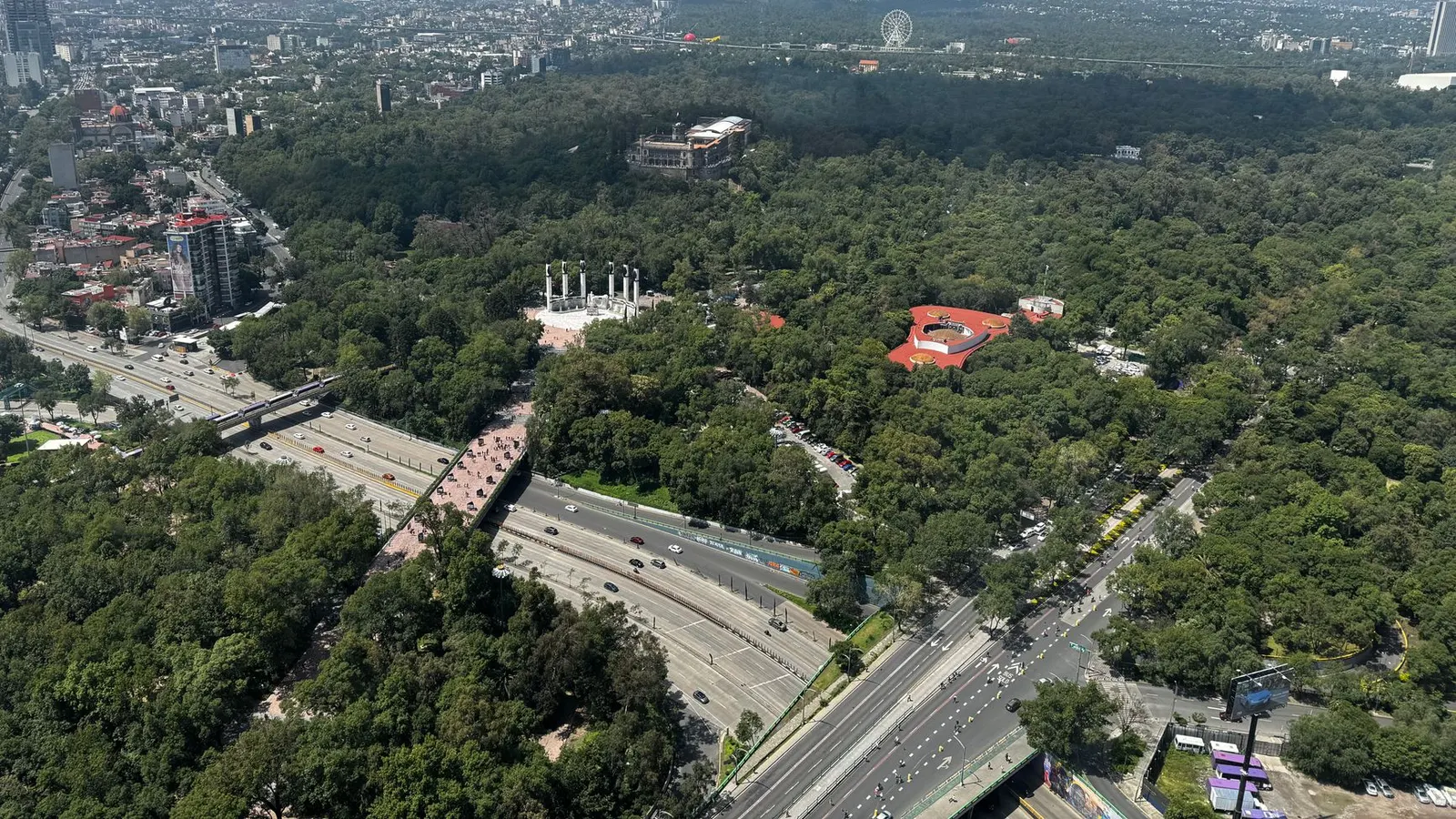
 Erhart Fabian Castillo Castellanos · Pexels License
Country Guide № 109 / 194 · North America
Mexico
Thirty-two countries wearing one flag - Aztec capitals, mezcal valleys, cenote reefs and the hemisphere’s greatest street food.
“Thirty-two countries wearing one flag - Aztec capitals, mezcal valleys, cenote reefs and the hemisphere’s greatest street food.”
Nobody exhausts Mexico. Mexico City alone - the largest Spanish-speaking city on earth, stacked on the ruins of Tenochtitlan - outguns most countries for museums, food and sheer urban theatre, and it is merely the starting point. Beyond it radiate Oaxaca’s mole-and-mezcal highlands, Yucatán’s cenote-pocked jungle flatlands, colonial silver cities, and two coastlines that could not be less alike.
The distances argue for choosing a theatre per trip: the centre (CDMX, Puebla, Oaxaca), the Yucatán circuit, or the Pacific. Buses are superb, flights cheap, street food safe when busy, and the dry-season winter - November to April - makes almost every region sing at once. Go where the crowds thin: the second city on any list beats the first.
Chapter 01
Highlights
Mexico City
Diego Rivera murals over Aztec foundations, the canals of Xochimilco, world-list restaurants beside €1 taco stands - give the capital four days minimum and start with the Museo Nacional de Antropología.
Oaxaca
Mexico’s food-and-craft capital: seven moles, smoky mezcal palenques, Zapotec weaving villages and the mountain-top ruins of Monte Albán. Día de Muertos here is the country at its most profound.
Yucatán cenotes & ruins
Swim in jungle sinkholes between Chichén Itzá, Uxmal and lagoon-side Tulum - base in Valladolid or Mérida rather than the resort strip and the peninsula changes character entirely.
Chiapas
San Cristóbal’s highland cool, the jungle-swallowed temples of Palenque, and the Sumidero Canyon’s kilometre-high walls - indigenous Mexico at its strongest.
Chapter 02
Entry requirements for Mexico
Checking your passport…
up to 180 days · free entry
180 days on arrival
Before you fly
The detail
- Maximum stay
- up to 180 days
- Fee
- free entry
- Passport validity
- Most destinations want validity beyond your stay, and some want six months. Check yours against the return date.
- Onward travel
- Airlines may ask for a return or onward ticket at check-in.
- Health
- No vaccinations required; hepatitis A and typhoid jabs are the standard advice. The famous stomach troubles are mostly avoidable: busy stalls with high turnover are safer than empty restaurants, drink bottled or purified water (every hotel has a garrafón), and go easy on street salsas the first week. CDMX’s 2,240 m altitude is mild but real. Private healthcare in cities is good and affordable; insurance still mandatory.
- Money
- The peso (MXN) is the only currency you need - refuse dollar pricing on the Riviera, it always embeds a bad rate. Cards work in cities and chains; markets, street food, colectivos and small-town Mexico are cash country, so carry small notes. Use bank-attached ATMs (BBVA, Banorte, Santander) and decline their “fixed rate” conversion offer, which shaves 5–10 %.
US citizens need no visa and may be admitted for up to 180 days, but the number is the officer's to choose and grants of 30 to 90 days have become ordinary rather than exceptional - say plainly how long you intend to stay and read what you are given before you leave the desk, because there is no tourist extension in-country and the period granted is final. A passport book is what Mexico expects and it is required for air travel; the passport card and the enhanced driver's licence are documents the United States accepts for YOUR RETURN by land or sea, not documents Mexico undertakes to admit you on, so carry the book unless you are crossing on foot into the border zone and straight back. The paper FMM tourist card has been retired at the main airports in favour of a stamp or a digital record, while some land crossings still issue paper and still charge for it beyond the free border zone. Onward or return travel is checked at check-in more often than at immigration. Keep the stamp legible: hotels ask for it, and a lost record means an immigration office and a fee before you can fly out.
Check another destination with this passport →
Entry details: Editorial synthesis - Instituto Nacional de Migración guidance, US State Department country information, IATA Timatic summaries (2025–2026) · compiled 15 Sept 2026
Who needs a visa for Mexico
12 common passports| Passport | Requirement | Stay | Process |
|---|---|---|---|
| United States | Visa-free | up to 180 days | No process · €0 / $0 |
| United Kingdom | Visa-free | up to 180 days | No process · €0 / $0 |
| Germany | Visa-free | up to 180 days | No process · €0 / $0 |
| India | Visa required | - | No Other passports record yet |
| China | Visa required | - | No Other passports record yet |
| Brazil | Visa required | - | No Other passports record yet |
| Nigeria | Visa required | - | No Other passports record yet |
| Indonesia | Visa required | - | No Other passports record yet |
| Philippines | Visa required | - | No Other passports record yet |
| Vietnam | Visa required | - | No Other passports record yet |
| Egypt | Visa required | - | No Other passports record yet |
| Nepal | Visa required | - | No Other passports record yet |
Holding a passport that is not listed? The picker above answers for any of them. See where your passport takes you. Source: Passport Index, updated 14 Aug 2026.
Chapter 03
When to go
BestNov–Apr.
Dry season everywhere; monarch butterflies cluster in Michoacán’s firs.
The band above each month is our editorial verdict - it weighs crowds, prices and access as well as weather. The line is average daily temperature, the bars are monthly rainfall. Select a month for the figures. Climate figures: ERA5 reanalysis via Open-Meteo, 2005–2024 normals.
Chapter 04
What it costs
A day in Mexico
Comfortable · sample day
≈ $81
Line items are real prices we track. The daily budget is an editorial estimate for this level, not their sum.
Where this sits among 244 countries we have costed
The Riviera Maya is the price outlier: December–April rates run 50–100 % above the wet season, spiking hardest Christmas–New Year and at Easter, and Tulum beachfront operates in its own currency of optimism. Inland Mexico moves far less - Oaxaca and CDMX peak only around Día de Muertos and Semana Santa. May and October are the value windows with workable weather.
Updated Aug 2026 · Editorial synthesis - Budget Your Trip, Numbeo, ADO tariffs, INAH entry fees (2025–2026) · confidence medium
Excludes international flights - they depend on where you fly from.
Chapter 05
Regions to know
5Mexico City & the centre
The capital’s museums and food scene, Teotihuacan’s pyramids, Puebla’s tiled baroque - the dense historical core of the country.
Oaxaca
Moles, mezcal, Zapotec markets and Pacific surf at Puerto Escondido - Mexico’s cultural deep end.
Yucatán Peninsula
Cenotes, Chichén Itzá and Uxmal, colonial Mérida and Valladolid, flamingo lagoons - plus the Riviera Maya resort strip if you want it.
Chiapas
Highland San Cristóbal, jungle Palenque, waterfalls and canyons - indigenous Mexico, slow roads, big rewards.
The Pacific & Baja
Surf towns from Sayulita to Puerto Escondido, Copper Canyon’s rail drama, and Baja’s grey whales and fish tacos two time zones from everything.
Chapter 06
Practical guide
Getting there
Mexico City and Cancún both have direct flights from Madrid, Frankfurt, Paris, Amsterdam and Istanbul; from Central Europe count on one stop and 14–16 hours. CDMX arrival puts the whole country’s flight network at your feet; Cancún locks you into the peninsula. No visa paperwork for EU passports - just a passport stamp granting up to 180 days.
Getting around
First-class buses (ADO, ETN, Primera Plus) are among the world’s best - reserved seats, luggage checks, sane pricing - and cover everything meaningful; take daytime services on long routes. Budget airlines (Volaris, VivaAerobus) make CDMX–Oaxaca or CDMX–Mérida €40–60 hops. In cities, Uber/Didi where available (not in Mérida or most of Quintana Roo - use authorised taxis there). Colectivos fill every gap for pesos.
Money & costs
The peso (MXN) is the only currency you need - refuse dollar pricing on the Riviera, it always embeds a bad rate. Cards work in cities and chains; markets, street food, colectivos and small-town Mexico are cash country, so carry small notes. Use bank-attached ATMs (BBVA, Banorte, Santander) and decline their “fixed rate” conversion offer, which shaves 5–10 %.
Safety
Stick to the tourist circuit and Mexico is far safer than its press: petty theft in crowds and drink-related trouble in resort nightlife are the realistic risks. Concrete rules: Uber over street taxis in CDMX, no intercity driving after dark, check current advisories for northern border states and parts of the Pacific coast (Guerrero, Michoacán, Sinaloa) before improvising routes, and keep the day’s cash separate from the stash. Sargassum, not crime, is the Caribbean coast’s usual disappointment - check seasonal maps.
Health
No vaccinations required; hepatitis A and typhoid jabs are the standard advice. The famous stomach troubles are mostly avoidable: busy stalls with high turnover are safer than empty restaurants, drink bottled or purified water (every hotel has a garrafón), and go easy on street salsas the first week. CDMX’s 2,240 m altitude is mild but real. Private healthcare in cities is good and affordable; insurance still mandatory.
SIM & internet
Telcel owns the coverage map; an OXXO-counter SIM or Telcel eSIM with 8–10 GB runs €10–15 with a passport. 4G/5G blankets cities and the tourist circuit; expect gaps in Chiapas’s mountains and on jungle roads. WhatsApp is the national operating system - hotels, guides and even government offices answer it faster than email.
Chapter 07
Driving
Never drive intercity at night - livestock, unlit vehicles and security all argue against it. Topes (speed bumps, often unmarked) guard every village and will destroy suspensions taken at speed. Green Angels patrol trucks assist breakdowns on federal highways free of charge.
Rules change - verify with an official source before you rent.
ExplWorld VerifiedNo verified partners here yet - all 6 country seats are open.
Become ExplWorld Verified →Chapter 08
Itineraries through this country
Chapter 09
From the Journal
Chapter 10
Before you go
MexicoChapter 11
Frequently asked questions
Is Mexico safe for travellers?
The gap between headlines and the tourist circuit is wide: cartel violence is concentrated in specific regions most visitors never enter, and the classic routes - CDMX’s central districts, Oaxaca, Yucatán, Chiapas - have solid records. The playbook: use Uber or authorised taxis, avoid intercity roads after dark, skip the handful of high-advisory states, and treat late-night bar districts with big-city sense. Yucatán state is statistically among the safest places in the Americas.
When is the best time to visit?
November to April is dry season nearly everywhere - warm days, cool highland nights, minimal rain. December–January and Easter are the price peaks on the Caribbean coast. May–October brings heat, afternoon downpours and, on both coasts, hurricane exposure that peaks in September. The compensations: whale sharks off Isla Mujeres June–September and green, uncrowded highlands.
How much does a day in Mexico cost?
Around €75 per person mid-range nationally: €35–45 for your half of a double, €15 of excellent eating, the rest on transport and sites. Backpackers travel well on €40. The Riviera Maya is its own price zone - add 50–100 % for anything within sight of Tulum beach - while Oaxaca, Chiapas and non-coastal Yucatán undercut the average.