 Charles Parker · Pexels License
Country Guide № 185 / 194 · North America
United States
The road-trip country - national parks the size of nations, diner counters and skylines you already know.
“The road-trip country - national parks the size of nations, diner counters and skylines you already know.”
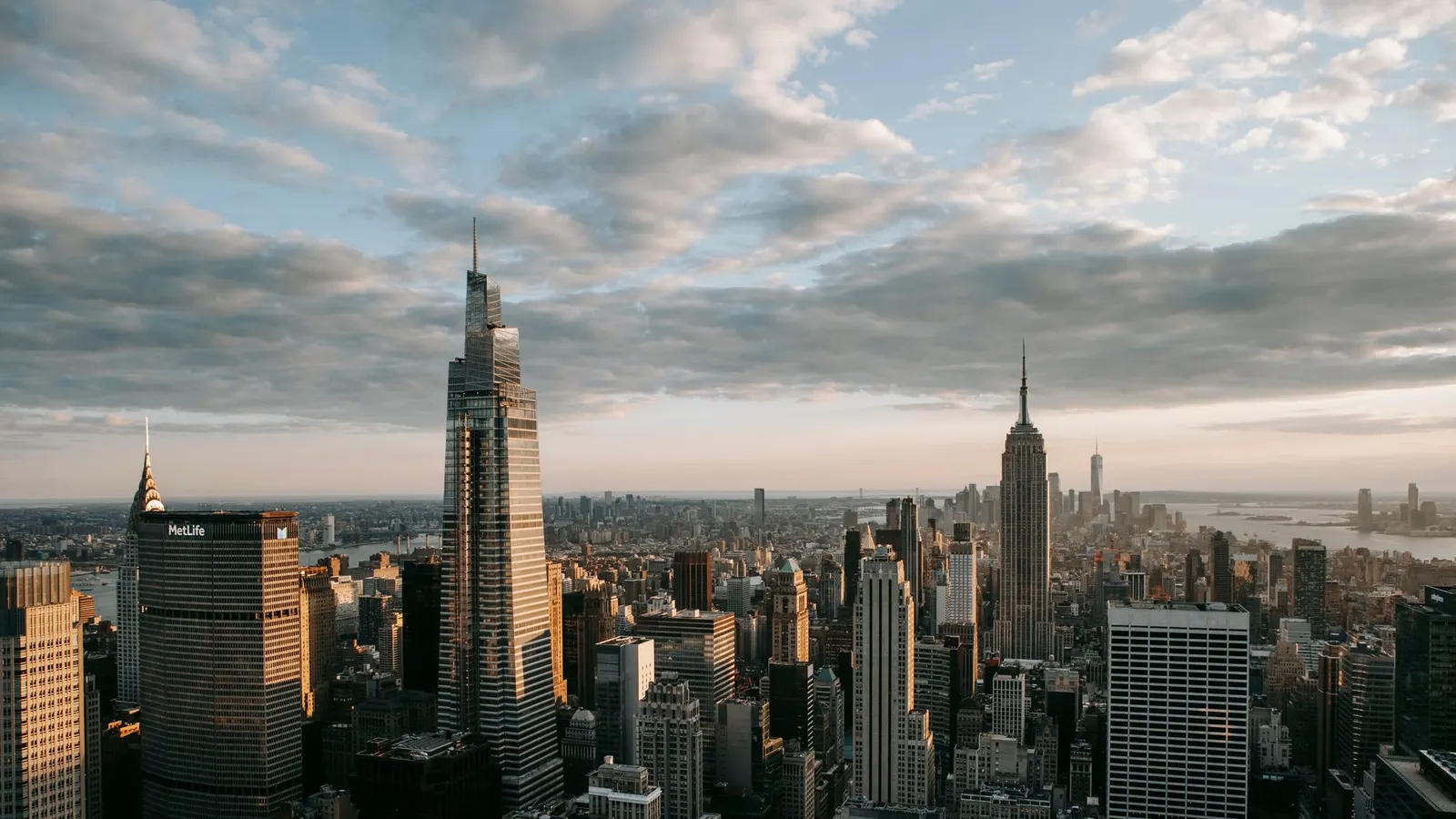
You arrive knowing the scenery - the movies made sure of that - and the country still lands harder in person: the first sight of the Grand Canyon’s scale, Manhattan from the Brooklyn side at dusk, a two-lane blacktop running straight to a horizon that stays put. The clichés earn their keep here.
Treat it like the continent it is. New York alone rewards a week; the Southwest parks loop is a full trip; the Pacific coast another. Distances devour itineraries - Los Angeles to the Grand Canyon is a seven-hour drive - and costs devour budgets, with tipping and taxes inflating every printed price by a fifth. Plan one region, rent the car, book the parks months out, and leave the rest for the next visit there will inevitably be.
Chapter 01
Highlights
The Southwest parks loop
Grand Canyon, Zion, Bryce, Monument Valley and Page’s slot canyons in one 1,500 km desert circuit from Las Vegas - the best single road trip in North America. Book park lodges and timed entries months ahead.
New York City
Still the capital of the twentieth century and half the twenty-first: walk the High Line, cross the Brooklyn Bridge at dawn, take the free Staten Island Ferry past the Statue of Liberty and eat in a different borough nightly.
Pacific Coast Highway
Highway 1 between San Francisco and Los Angeles - Big Sur’s cliff bridges, elephant seals at San Simeon, and fog-then-gold light that has sold convertibles for seventy years. Drive it southbound, ocean side.
Yellowstone & Grand Teton
The world’s first national park: geysers, prismatic springs, and free-ranging bison, wolves and grizzlies across a volcanic plateau - with the Tetons’ granite skyline an hour south.
Chapter 02
Entry requirements for United States
Checking your passport…
We don't hold entry details for this passport group yet.
Before you fly
The detail
- Passport validity
- Most destinations want validity beyond your stay, and some want six months. Check yours against the return date.
- Onward travel
- Airlines may ask for a return or onward ticket at check-in.
- Arrival form
- ESTA travel authorisation (Visa Waiver Program) must be approved before boarding - apply at esta.cbp.dhs.gov, ideally 72 hours before departure. Airlines verify it at check-in; without approval you are not flying. Valid 2 years (or to passport expiry) for unlimited visits of up to 90 days each.
- Health
- No vaccinations required, tap water is safe, and pharmacies (CVS, Walgreens) are everywhere and well stocked. The system itself is the health risk: an ER visit starts around €1,000 and a hospital stay reaches five figures, so comprehensive insurance with high medical limits is mandatory, and urgent-care clinics (€100–200 a visit) beat ERs for minor issues. Sun and altitude in the mountain West deserve respect.
- Money
- Cards run everything - many businesses no longer take cash - so bring two cards and skip the currency exchange entirely. The arithmetic that ambushes Europeans: sales tax (0–10 %) appears at the till, and tipping is a wage system, not a courtesy - 18–20 % at restaurants, a couple of dollars a round at bars, 15–20 % on taxis. Menu prices are fiction; add a fifth to everything mentally.
Who needs a visa for United States
11 common passports| Passport | Requirement | Stay | Process |
|---|---|---|---|
| United Kingdom | eTA | - | eTA · €36 / $39 · 1–3 d |
| Germany | eTA | - | eTA · €36 / $39 · 1–3 d |
| India | Visa required | - | No Other passports record yet |
| China | Visa required | - | No Other passports record yet |
| Brazil | Visa required | - | No Other passports record yet |
| Nigeria | Visa required | - | No Other passports record yet |
| Indonesia | Visa required | - | No Other passports record yet |
| Philippines | Visa required | - | No Other passports record yet |
| Vietnam | Visa required | - | No Other passports record yet |
| Egypt | Visa required | - | No Other passports record yet |
| Nepal | Visa required | - | No Other passports record yet |
Holding a passport that is not listed? The picker above answers for any of them. See where your passport takes you. Source: Passport Index, updated 14 Aug 2026.
Chapter 03
When to go
BestApr–Oct.
DC cherry blossoms; deserts in bloom before the heat.
The band above each month is our editorial verdict - it weighs crowds, prices and access as well as weather. The line is average daily temperature, the bars are monthly rainfall. Select a month for the figures. Climate figures: ERA5 reanalysis via Open-Meteo, 2005–2024 normals.
Chapter 04
What it costs
A day in United States
Comfortable · sample day
≈ $194
Line items are real prices we track. The daily budget is an editorial estimate for this level, not their sum.
Where this sits among 244 countries we have costed
Prices track events and school calendars more than weather: summer holidays and October leaf season inflate park-gateway towns 40–60 %, city hotels spike around conventions unpredictably, and holiday-week airfares double. New York and San Francisco run 40–70 % above national levels year-round. All levels above already absorb the ~20 % surcharge of sales tax plus 18–20 % tipping that printed prices omit.
Updated Aug 2026 · Editorial synthesis - Numbeo, Budget Your Trip, NPS fee schedules, hotel-market reporting (2025–2026) · confidence medium
Excludes international flights - they depend on where you fly from.
Chapter 05
Regions to know
5The Northeast
New York, Boston, DC and the Northeast Corridor trains between them - plus New England’s October colour show and Maine’s lobster coast.
The Southwest
Grand Canyon, Zion, Bryce, Monument Valley and Vegas as the improbable gateway - red-rock America, best in spring and fall.
California & the Pacific coast
San Francisco to LA down Highway 1, Yosemite’s granite, redwoods taller than cathedrals and the best produce in the hemisphere.
The Mountain West
Yellowstone, Grand Teton and Glacier; ski towns from Aspen to Jackson - big wildlife, big weather, June–September windows.
The South
New Orleans’ music and food, the Tennessee whiskey-and-country corridor, Florida’s beaches and the Keys - warmest in winter, steamy in summer.
Chapter 06
Practical guide
Getting there
Direct flights link Vienna, Prague and every western European hub to New York, and the majors continue to Chicago, Miami, Los Angeles and San Francisco; from Central Europe count on 9–12 hours nonstop or one connection. ESTA approval is mandatory before boarding - apply at least 72 hours ahead on the official site. Immigration queues at JFK and Newark can absorb two hours; connect accordingly.
Entry formalities
ESTA travel authorisation (Visa Waiver Program) must be approved before boarding - apply at esta.cbp.dhs.gov, ideally 72 hours before departure. Airlines verify it at check-in; without approval you are not flying. Valid 2 years (or to passport expiry) for unlimited visits of up to 90 days each.
Getting around
The car is the national transit system: rentals are cheap by European standards (from ~€35/day plus insurance), fuel is roughly half EU prices, and one-way fees between states are manageable. Fly the continental hops - coast to coast is 5–6 hours. Amtrak is scenery, not schedule, outside the Northeast Corridor, whose trains genuinely work. City transit is excellent in New York, Chicago, Boston, DC and San Francisco and thin almost everywhere else.
Money & costs
Cards run everything - many businesses no longer take cash - so bring two cards and skip the currency exchange entirely. The arithmetic that ambushes Europeans: sales tax (0–10 %) appears at the till, and tipping is a wage system, not a courtesy - 18–20 % at restaurants, a couple of dollars a round at bars, 15–20 % on taxis. Menu prices are fiction; add a fifth to everything mentally.
Safety
Tourist America is safe; apply city sense after dark and ask hotels which neighbourhoods to skip. Lock the car and leave nothing visible - break-ins, not muggings, are the tourist crime. Nature is the real hazard: carry water in the desert (four litres per person per day), respect flash-flood forecasts in slot canyons, store food properly in bear country, and take heat advisories literally in Phoenix and Vegas summers. In any emergency dial 911.
Health
No vaccinations required, tap water is safe, and pharmacies (CVS, Walgreens) are everywhere and well stocked. The system itself is the health risk: an ER visit starts around €1,000 and a hospital stay reaches five figures, so comprehensive insurance with high medical limits is mandatory, and urgent-care clinics (€100–200 a visit) beat ERs for minor issues. Sun and altitude in the mountain West deserve respect.
SIM & internet
T-Mobile, AT&T and Verizon blanket cities and interstates; canyons and park interiors are dead zones - download offline maps before every park day. Prepaid tourist SIMs are overpriced in stores; a travel eSIM (10–20 GB for €20–30) bought before arrival is the sane play. Free wifi is ubiquitous in cafés, hotels and even national park lodges.
Chapter 07
Driving
Limits vary by state - interstates post 65–80 mph (85 on one Texas toll road), towns drop to 25. Right turn on red is legal after a full stop unless signed (never in NYC). Stop in BOTH directions for a school bus with flashing red lights. At four-way stops, first to arrive goes first.
Rules change - verify with an official source before you rent.
ExplWorld VerifiedNo verified partners here yet - all 6 country seats are open.
Become ExplWorld Verified →Chapter 08
Itineraries through this country

Chapter 09
From the Journal
Chapter 10
Before you go
United StatesChapter 11
Frequently asked questions
Is the US safe for visitors?
For tourists, overwhelmingly yes - the practical risks are mundane: car break-ins in San Francisco and at trailhead lots (leave nothing visible), pickpocketing in transit crush, and wandering into the wrong blocks late at night - ask locally. The genuinely underrated dangers are environmental: desert heat, flash floods in slot canyons, altitude and bears in the parks. Healthcare works brilliantly and bills catastrophically - insurance is the single non-negotiable.
When is the best time to visit?
May–June and September–October are the national sweet spots - parks open and uncrowded, cities pleasant, prices below peak. July–August works but means desert heat above 40 °C, full campgrounds and peak fares. Winter splits the country: Florida, the Gulf and the ski resorts shine while the northern parks close. September in the parks and October in New England are as good as American travel gets.
How much does a day in the USA cost?
Plan on €180 per person per day mid-range - hotels near €200 a double in any major city, restaurant meals carrying 8–10 % tax plus an expected 18–20 % tip, and car costs on top. Hostel-and-diner travel runs €90–100 in most regions; New York and San Francisco laugh at both numbers. The parks are the bargain: a €32 vehicle pass covers everyone in the car for a week.