 Satheesh Cholakkal · Pexels License
Itinerary · Middle East · 8 days · Easy
The Spring Line
Manama→Muharraq→Bu Maher Fort, Muharraq→Qal'at al-Bahrain→A'ali→Jebel Dukhan+2 stops
Eight days on an island fifty kilometres long, following the water: the northern strip where the artesian springs came up and Dilmun built its cities, the pearling town that lived off the oyster beds, the oilfield that arrived the year the pearl trade died, and the protected islands in the south.
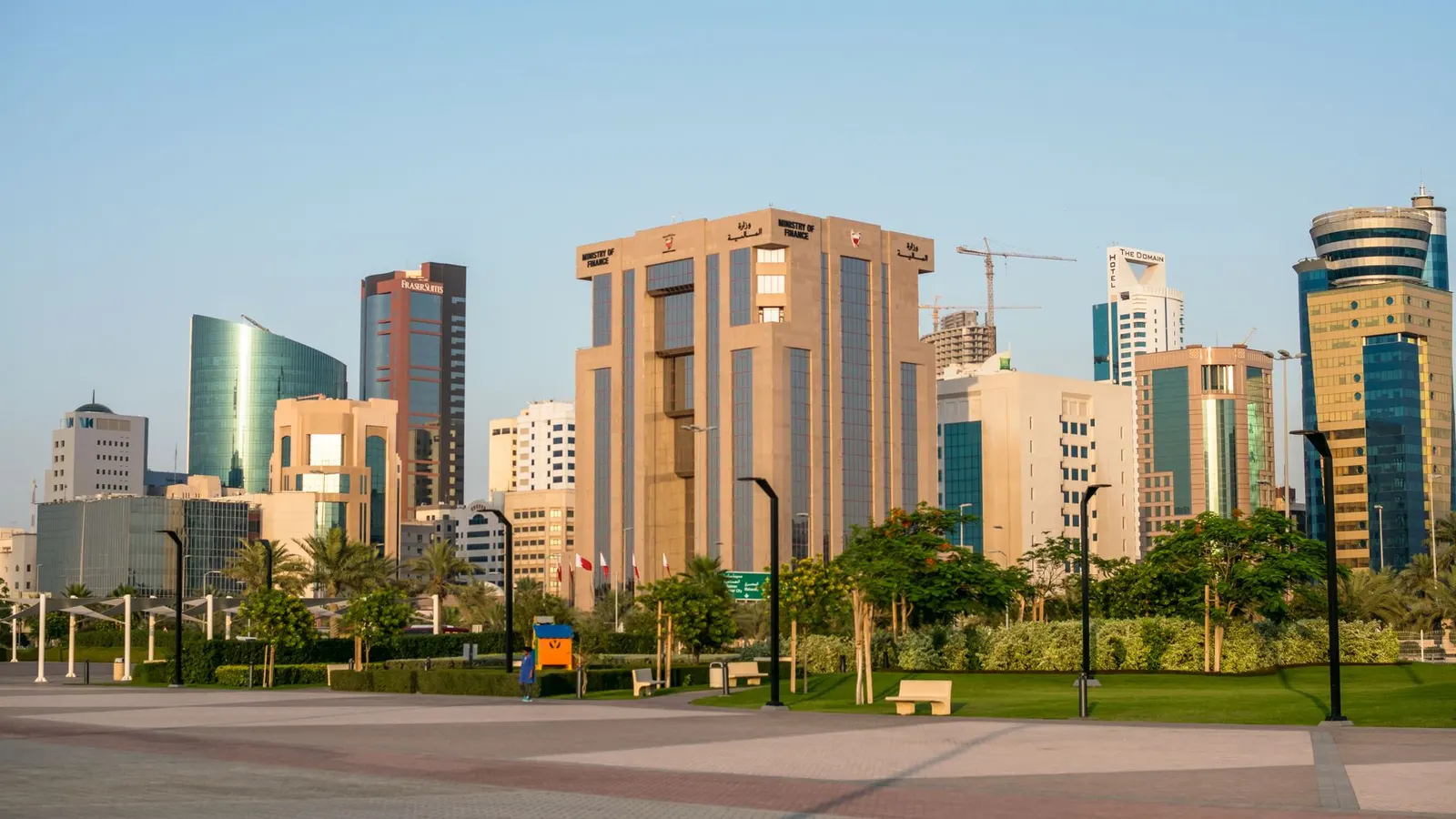
Manama, and the shoreline that moved
Start at the Bahrain National Museum, which opened in 1988 and lays out Dilmun, pearling and the oil years in that order. Then walk to Bab Al Bahrain, built in 1949 as the customs gate on the waterfront and now standing the better part of a kilometre inland, with the souq behind it. The distance between the gate and the sea is the first thing this island will tell you about itself.
Muharraq and the Pearling Path
Muharraq was the capital until the 1920s and it is where the pearling money lived. The Pearling Path threads about three kilometres of lane past seventeen listed buildings - Siyadi's house and majlis, the diver's house at Al Ghous, the Sheikh Isa bin Ali house, built around 1800 and the seat of government from 1869 until the capital crossed the water in 1923. Several open only on set days; check before you set out.
Bu Maher, Arad and the boatyards
Bu Maher Fort sits on the southern tip of Muharraq and is the formal head of the pearling site - the fleet left from here each June. There is no road to it: the shuttle boat runs from the harbour beside the Bahrain National Museum in Manama, not from the Muharraq end, so this is a day that starts back where you began. Afterwards Arad Fort, and then the yards along the Muharraq shore where dhows are still built by eye, without drawings.
Qal'at al-Bahrain and Barbar
The tell at Qal'at al-Bahrain is twelve metres of accumulated city, occupied from about 2300 BC to the Portuguese fort on the crown, and it stands where it does because there was water. Four kilometres west, Barbar is three superimposed temples of the third and second millennia BC built around a chamber holding a spring - the Dilmun sanctuary is a well room. Ain Umm Sujoor at Diraz is the same idea, cruder and emptier.
The mounds: Saar, A'ali and Adhari
Bahrain is covered in Bronze Age burial mounds; the fields inscribed by UNESCO in 2019 are the survivors of a far larger number ploughed and built over. Saar has the excavated settlement and its street plan. At A'ali the royal mounds reach something like fifteen metres, with potters' kilns wedged in among them. Finish at Adhari, the island's most famous spring, where the pool is now kept full by a pump.
South to the oilfield
Jebel Dukhan is 134 metres high and is the highest thing in the country. Below it stand Oil Well No. 1, which struck in October 1931 and went commercial in 1932, and the small museum beside it. A short drive south-east, the Tree of Life - a Prosopis cineraria of roughly four hundred years, alone in gravel, its roots into water nobody has precisely accounted for.
Al Areen, Sakhir and the west coast
Al Areen Wildlife Park breeds Arabian oryx and holds most of the country's captive wildlife; the Bahrain International Circuit is next door and does track tours on non-event days. Then north up the west coast through Zallaq and Malkiya to Al Jasra House, built in 1907 of coral stone and palm trunk, with the handicraft centre alongside it.
Hawar
The Hawar group lies off the Qatari coast and belongs to Bahrain by the judgment of the International Court of Justice of 16 March 2001. It is a protected area: the largest breeding colony of Socotra cormorants anywhere, and dugong in the shallows between here and the mainland in numbers second only to Australia. Access is by arranged boat from the Durrat Al Bahrain pavilion at the southern end of the main island, on fixed sailings subject to coast guard clearance. Take water and shade - there is very little of either.
Good to know
Most Western and many other nationalities can buy an eVisa in advance at evisa.gov.bh or take a visa on arrival at Bahrain International Airport - two weeks as standard, extendable, with a longer multiple-entry option sold at the same counter; check your own passport on that site rather than assuming, because the on-arrival list and the eVisa list are not identical. Arriving overland across the King Fahd Causeway needs a Saudi visa or residence permit as well as the Bahraini one, and the causeway is the transport quirk that catches people: Thursday evenings and Friday mornings in each direction can mean two or three hours in the queue, and the return on Saturday night is worse. Season is the hard constraint. From June to September daytime temperatures run to the low forties with humidity off the Gulf on top, and the outdoor half of this route - the mounds, the Tree of Life, Hawar - is genuinely unsafe in the middle of the day; November to March is the season, and even then the north wind can be cold at sea. Ramadan moves about eleven days earlier each year and now falls in late winter; eating, drinking and smoking in public during daylight are prohibited for everyone, visitors included, while restaurants open after sunset and stay open late. Hawar is a controlled protected area with no casual boat service: sailings leave the Durrat Al Bahrain pavilion on fixed timings and are subject to coast guard clearance, so book ahead and confirm the day before. The island resort reopened in 2025 after years dark, which means there is a bed on Hawar again - one property, priced accordingly - but a day visit still lives or dies on catching the return boat, and there is no other way off. The Dukhan area is a working oilfield - stay on public roads, do not photograph installations, and expect some tracks towards the ridge to be closed without notice. The weekend is Friday and Saturday, so museum and souq hours shift; alcohol is legal in licensed hotels and restaurants and nowhere else; and the dinar is pegged to the US dollar, which makes prices stable and, at roughly two and a half euros to the dinar, higher than most visitors expect.
Shorter or longer?
Cross to Saudi Arabia's Eastern Province for three or four more days - Dhahran and the Ithra centre, the Qatif oasis, Tarout Island and its own Dilmun-era tell. Needs a Saudi visa arranged separately and in advance; it is not sold at the causeway.
Manama, the Pearling Path in Muharraq, Qal'at al-Bahrain with Barbar, and the A'ali mounds. Keeps all three World Heritage sites and needs no hire car. Cuts the oilfield, Al Areen and Hawar.
Practical guide
Visa check for this route
Budget
Mid-range · per person · sharing a double room. Excludes international flights - they depend on where you fly from.
Editorial estimates · checked August 2026
Country guides
Trip essentials
The connectivity placement is our own eSIM store. No affiliate link on this list. How we choose these →