Itinerary · Europe · 10 days · Easy
Porto to the Border
Porto→Foz do Douro→Pinhão→Quinta do Bomfim area→Guimarães→Braga+4 stops
The north - port lodges, the Douro by train, granite villages in the mountains, and the Atlantic coast that Lisbon day-trippers never reach.
Porto
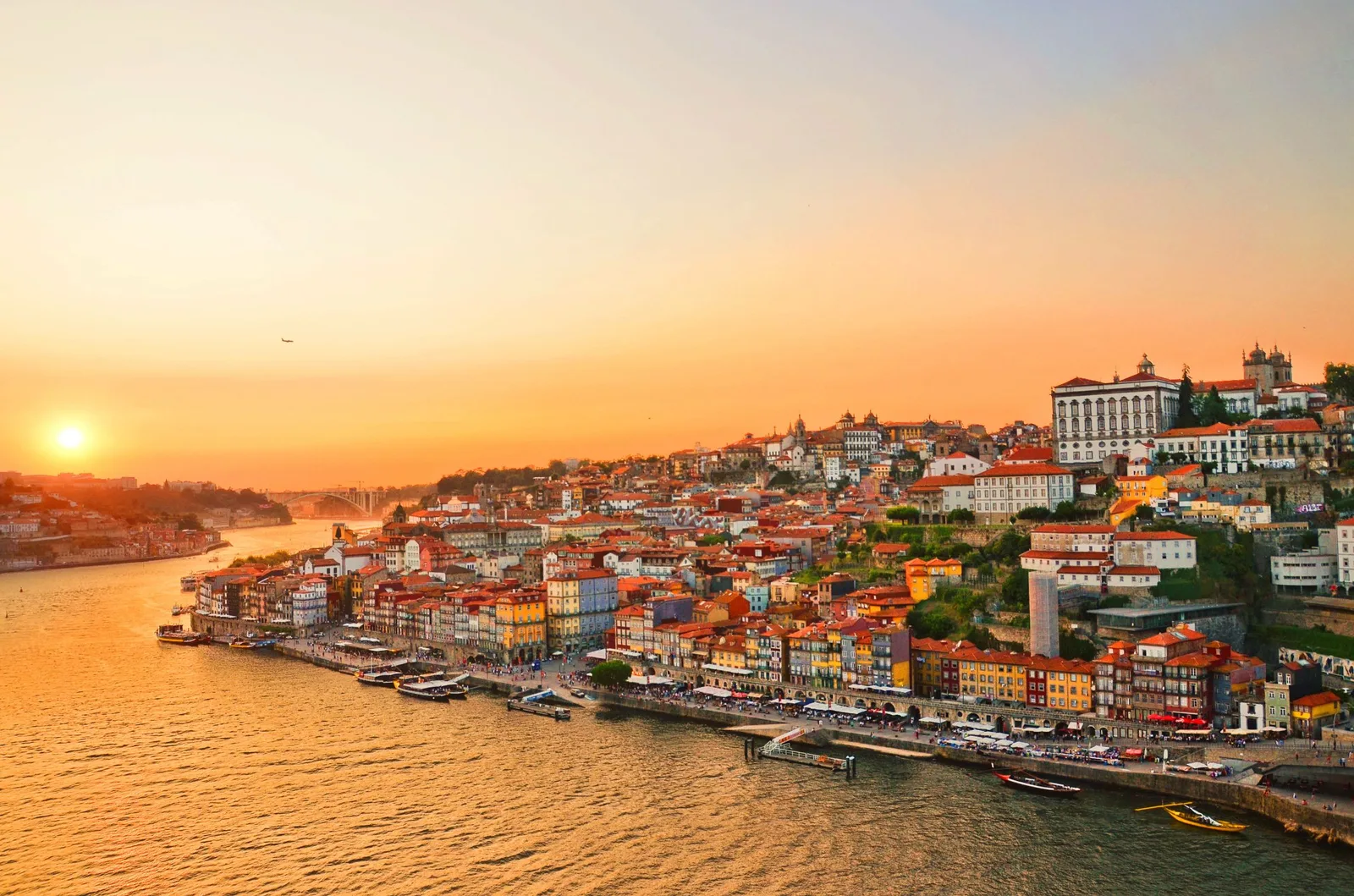
Ribeira, the Lello bookshop if you can face the queue, and São Bento station for the tiles. Cross to Gaia in the evening for the lodges and the view back.
Porto, the other half
Serralves for modern art and the garden, Foz for the seafront, and a francesinha somewhere unglamorous. The city is small enough to walk and steep enough to feel it.
The Douro line
Train from São Bento to Pocinho. From Régua east the track runs at the water's edge through terraced vineyards for two hours. Sit on the right going up.
Douro quintas
Tastings at working estates rather than city lodges. Many need booking a day ahead; several will collect you from Pinhão station.
North to Guimarães
Back west and up. Guimarães is where the first king was born and where Portugal, in the national telling, begins - a compact medieval centre that takes a day.
Braga
The religious capital, and Bom Jesus do Monte above it - a baroque stairway climbed by a water-powered funicular from 1882 that still works exactly as designed.
Into Peneda-Gerês
Portugal's only national park, up against the Spanish border. Garranos - semi-wild ponies - Roman milestones on the old road to Astorga, and granite villages with communal ovens still in use.
Gerês trails
Waterfalls at Arado, the Mata da Albergaria, and the drowned village of Vilarinho das Furnas which reappears when the reservoir drops in late summer.
To the coast
West to Viana do Castelo - Atlantic surf, a hilltop basilica reached by funicular, and the best of the north's seafood.
Costa Verde and back
South along the coast to Porto through Esposende and Póvoa. The water is genuinely cold - this is the Atlantic, not the Algarve - and the beaches are empty because of it.
Good to know
Trains and buses cover everything except Peneda-Gerês properly; hire a car for those two or three days if you can. The Douro line is a regional service with no reservations - turn up. Port tastings in Gaia are walk-in; quinta visits upriver usually are not. The north is wetter than the south all year and considerably wetter between November and March, which is also when it is cheapest and emptiest.
Shorter or longer?
Cross at Valença into Galicia for Santiago de Compostela and the Rías Baixas - an easy add of four or five days.
Skip Gerês and give three days to the valley: cycle the quieter bank, stay at a quinta, take the boat one way and the train the other.
Practical guide
Visa check for this route
Budget
Mid-range · per person · sharing a double room. Excludes international flights - they depend on where you fly from.
Editorial estimates · checked August 2026
Country guides
Trip essentials
The connectivity placement is our own eSIM store. No affiliate link on this list. How we choose these →