 Jesse Benjamin Lara Serna · Pexels License
Itinerary · South America · 14 days · Moderate
The Andean Spine: Cusco to Arequipa
Cusco→Ollantaytambo→Maras→Aguas Calientes→Machu Picchu→Cusco+6 stops
Two weeks along the high cordillera without the queue: the Sacred Valley at its own pace, Machu Picchu approached properly, then south across the altiplano to Lake Titicaca, the Colca canyon and the white city of Arequipa. Altitude is the only real difficulty, and this route respects it.
Cusco
Day 1–2 · 2 daysLand in Cusco, do nothing
Cusco airport sits at 3,400 metres and the altitude is not negotiable. Check in, walk slowly to the Plaza de Armas, eat something light, drink twice as much water as feels reasonable and sleep early. Everything on this route is better if today is boring.
Cusco on foot
Qorikancha first - the Inca sun temple with a colonial convent built directly on top of it, which is the whole history of Peru in one building. Then the cathedral, the San Pedro market for lunch, and the twelve-angled stone on Hatunrumiyoc. Still an easy day by design.
Down into the Sacred Valley
Drop 800 metres to Pisac - which helps the acclimatisation more than any tea - for the hilltop ruins and the terracing above the Vilcanota. Continue to Ollantaytambo and stay there rather than in Urubamba: the town is a living Inca street grid, still inhabited.
Salt pans and circles
Maras: thousands of terraced salt evaporation ponds worked by families since before the Spanish arrived, fed by a single saline spring. Then Moray, the concentric agricultural terraces whose temperature gradient between top and bottom looks a great deal like a research station. Afternoon free in Ollantaytambo for the fortress at closing time, when the tour buses have gone.
The train to Aguas Calientes
The rail line follows the Urubamba down into the cloud forest, and the vegetation changes by the window. Aguas Calientes is a functional town with one job. Buy your bus tickets tonight, check your Machu Picchu entry slot and circuit, and sleep.
Machu Picchu
Entry is by timed slot on a fixed circuit and the rules change often - check what your ticket actually permits before you queue. Take the earliest bus you can, walk your circuit slowly, and if you hold a Huayna Picchu or Machu Picchu Mountain add-on, know that both are steep and exposed. Afternoon train back up the valley.
Back to Cusco, and a decision
Return to Cusco in the morning. The afternoon is the natural place to add the Rainbow Mountain day or the Humantay lagoon if you want them - both are 4,000-metre-plus outings that punish anyone who has skipped the acclimatisation days. Otherwise: the Inca sites above the city, walked rather than driven.
Across the altiplano to Puno
The route south is a long day whichever way you take it. The tourist bus stops at Andahuaylillas - the so-called Sistine Chapel of the Andes, and genuinely startling inside - plus Raqchi and the 4,335-metre La Raya pass. The direct bus is four hours faster and shows you the same plateau through glass.
Titicaca, properly
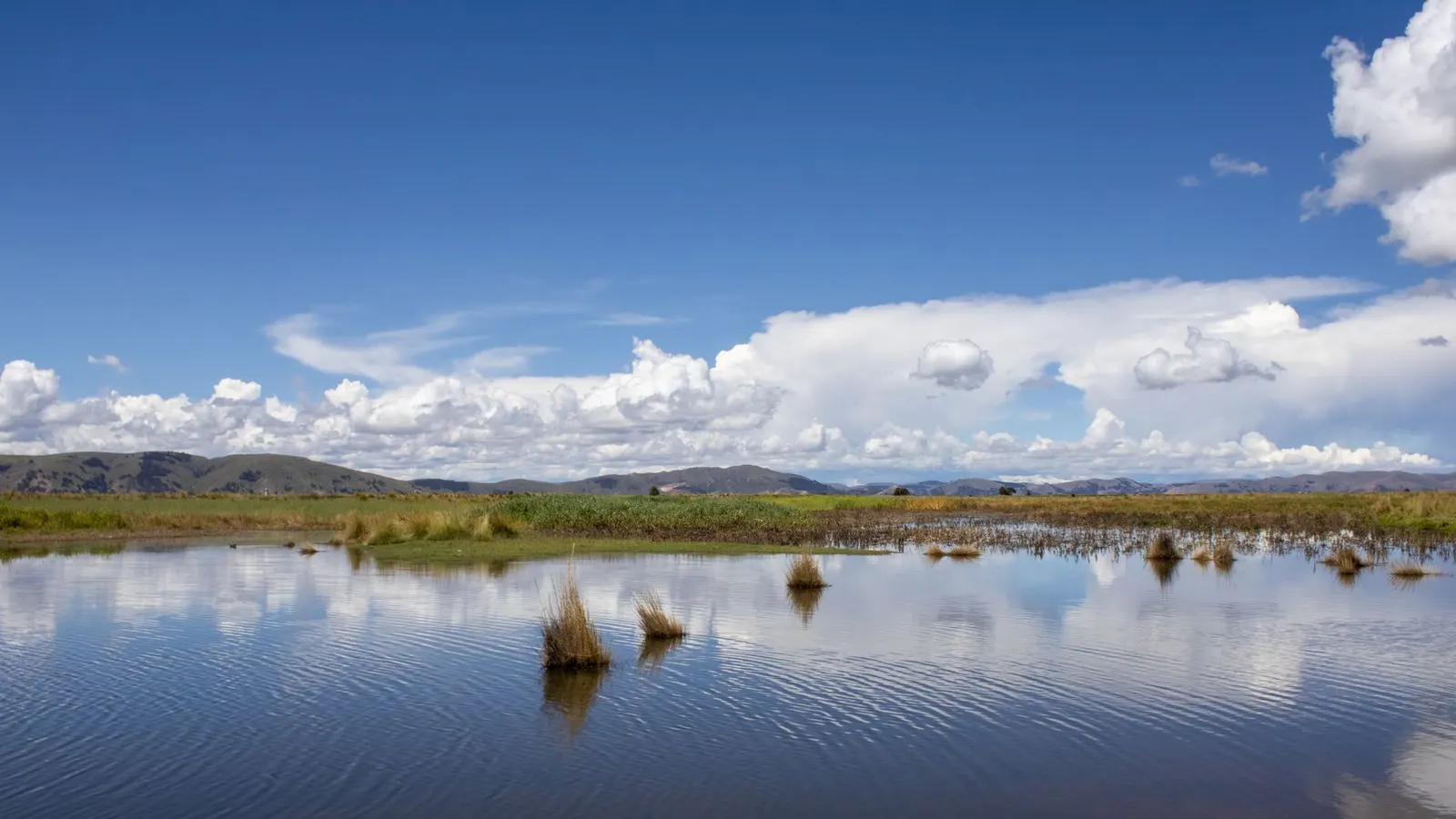
Skip the half-day Uros circuit in favour of an overnight on Amantaní or Taquile with a host family. The floating reed islands are worth seeing and are also the most heavily worked tourism product on the lake; the inhabited islands, three hours out, are where the day stops being a performance.
Taquile and back
Taquile’s men knit and its women weave, and the textile tradition is on the UNESCO intangible heritage list. Walk the terraced spine of the island, eat trout looking at Bolivia, and take the afternoon boat back to Puno.
Into the Colca
Six hours west across the Patapampa pass at 4,910 metres - the highest point of the whole route, and a ten-minute photo stop is quite enough. Down into Chivay for hot springs and the first sight of the canyon, which is roughly twice the depth of the Grand Canyon and much less advertised.
Condors at the Cruz del Cóndor
Early to the mirador, where Andean condors ride the morning thermals out of the canyon at eye level - a bird with a three-metre wingspan passing below the railing is not a thing photographs prepare you for. Then the terraced villages of Yanque and Maca on the way down.
Arequipa
Day 13–14 · 2 daysArequipa
Down to 2,300 metres and the relief is immediate. Arequipa is built from white volcanic sillar under three volcanoes, and the Santa Catalina monastery - a walled city within the city, painted in ochre and cobalt - takes a full unhurried afternoon.
Last morning, then out
The Museo Santuarios Andinos holds Juanita, the Inca girl found frozen near the summit of Ampato - a short, sobering visit. Lunch at a picantería, the region’s institutional lunch-only restaurants, then the flight out via Lima.
Good to know
Altitude runs this route. Cusco is 3,400 m, Puno 3,830 m and the Patapampa pass 4,910 m. Two easy days at the start are not padding - they are the reason the rest works.
Machu Picchu entry is by timed slot on a numbered circuit, sold in advance, and the rules are revised regularly. Buy through the official channel and re-read the conditions the week you travel.
The Cusco–Puno and Puno–Chivay legs are long. Night buses exist on the first; they save a day and cost you the plateau.
Shorter or longer?
Cut Titicaca and go straight from Cusco to Arequipa by night bus - the canyon and the white city survive the edit intact.
Add four days from Cusco to Puerto Maldonado for the Tambopata reserve: a short flight, then a river boat to a lodge.
Continue north from Arequipa along the coast to Nazca, Huacachina and Paracas, ending in Lima.
Practical guide
Visa check for this route
Budget
Mid-range · per person · sharing a double room. Excludes international flights - they depend on where you fly from.
Editorial estimates · checked August 2026
Country guides
Trip essentials
The connectivity placement is our own eSIM store. No affiliate link on this list. How we choose these →