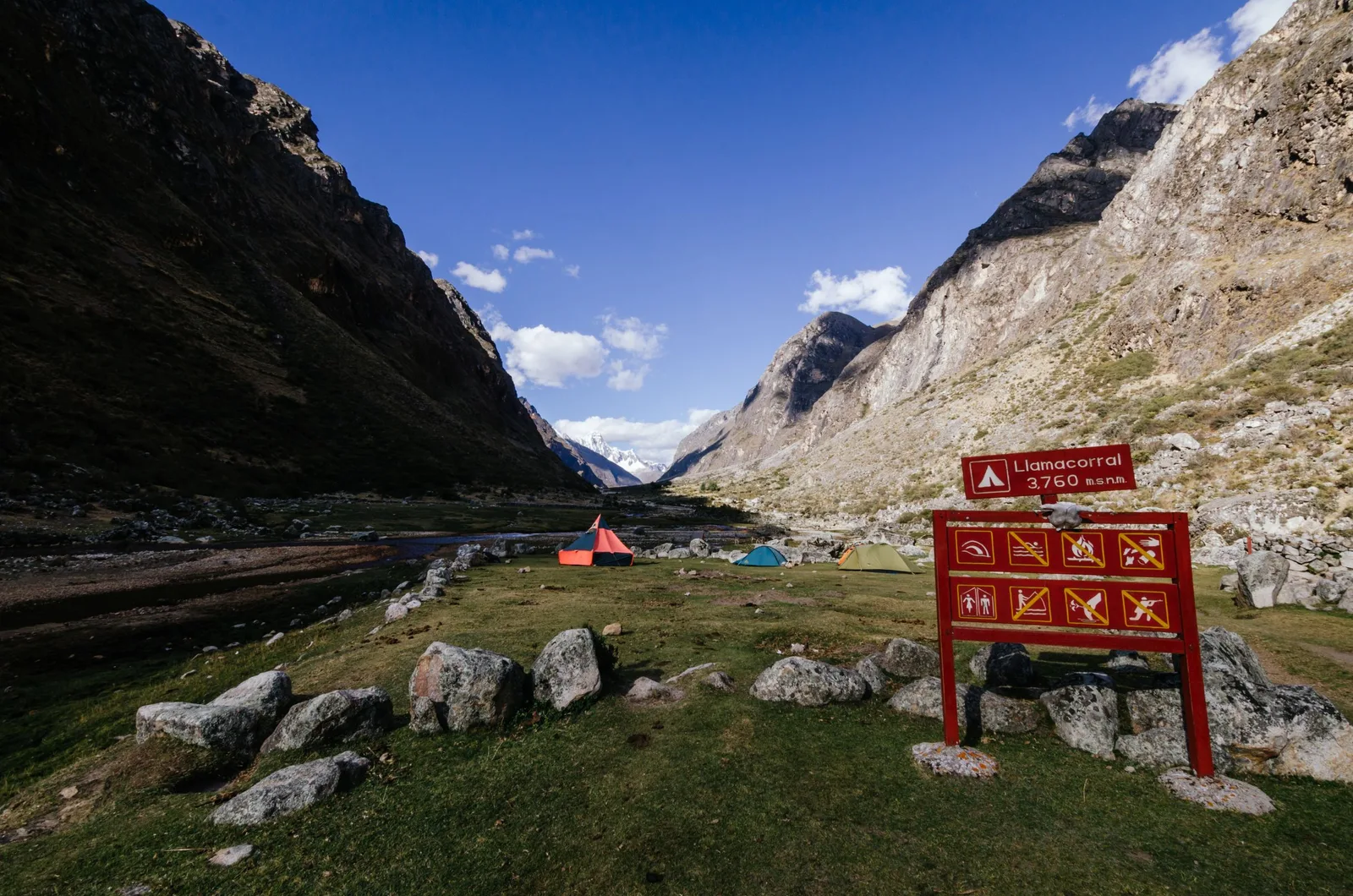
 Gorka Vega Barbero / stock.adobe.com
Report · Nature & Environment
The Number Was Chosen by Someone Who Counted
Some of the best-known walks on earth cannot be walked on a decision. Three rationing systems - release-date scramble, ballot, rolling quota - that are not interchangeable, and the operator layer that changes the problem entirely.
Some of the best-known walks on earth cannot be walked on a decision. They are rationed - by a daily quota, a booking window that opens months ahead, or a lottery - and the rationing is now as much a part of planning the trip as the boots. The systems are not interchangeable, and treating them all as "book early" is the reason people arrive with flights and no permit.
Why the quota exists
Not to manage queues. A trail quota is a carrying-capacity judgement: somebody counted the erosion on the path, the load on the huts and campsites, the waste that has to be carried out, the effect on the wildlife using the corridor, and the number of people a rescue service can reach in a day. The number that comes out of that is usually much lower than the number who want to walk, and it is generally set conservatively because the damage is easier to prevent than to reverse.
Where a route crosses land with a community or an indigenous authority on it, the quota is also a negotiated settlement about how much intrusion is acceptable, and it may reflect employment guarantees, seasonal closures for cultural reasons, or a share of revenue. Those numbers are not administrative and are not going to be relaxed because demand rose.
The three rationing systems
First-come, first-served on a release date. A fixed number of places goes on sale at a defined moment, months in advance, and sells out in a period measured in minutes for the most popular dates. This rewards preparation, a fast connection and a pre-made account, and it punishes anyone in an inconvenient time zone. Peak dates on the most famous trails go this way, and the release is frequently for a whole season at once.
A ballot. Applications are accepted over a window and allocated at random, with results published on a set date. This is fairer and much harder to plan around, because you cannot book flights until you know, and the alternative-dates field in the application is doing more work than most applicants realise - a ballot entry naming one date is a ballot entry designed to fail.
Rolling quota with a short horizon. A number of permits released each day for a date a fixed period ahead, sometimes with a same-day walk-up allocation. This suits flexible travellers already in the region and is close to useless for anyone planning from abroad, though it is the system most likely to reward a person willing to wait three days in the nearest town.
The quota is not a queue-management device. It is a carrying-capacity decision, and the number was chosen by someone who counted the damage.
The operator layer
Several of the most-rationed routes cannot be walked independently at all: the permit is issued to a licensed operator, and you buy a place on a trip rather than a permit. This changes the planning problem completely - you are choosing an operator months out, the operator holds the allocation, and the release date that matters is theirs rather than the park’s.
It also means the price includes guiding and porterage whether or not you wanted them, which is a legitimate cost of a system that supports local employment as well as limiting numbers. Where porter welfare rules exist - load limits, pay floors, equipment and shelter requirements - the operator’s compliance with them is the thing worth researching, because it is variable and it is the part of the price that does the most good.
How to actually get one
Find the authority of record - the park, the ministry, the trust - and read its own page rather than an aggregator, because release mechanics change annually and aggregators lag by a season. Note the exact opening time in the local time zone and convert it properly, allowing for a daylight-saving shift if the release is months away.
Create the account, verify the email and store the passport details before the release rather than during it. Have the party’s full details ready, since most systems require every walker named and documented at purchase and will not allow substitutions later. Decide your alternative dates in advance and enter all of them in a ballot. Have two people attempt a first-come release on separate connections where the rules permit it.
And build the trip so that failure is survivable. The traveller who books flights around an unconfirmed permit is one ballot away from an expensive week with nothing planned; the one who chose a region with a second and third walk in it has a good trip either way. In most rationed areas there is an unrationed route of comparable quality, and the reason it is unrationed is usually that it is less famous rather than less good.
Sources
- The park, trail or trust that issues the permit
Release mechanics change annually; the authority of record’s own page is the only current statement of quota, dates and process.