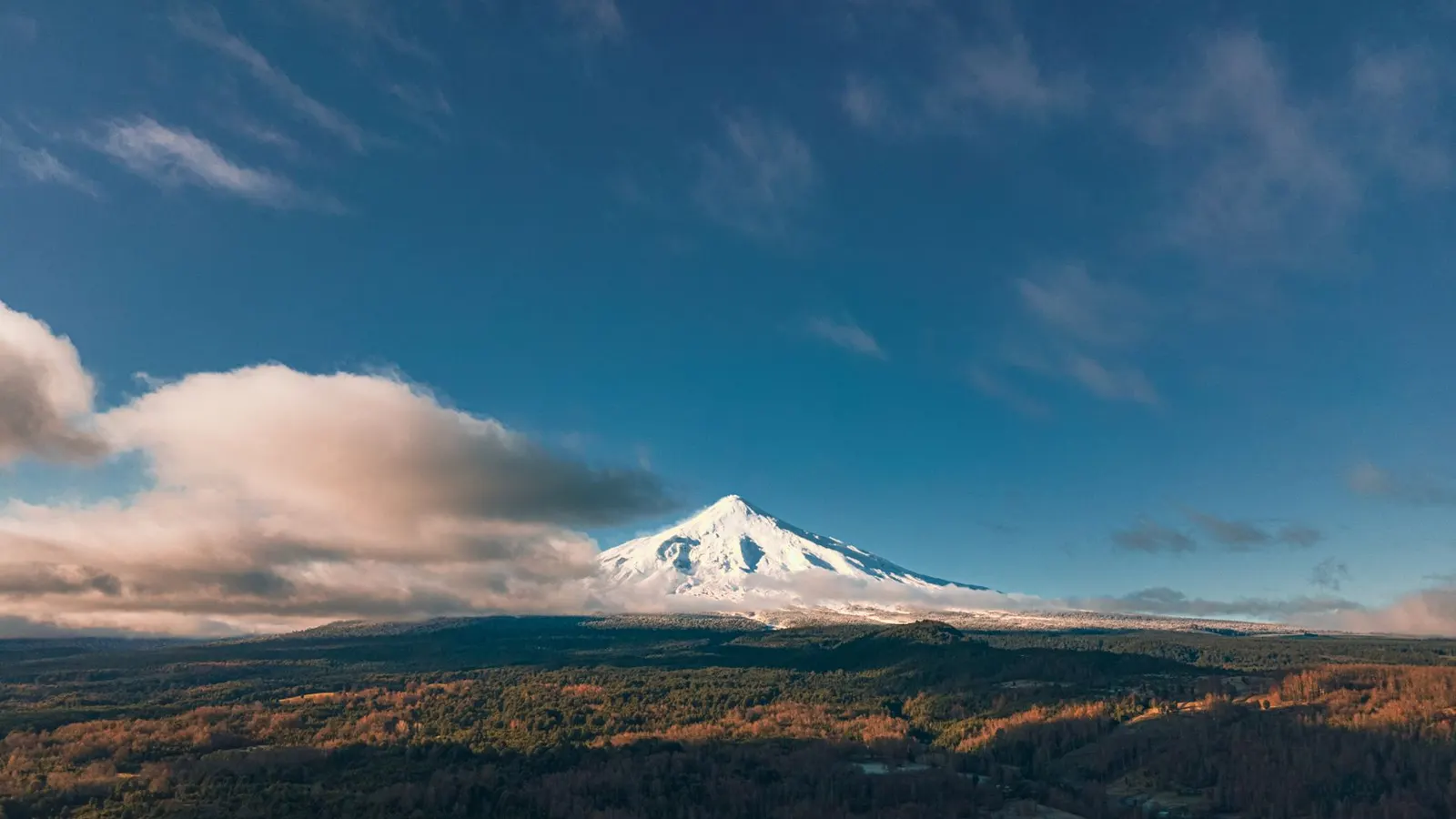
 Mau Torres V · Pexels License
Country Guide № 035 / 194 · South America
Chile
A 4,300 km sliver of everything - driest desert to bluest ice, one road between.
“A 4,300 km sliver of everything - driest desert to bluest ice, one road between.”
Chile averages 180 km wide and runs 4,300 km long, which makes it less a country than a transect: the driest desert on Earth in the north, Mediterranean vineyards in the middle, fjords and ice in the south, and the Andes as a constant right-hand wall. Nowhere else can you sandboard a dune and cross a glacier in the same week on the same airline.
It is also South America's most orderly country - buses leave on time, park infrastructure works, tap water is drinkable almost everywhere - and its priciest alongside Argentina. The play is to pick two of the three bands (Atacama, the center, Patagonia), fly between them, and give each more days than seems necessary. The wind in Patagonia is not a metaphor.
Chapter 01
Highlights
Torres del Paine
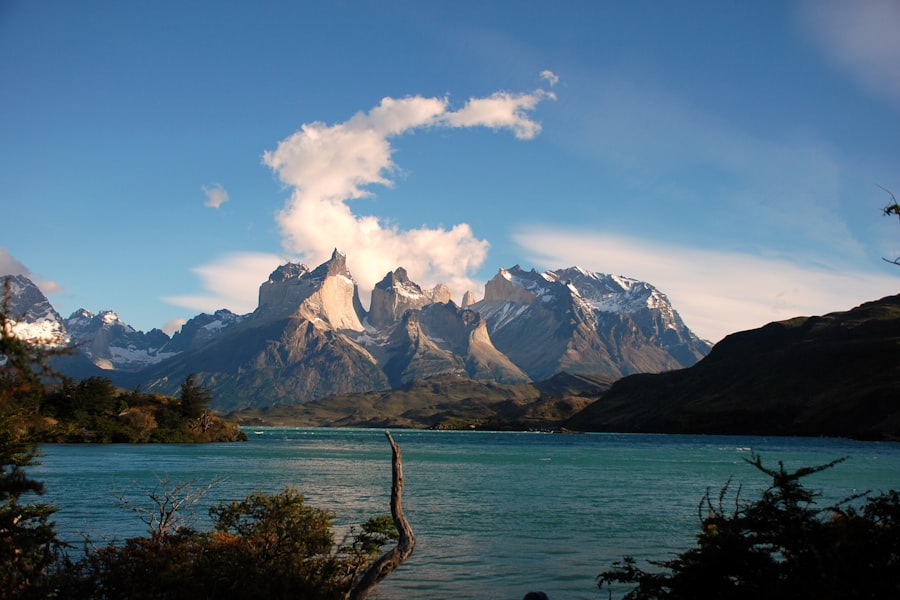
The granite towers above blue-green lakes are Patagonia's definitive image. The W trek takes 4–5 days; day-trippers get the Base Torres viewpoint. Book refugios months ahead.
Atacama Desert
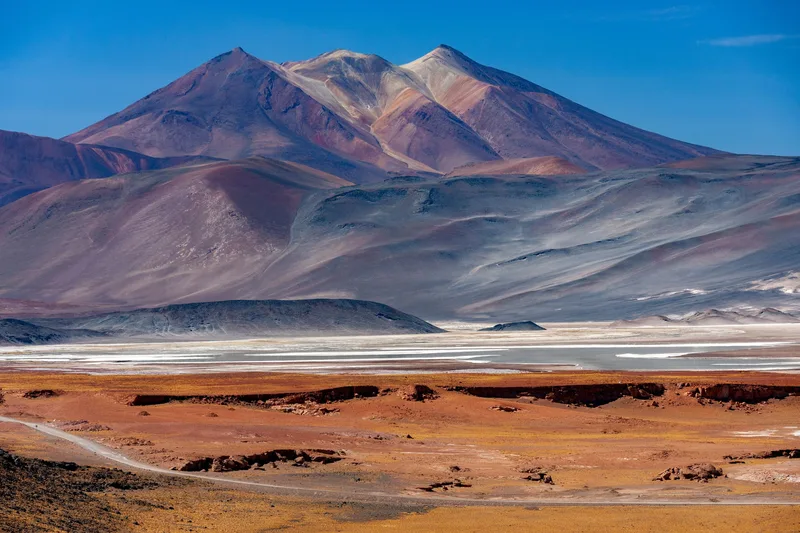
Valle de la Luna at sunset, flamingo salt flats, El Tatio geysers at dawn and the clearest night skies on Earth - San Pedro is the base for all of it.
Valparaíso
A broken-crockery port city of funiculars, murals and poets' houses stacked up 42 hills - grittier and better than the postcards, 90 minutes from Santiago.
Chiloé & the Lake District
Snow-cone volcanoes over lakes at Pucón, then the mist-and-myth island of Chiloé: palafitos on stilts, wooden UNESCO churches and curanto cooked in the ground.
Chapter 02
Entry requirements for Chile
Checking your passport…
up to 90 days · free entry
90 days on arrival
Before you fly
The detail
- Maximum stay
- up to 90 days
- Fee
- free entry
- Passport validity
- Most destinations want validity beyond your stay, and some want six months. Check yours against the return date.
- Onward travel
- Airlines may ask for a return or onward ticket at check-in.
- Health
- No vaccinations required; tap water is safe in nearly all of the country. The North's combination of altitude (Atacama tours reach 4,300 m at El Tatio) and extreme dryness deserves hydration discipline. UV is ferocious the whole length of the country - the ozone layer thins in the far south. Pharmacies are excellent; private clinics in Santiago are world-class and priced accordingly. Insurance non-negotiable for Patagonia trekking.
- Money
- Chilean pesos; cards and contactless dominate - Chile is functionally cashless in cities, though small Patagonian towns and trail kiosks still want efectivo. Foreign-paid accommodation is exempt from the 19 % IVA at many hotels when you pay in foreign currency/card and show the PDI entry slip - ask, it is real money. ATMs (Redbanc) charge €5–8 per withdrawal, so make them count.
United States passports enter Chile visa-free for 90 days, and there is nothing to arrange first - the US$160 reciprocity charge American arrivals once paid at Santiago airport was abolished in 2014 and any site still quoting it is out of date. The Policía de Investigaciones issues a Tarjeta de Turismo on arrival, on paper or as a digital receipt, and it is worth more than it looks: hotels need it to apply the exemption from the 19 per cent IVA on rooms paid in foreign currency, and you surrender it when you leave. A lost card is reissued at a PDI office or online, so report it before you reach the airport rather than at the desk. One 90-day extension costs roughly €90 through the Servicio Nacional de Migraciones; plenty of travellers cross to Argentina and back instead, which is legal but visibly relied upon and eventually questioned. The passport must be valid for the stay and airlines sometimes ask for onward travel at check-in. Chile’s agricultural inspection is the part Americans underestimate: fruit, meat, honey, seeds and nuts must be declared on the SAG form, and an undeclared apple draws an immediate fine in the hundreds of dollars. Easter Island is a separate permission - a Formulario Único de Ingreso completed before boarding, a return flight, a booking or a resident’s invitation, and a stay capped at 30 days.
Check another destination with this passport →
Entry details: Editorial synthesis - Servicio Nacional de Migraciones, Policía de Investigaciones entry guidance, Servicio Agrícola y Ganadero declaration rules, Ley 21.070 (Rapa Nui) (2025–2026) · compiled 18 Sept 2026
Who needs a visa for Chile
12 common passports| Passport | Requirement | Stay | Process |
|---|---|---|---|
| United States | Visa-free | up to 90 days | No process · €0 / $0 |
| United Kingdom | Visa-free | up to 90 days | No process · €0 / $0 |
| Germany | Visa-free | up to 90 days | No process · €0 / $0 |
| India | Visa required | - | No Other passports record yet |
| China | Visa required | - | No Other passports record yet |
| Brazil | Visa-free | up to 90 days | No Other passports record yet |
| Nigeria | Visa required | - | No Other passports record yet |
| Indonesia | Visa-free | up to 90 days | No Other passports record yet |
| Philippines | Visa required | - | No Other passports record yet |
| Vietnam | Visa-free | up to 90 days | No Other passports record yet |
| Egypt | Visa required | - | No Other passports record yet |
| Nepal | Visa required | - | No Other passports record yet |
Holding a passport that is not listed? The picker above answers for any of them. See where your passport takes you. Source: Passport Index, updated 14 Aug 2026.
Chapter 03
When to go
BestOct–Mar.
Peak Patagonia - book Torres del Paine refugios months ahead. Atacama in southern-summer stride.
The band above each month is our editorial verdict - it weighs crowds, prices and access as well as weather. The line is average daily temperature, the bars are monthly rainfall. Select a month for the figures. Climate figures: ERA5 reanalysis via Open-Meteo, 2005–2024 normals.
Chapter 04
What it costs
A day in Chile
Comfortable · sample day
≈ $92
Line items are real prices we track. The daily budget is an editorial estimate for this level, not their sum.
Where this sits among 244 countries we have costed
Patagonia is the swing factor: Torres del Paine refugios, Puerto Natales beds and transfers surge 30–50 % in the December–February peak and sell out regardless - the March shoulder buys the same trails cheaper and calmer. San Pedro de Atacama holds high prices year-round on captive demand. Santiago and the central valleys barely move, and winter (June–August) discounts everything except the ski resorts.
Updated Aug 2026 · Editorial synthesis - Budget Your Trip, CONAF/park published fees, hostel & bus fare listings (2025–2026) · confidence medium
Excludes international flights - they depend on where you fly from.
Chapter 05
Regions to know
5Atacama & the North
San Pedro's adobe base camp for Valle de la Luna, El Tatio geysers, altiplano lagoons and world-headquarters stargazing.
Santiago & the Central Valleys
The capital under the Andes, Valparaíso's painted hills 90 minutes away, and the Maipo and Colchagua wine valleys in between.
Lake District & Chiloé
Volcano climbs at Pucón, German-founded lake towns, and Chiloé's stilt houses, wooden churches and its own mythology.
Aysén & the Carretera Austral
A 1,240 km gravel road through fjord and rainforest - Marble Caves, Cerro Castillo, Queulat's hanging glacier - Patagonia before the crowds.
Magallanes & Torres del Paine
The far south: the Paine massif, Punta Arenas penguin colonies and boats to Cape Horn. Wind is the fifth season.
Chapter 06
Practical guide
Getting there
Santiago (SCL) has direct flights from Madrid, Paris, London and Rome - from Central Europe it is one stop via Madrid, 17–19 hours door to door. Overland, the Andes crossings from Mendoza (bus over the 3,200 m Los Libertadores pass) and the Uyuni–San Pedro jeep route from Bolivia are journeys worth taking in their own right.
Getting around
The country is a flight corridor: LATAM, Sky and JetSmart connect Santiago north to Calama (Atacama) and south to Puerto Natales/Punta Arenas from €50–70 booked ahead. Buses are the best on the continent - Turbus and Pullman full-cama overnighters make Santiago–Atacama (23 h) painless. In Patagonia, distances demand planning: book the Puerto Natales–Torres del Paine shuttles and ferries ahead in season.
Money & costs
Chilean pesos; cards and contactless dominate - Chile is functionally cashless in cities, though small Patagonian towns and trail kiosks still want efectivo. Foreign-paid accommodation is exempt from the 19 % IVA at many hotels when you pay in foreign currency/card and show the PDI entry slip - ask, it is real money. ATMs (Redbanc) charge €5–8 per withdrawal, so make them count.
Safety
Standard city care in Santiago and Valparaíso; keep daypacks in front on the metro and skip the empty hill streets in Valpo after dark. Nature is the real hazard profile: Patagonian weather can cycle four seasons in an hour (register treks, respect closures), altitude around San Pedro tops 4,000 m on tours, and earthquakes are routine - Chileans do not flinch below magnitude 6, follow their lead and know your hotel's evacuation route in coastal towns.
Health
No vaccinations required; tap water is safe in nearly all of the country. The North's combination of altitude (Atacama tours reach 4,300 m at El Tatio) and extreme dryness deserves hydration discipline. UV is ferocious the whole length of the country - the ozone layer thins in the far south. Pharmacies are excellent; private clinics in Santiago are world-class and priced accordingly. Insurance non-negotiable for Patagonia trekking.
SIM & internet
Entel has the best rural/Patagonia coverage, WOM the best prices; tourist SIMs and eSIMs are straightforward. 4G/5G is excellent in the populated corridor; expect nothing inside Torres del Paine (refugio wifi is paid and slow) and long dead stretches on the Carretera Austral. Download offline maps for Patagonia before Puerto Natales.
Chapter 07
Driving
The Carretera Austral is the great drive - much of it gravel (ripio), so book a high-clearance car, carry two spares south of Coyhaique, and reserve the ferries (Hornopirén, Puerto Yungay) days ahead in season. Patagonian crosswinds genuinely move vehicles.
Rules change - verify with an official source before you rent.
ExplWorld VerifiedNo verified partners here yet - all 6 country seats are open.
Become ExplWorld Verified →Chapter 08
Itineraries through this country
Chapter 09
From the Journal
Chapter 10
Before you go
ChileChapter 11
Frequently asked questions
Is Chile safe for travellers?
One of South America's safest countries. The exceptions are specific: pickpocketing and bag-snatching in central Santiago and Valparaíso (keep phones off café tables, mind the funicular queues), and occasional protest flare-ups around Plaza Baquedano - walk away, not toward. Patagonia and the Atacama are about as safe as travel gets.
When is the best time to visit?
November to March for Patagonia and the Lake District - that window is non-negotiable for Torres del Paine. The Atacama works year-round (nights drop below freezing in July). Santiago, Valparaíso and wine country are best in the shoulder springs and autumns: October–November and March–April.
How much does a day in Chile cost?
Around €85 per day mid-range - Chile and Argentina trade places as the continent's priciest. Backpackers need €40–45 (dorms ~€14, menú del día ~€7). Patagonia is the multiplier: Torres del Paine refugios, park fees (~€45) and transfers push those days well above average.