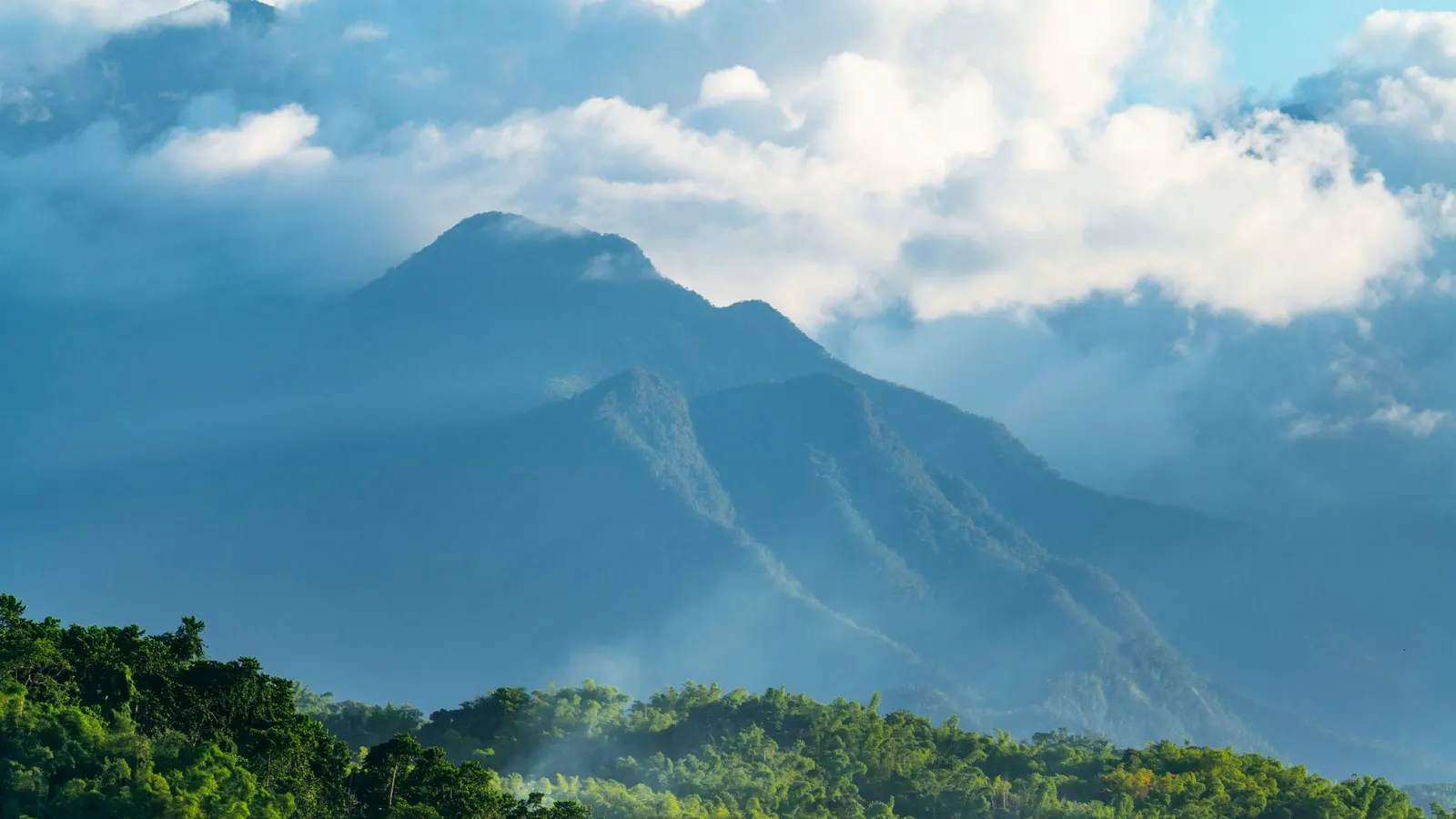
 Sean Witter · Pexels License
Country Guide № 083 / 194 · Caribbean
Jamaica
Reggae, Blue Mountain coffee and the Caribbean’s biggest personality.
“Reggae, Blue Mountain coffee and the Caribbean’s biggest personality.”
No island this size has exported more culture. Reggae, ska and dancehall were all born in Kingston’s yards; the world drinks Blue Mountain coffee and quotes Bob Marley; and the patois, the food and the sheer self-assurance of Jamaica travel far beyond its shores. The island itself outdoes the brochure - a green, mountainous interior that climbs to 2,256 m, waterfalls that drop straight into the sea, and a coast that changes character every hour of driving.
The trick is to treat the resorts as a landing strip, not a destination. Ride a route taxi, eat pan chicken off a street drum, sleep in Port Antonio where the Rio Grande meets the sea, and climb Blue Mountain Peak for sunrise above the cloud line. Jamaica rewards independent travel more than almost anywhere in the Caribbean - it just asks for a little street sense in return.
Chapter 01
Highlights
Blue Mountains sunrise
Start the peak hike at 2 a.m. from a coffee-farm lodge and watch dawn break over the whole island from 2,256 m - on clear mornings you can see Cuba.
Port Antonio & Portland
The Jamaica of the 1950s jet set, now blissfully quiet: the Blue Lagoon, Frenchman’s Cove, rafting the Rio Grande on bamboo, and jerk from its birthplace at Boston Bay.
Negril’s West End cliffs
Honeycombed limestone dropping into clear water - cliff-jumping by day, and the Caribbean’s most reliable sunset ritual at the cliff bars beyond Rick’s.
Kingston music heritage
The Bob Marley Museum in his former home, Trench Town Culture Yard, and studio tours that trace ska to dancehall - the capital is the island’s cultural engine room.
Chapter 02
Entry requirements for Jamaica
Checking your passport…
up to 180 days · free entry
180 days on arrival
Official portal only
Paid look-alike sites charge for a process that is free or cheap on the government portal. Use the link below and nothing else.
www.enterjamaica.gov.jm →Before you fly
The detail
- Maximum stay
- up to 180 days
- Fee
- free entry
- Passport validity
- Most destinations want validity beyond your stay, and some want six months. Check yours against the return date.
- Onward travel
- Airlines may ask for a return or onward ticket at check-in.
- Health
- No special vaccinations required; hepatitis A and typhoid are the standard recommendations. Dengue flares periodically - use repellent, especially in the wet months. Tap water is treated and generally safe in towns; many visitors still prefer bottled. The strong sun and strong rum punch combination fells more travellers than anything tropical - pace both.
- Money
- The Jamaican dollar trades around 165–170 to the euro; prices in tourist areas are often quoted in US dollars, but paying in JMD is usually the better rate. Cards work in supermarkets, hotels and proper restaurants; jerk drums, route taxis and market stalls run on cash. ATMs are everywhere in towns - use machines attached to banks and take out a few days’ worth at a time.
United States citizens need no visa for Jamaica and may stay up to six months in a year as visitors. The one job before flying is the C5, the combined immigration and customs declaration, which every arriving passenger completes regardless of age: it opens thirty days before arrival on the government's own site - enterjamaica.gov.jm, which is the same service long published at enterjamaica.com - and returns a confirmation to show on landing. It is free at either of those addresses. What is not free is the crop of unofficial sites that outrank both in search and charge twenty to a hundred dollars to type your answers into the same boxes, so start from the address here rather than from a search result. Do it a day or two before the flight rather than in the taxi. The period recorded here is the maximum the law allows rather than the one you will be given: the officer writes a date in the passport, usually the date of your return flight, and it is that written date you must not overstay. Immigration here asks for more than a passport: an onward or return ticket, an address for every night you are booked, and, where the officer is not satisfied, some evidence that you can pay for the stay. Those questions come at the desk rather than at the gate, and the answer that gets people turned round is that they will work it out when they arrive. Extensions are handled by the Passport, Immigration and Citizenship Agency in Kingston and Montego Bay, not at the airport. CARICOM is not a Schengen. It moves goods, capital and its own skilled nationals, and it creates no common visa, no common stamp and no common arrival form for visitors, so an island-hopping trip clears immigration from scratch every time it lands. The departure and security taxes these islands levy sit inside the air fare and are not an entry fee, but keep a little local cash back anyway for ferry departures and small-island counters, where they are still sometimes collected at a desk.
Check another destination with this passport →
Entry details: Editorial synthesis - Jamaica Passport, Immigration and Citizenship Agency, Jamaica Customs Agency electronic C5 declaration (2025–2026) · compiled 18 Sept 2026
Who needs a visa for Jamaica
12 common passports| Passport | Requirement | Stay | Process |
|---|---|---|---|
| United States | Visa-free | up to 180 days | No process · €0 / $0 |
| United Kingdom | Visa-free | - | No process · €0 / $0 |
| Germany | Visa-free | up to 90 days | No process · €0 / $0 |
| India | Visa-free | - | No Other passports record yet |
| China | Visa-free | up to 30 days | No Other passports record yet |
| Brazil | Visa-free | up to 90 days | No Other passports record yet |
| Nigeria | Visa required | - | No Other passports record yet |
| Indonesia | Visa required | - | No Other passports record yet |
| Philippines | Visa required | - | No Other passports record yet |
| Vietnam | Visa required | - | No Other passports record yet |
| Egypt | Visa required | - | No Other passports record yet |
| Nepal | Visa required | - | No Other passports record yet |
Holding a passport that is not listed? The picker above answers for any of them. See where your passport takes you. Source: Passport Index, updated 14 Aug 2026.
Chapter 03
When to go
BestDec–Apr. AvoidSep–Oct.
Peak season - dry, breezy, busy.
The band above each month is our editorial verdict - it weighs crowds, prices and access as well as weather. The line is average daily temperature, the bars are monthly rainfall. Select a month for the figures. Climate figures: ERA5 reanalysis via Open-Meteo, 2005–2024 normals.
Chapter 04
What it costs
A day in Jamaica
Comfortable · sample day
≈ $119
Line items are real prices we track. The daily budget is an editorial estimate for this level, not their sum.
Where this sits among 244 countries we have costed
Accommodation runs 30–50 % higher mid-December to mid-April, peaking over Christmas–New Year when the north-coast resorts sell out months ahead. May–June and November are the value shoulders; September–October bring the deepest discounts but the highest storm risk, and some hotels close for maintenance. Street food and transport barely move all year.
Updated Aug 2026 · Editorial synthesis - Budget Your Trip, Numbeo Kingston, Caribbean cost guides (2025–2026) · confidence medium
Excludes international flights - they depend on where you fly from.
Chapter 05
Regions to know
5Kingston & the Blue Mountains
The cultural capital - music heritage, galleries, pan chicken after dark - with coffee farms and the 2,256 m peak hike less than an hour above the city.
Portland & Port Antonio
The lush, quiet east: Blue Lagoon, Frenchman’s Cove, bamboo rafting on the Rio Grande and jerk at its Boston Bay birthplace. Jamaica’s best-kept corner.
Negril & the west
Seven Mile Beach for the postcard, the West End cliffs for the character - snorkelling, cliff bars and the island’s definitive sunsets.
Montego Bay & the north coast
The resort heartland running east to Ocho Rios - Dunn’s River Falls, river tubing and the cruise crowds; easiest logistics, biggest crowds.
Treasure Beach & the south
Fishing villages, community-run guesthouses and boat trips to the Pelican Bar - a stilt pub on a sandbar a kilometre out to sea. The anti-resort coast.
Chapter 06
Practical guide
Getting there
Montego Bay (MBJ) is the main gateway - direct from London (British Airways, Virgin Atlantic), plus dense US service from Miami, New York, Atlanta and Charlotte; Kingston (KIN) suits the east. From Central Europe count on one stop via London (no US transit paperwork) or a US hub (ESTA required even for transit). Jamaica’s online C5 immigration/customs form can be filled at enterjamaica.com before you fly and speeds up arrival.
Getting around
Shared route taxis (red licence plates, set routes, a euro or so a hop) are the national transit system - flag them anywhere. Knutsford Express runs comfortable air-conditioned coaches between all main towns and is the sane way to cross the island. Rent a car for Portland and the south coast where routes thin out; drive on the left. In towns use licensed taxis or ride apps rather than unmarked cars at night.
Money & costs
The Jamaican dollar trades around 165–170 to the euro; prices in tourist areas are often quoted in US dollars, but paying in JMD is usually the better rate. Cards work in supermarkets, hotels and proper restaurants; jerk drums, route taxis and market stalls run on cash. ATMs are everywhere in towns - use machines attached to banks and take out a few days’ worth at a time.
Safety
Violent crime is real but heavily localised - inner-city Kingston, Spanish Town and parts of Montego Bay account for most of it, and states of emergency are periodically declared for specific parishes. On the tourist circuit the main annoyances are persistent hustling and drug offers: a firm, good-humoured “no” works. Use licensed taxis after dark, keep valuables out of sight on beaches, and skip deserted beaches at night.
Health
No special vaccinations required; hepatitis A and typhoid are the standard recommendations. Dengue flares periodically - use repellent, especially in the wet months. Tap water is treated and generally safe in towns; many visitors still prefer bottled. The strong sun and strong rum punch combination fells more travellers than anything tropical - pace both.
SIM & internet
Digicel and Flow share the island; a tourist SIM or eSIM with 10–20 GB costs €10–15 with a passport. LTE covers the whole coastal ring and Kingston well; the Blue Mountains and Cockpit Country are patchy - download maps offline before heading inland. Hotel and café wifi is widespread and decent.
Chapter 07
Driving
Drive on the left. Coastal roads are decent, interior roads potholed and narrow; overtaking culture is aggressive and route taxis stop without warning. The North–South toll highway turns the Kingston–Ocho Rios crossing into 90 minutes.
Rules change - verify with an official source before you rent.
ExplWorld VerifiedNo verified partners here yet - all 6 country seats are open.
Become ExplWorld Verified →Chapter 08
Itineraries through this country
Chapter 09
From the Journal
Chapter 10
Before you go
JamaicaChapter 11
Frequently asked questions
Is Jamaica safe for independent travellers?
Mostly yes, with judgement. Jamaica’s high murder rate is concentrated in specific inner-city districts of Kingston, Spanish Town and Montego Bay that tourists have no reason to enter; the coastal corridors, Portland and the south coast feel relaxed. Use licensed or app taxis at night, don’t wander unlit streets, be firm but friendly with hustlers, and check current advisories - the government periodically declares states of emergency in specific parishes.
When is the best time to visit Jamaica?
December to April: dry, breezy and busy, with peak prices around Christmas and Easter. May and November are good-value shoulders. June to November is hurricane season - often fine for weeks at a stretch, but September and October carry the highest storm risk and some hotels use them for maintenance closures.
How much does a day in Jamaica cost?
Around €110 (≈ $120) a day mid-range: €60–70 for your half of a double room, €25 on food mixing jerk shacks with a restaurant dinner, the rest on route taxis and an activity. Backpackers manage on €55 (≈ $59) using guesthouses and street food; all-inclusive resort travel runs far higher.