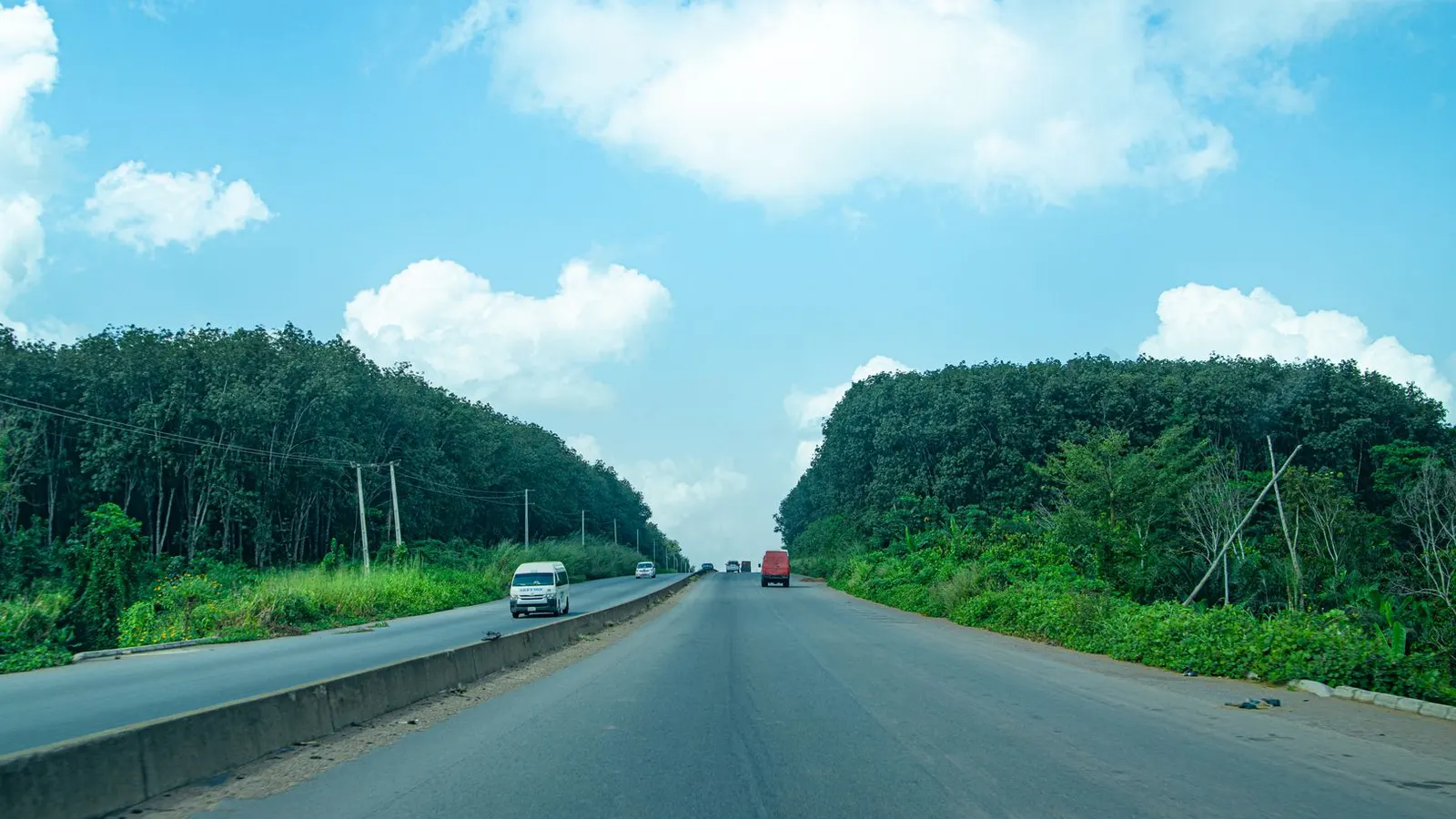
 David Iloba · Pexels License
Country Guide № 125 / 194 · Africa
Nigeria
Africa's largest economy, loudest music scene and most demanding first visit.
“Africa's largest economy, loudest music scene and most demanding first visit.”
Nigeria has more people than any other African country and produces the music, film and literature that the rest of the continent consumes. Lagos alone runs to something over twenty million people and generates afrobeats, Nollywood and an art scene with real international weight. The energy is the attraction and the exhaustion in equal measure.
It is not casual travel. Visas require paperwork, several regions carry serious security advisories - the northeast, the northwest, parts of the middle belt and the Niger Delta - and Lagos traffic can consume half a day. Most visitors come for work, family or a specific event: Calabar carnival in December, Osun-Osogbo in August, Lagos art week in November. Go with a local contact, plan around the advisories, and the reward is a country nothing prepares you for.
Chapter 01
Highlights
Lagos
Nike Art Gallery, the Lekki conservation centre boardwalk, Freedom Park and the New Afrika Shrine where Femi Kuti still plays. The nightlife on the island runs late and is the real reason many people come.
Osun-Osogbo Sacred Grove
UNESCO-listed forest along the Osun river filled with shrines and Susanne Wenger's sculptures, and the last intact sacred grove of its kind. The annual festival in August draws worshippers from across the Yoruba diaspora.
Calabar carnival
Africa's biggest street party, running through December in Cross River state, with costumed bands competing over several days. The nearby Afi Mountain drill sanctuary makes an easy add-on.
Yankari and Jos Plateau
Yankari's warm springs and elephant herds in Bauchi, and the cooler plateau around Jos. Both sit close to areas with active advisories - check current guidance before committing.
Chapter 02
Entry requirements for Nigeria
Checking your passport…
up to 90 days · €150 / $162 · e-visa
90 days on arrival
Official portal only
Paid look-alike sites charge for a process that is free or cheap on the government portal. Use the link below and nothing else.
portal.immigration.gov.ng →Before you fly
The detail
- Maximum stay
- up to 90 days
- Process
- e-visa
- Fee
- €150 / $162
- Processing time
- Processing takes 2–10 days - apply with room to spare.
- Passport validity
- Most destinations want validity beyond your stay, and some want six months. Check yours against the return date.
- Onward travel
- Airlines may ask for a return or onward ticket at check-in.
- Health
- A yellow fever certificate is mandatory for entry. Malaria is year-round and nationwide. Cholera outbreaks recur. Lagos and Abuja have good private hospitals; elsewhere facilities are limited. Comprehensive evacuation insurance is essential.
- Money
- Naira, mostly by card in the big cities and by cash everywhere else. Transfers via bank apps are the local default. Bring US dollars in cash as a fallback; change at a bank, not on the street.
Nigeria rebuilt its visa system in 2025 and an American passport no longer goes near a consulate for a tourist trip: the application is completed end to end on the Nigeria Immigration Service portal, the letter of invitation from a host in Nigeria that used to hold up every tourist file is not required for the tourist category, and the service works to a two-day target - allow up to ten working days anyway, because a target is not a guarantee and a query on your documents restarts the clock. Upload the passport bio page, a photograph and your accommodation and return-flight details, and pay on the portal. Nigeria prices its visas by reciprocity rather than from a single tariff, and an American passport sits at the top of that scale; the figure stored here is an indicative single-entry total including the portal’s processing charge, so take the number the portal itself quotes as the real one. A yellow fever certificate is compulsory for entry and is checked at the airline gate as well as at the border. Since the same reform every arriving and departing traveller must also complete the electronic landing and exit cards - free, on the immigration service’s own site, a form rather than a permission, and anyone charging you for it is selling nothing. Single-entry tourist visas are normally written for 90 days, and an overstay is billed as a daily fine collected at the airport on the way out.
Check another destination with this passport →
Entry details: Editorial synthesis - Nigeria Immigration Service e-visa scheme and portal, Federal Ministry of Interior visa reform announcements (2025–2026) · compiled 18 Sept 2026
Who needs a visa for Nigeria
11 common passports| Passport | Requirement | Stay | Process |
|---|---|---|---|
| United States | e-Visa | - | e-Visa · €150 / $162 · 2–10 d |
| United Kingdom | e-Visa | - | e-Visa · €150 / $162 · 2–10 d |
| Germany | e-Visa | - | e-Visa · €150 / $162 · 2–10 d |
| India | e-Visa | - | e-Visa · €150 / $162 · 2–10 d |
| China | e-Visa | - | e-Visa · €150 / $162 · 2–10 d |
| Brazil | e-Visa | - | e-Visa · €150 / $162 · 2–10 d |
| Indonesia | e-Visa | - | e-Visa · €150 / $162 · 2–10 d |
| Philippines | e-Visa | - | e-Visa · €150 / $162 · 2–10 d |
| Vietnam | e-Visa | - | e-Visa · €150 / $162 · 2–10 d |
| Egypt | e-Visa | - | e-Visa · €150 / $162 · 2–10 d |
| Nepal | e-Visa | - | e-Visa · €150 / $162 · 2–10 d |
Holding a passport that is not listed? The picker above answers for any of them. See where your passport takes you. Source: Passport Index, updated 15 Aug 2026.
Chapter 03
When to go
BestNov–Feb. AvoidMay–Jul, September.
Dry season; harmattan haze in the north.
The band above each month is our editorial verdict - it weighs crowds, prices and access as well as weather. The line is average daily temperature, the bars are monthly rainfall. Select a month for the figures. Climate figures: ERA5 reanalysis via Open-Meteo, 2005–2024 normals.
Chapter 04
What it costs
A day in Nigeria
Comfortable · sample day
≈ $108
Line items are real prices we track. The daily budget is an editorial estimate for this level, not their sum.
Where this sits among 244 countries we have costed
December - "Detty December" - is the single most expensive month in Lagos, with hotel rates and event tickets multiplying.
Updated Aug 2026 · Editorial synthesis - market price sampling and published tariffs (2025–2026) · confidence low
Excludes international flights - they depend on where you fly from.
Chapter 05
Regions to know
5Lagos
The megacity - island nightlife, mainland markets, art galleries, beaches at Elegushi and Tarkwa Bay.
Abuja and the centre
The planned capital, Aso Rock, Zuma Rock on the Kaduna road and the Gurara falls to the west.
The Yoruba southwest
Ibadan, Oyo, Abeokuta's Olumo Rock and the Osun-Osogbo sacred grove.
The southeast and Cross River
Calabar and its carnival, Obudu mountain resort, Afi drill sanctuary and the rainforest belt.
The Jos Plateau
Cooler upland country with the Nok terracotta heritage and Yankari's springs to the northeast - check advisories first.
Chapter 06
Practical guide
Getting there
Lagos Murtala Muhammed and Abuja Nnamdi Azikiwe both take intercontinental flights - British Airways, Lufthansa, Air France, KLM, Turkish, Qatar, Ethiopian, Delta and United among them. Arrive with your accommodation address and host contact written down.
Getting around
Domestic flights are the sane way to cover distance - Air Peace, Ibom Air and Arik link the main cities cheaply. Within Lagos, use Bolt or Uber rather than street taxis, and budget hours rather than minutes for any cross-city trip. The Lagos rail lines have begun to help.
Money & costs
Naira, mostly by card in the big cities and by cash everywhere else. Transfers via bank apps are the local default. Bring US dollars in cash as a fallback; change at a bank, not on the street.
Safety
The main urban risks are armed robbery, carjacking in traffic and phone theft; kidnapping for ransom is a real risk on some intercity roads. Do not drive between cities after dark, do not use unbooked taxis, and follow local advice on which routes are currently fine. Regional advisories are serious and should be treated as binding.
Health
A yellow fever certificate is mandatory for entry. Malaria is year-round and nationwide. Cholera outbreaks recur. Lagos and Abuja have good private hospitals; elsewhere facilities are limited. Comprehensive evacuation insurance is essential.
SIM & internet
MTN, Airtel, Glo and 9mobile; SIM registration requires passport and often a local address, and can take time. 4G and 5G are good in Lagos and Abuja. Power cuts are constant - carry a large power bank.
Chapter 07
Driving
Self-driving is not advised. Almost every visitor uses a car with a driver. Traffic in Lagos is severe, road discipline is nominal, and intercity night driving carries genuine security risk.
Rules change - verify with an official source before you rent.
ExplWorld VerifiedNo verified partners here yet - all 6 country seats are open.
Become ExplWorld Verified →Chapter 08
Itineraries through this country
Chapter 09
From the Journal
Chapter 10
Before you go
NigeriaChapter 11
Frequently asked questions
Which parts of Nigeria should I avoid?
Governments consistently advise against all travel to Borno, Yobe and Adamawa in the northeast, and against travel to much of the northwest - Zamfara, Katsina, Kaduna, Sokoto - plus parts of the middle belt and the Niger Delta creeks. Lagos, Abuja, Calabar and the southwest are where visitors normally go. Read the current advisory in detail: the map changes.
How hard is the visa?
It takes preparation. Most nationalities need one in advance through the official portal, with a letter of invitation from a Nigerian host or company, proof of accommodation, a return ticket and a payment receipt. Visa on arrival exists for business travellers with pre-approval but is not a tourist route. Start six to eight weeks out.
What about money and cards?
The naira was floated in 2023 and lost a great deal of value, so quoted prices age fast. Cards work in Lagos and Abuja hotels, malls and restaurants far better than in most of the region; ATMs are plentiful but have low withdrawal caps and often decline foreign cards. Bring dollars as backup and change through a bank.