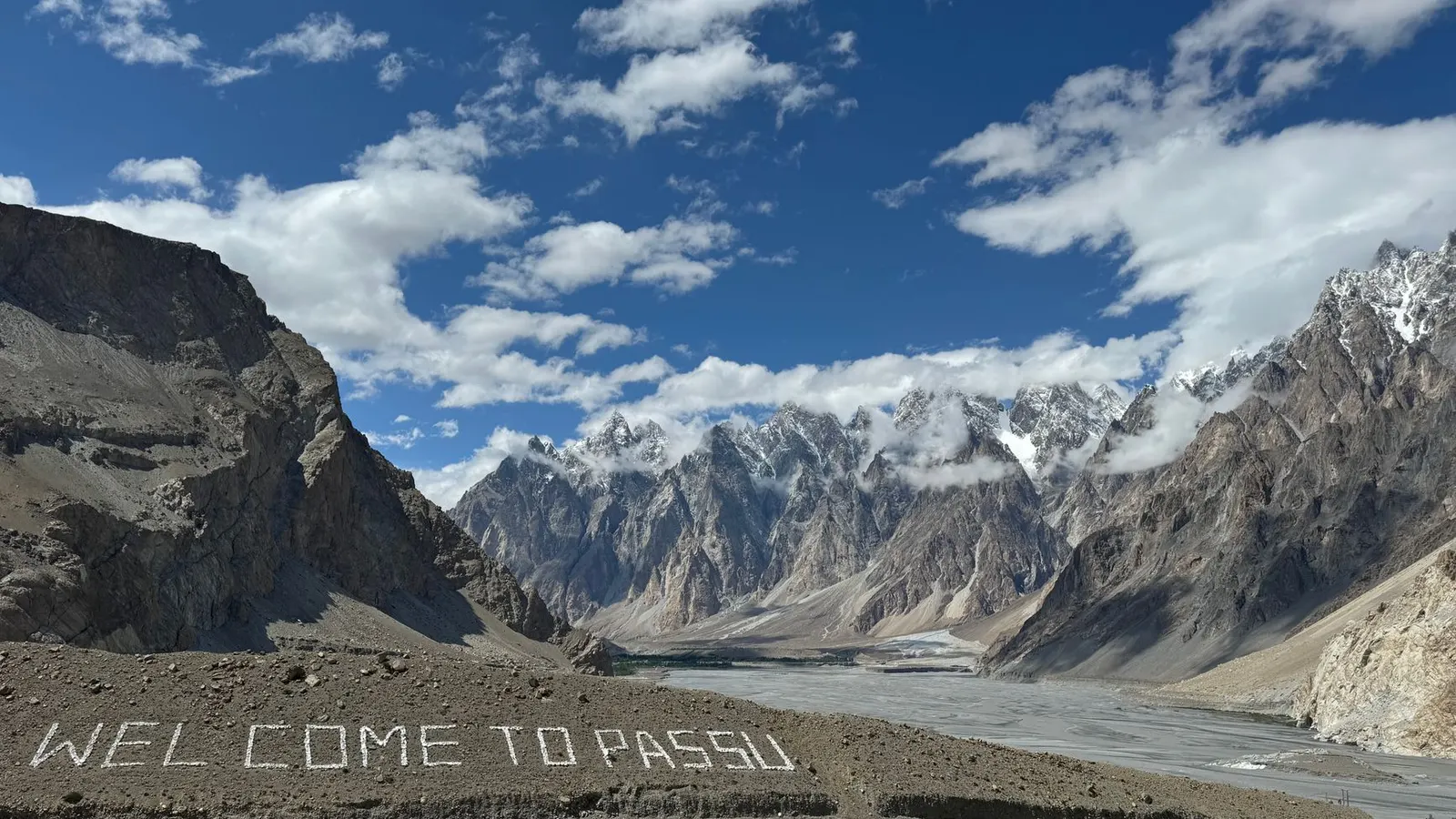
 Jahanzaib Khan · Pexels License
Country Guide № 130 / 194 · Asia
Pakistan
Five of the world's fourteen 8,000-metre peaks, and a highway that runs past them.
Advisory - travel not recommended · checked 26 Sept 2026
Foreign ministries advise against travel to Balochistan, Khyber Pakhtunkhwa and the areas near the Afghan and Indian borders. The rest of the country - Islamabad, Lahore, the Karakoram Highway in season - is visited routinely, so read the regional detail rather than the headline.
Official advisory →Every advisory in force →“Five of the world's fourteen 8,000-metre peaks, and a highway that runs past them.”
Pakistan holds mountain terrain that has no equal: K2 and four other 8,000-metre peaks, the Karakoram Highway climbing to the Chinese border at 4,700 metres, and valleys - Hunza, Skardu, Chitral - that draw the small number of travellers who make it here into coming back. Below the mountains sit Lahore's Mughal monuments, Mohenjo-daro's Bronze Age streets and the Sufi shrines of Sindh.
The regional picture is what shapes any plan. Foreign ministries advise against travel to Balochistan, Khyber Pakhtunkhwa outside the main valleys, and the areas near the Afghan and Indian borders. The northern areas that most visitors come for - Gilgit-Baltistan and Hunza - are visited routinely and are not the places the advisories are about. Read the map, not the headline, and re-read it close to departure.
Chapter 01
Highlights
The Karakoram Highway
From Islamabad to the Khunjerab Pass at 4,693 metres - the highest paved border crossing in the world - past Nanga Parbat and through the Hunza valley. One of the great drives on earth.
Hunza and Baltit
Terraced valleys under Rakaposhi and Ultar Sar, with the restored Baltit and Altit forts. Apricot blossom in April, autumn colour in October, and a valley culture unlike the rest of the country.
Lahore
The Badshahi Mosque, the fort, the Shalimar Gardens and the walled city - the densest Mughal architecture outside Delhi, and the best food in Pakistan.
K2 Base Camp trek
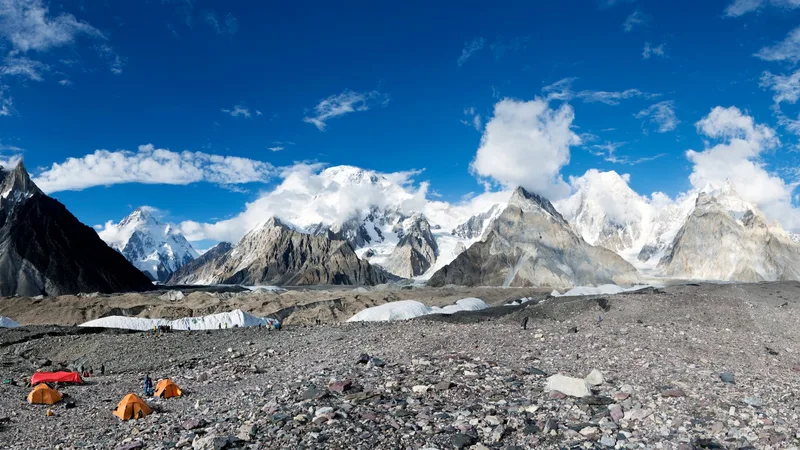
Two weeks up the Baltoro glacier past Trango Towers to Concordia, where four 8,000-metre peaks stand within sight of each other. A serious expedition requiring a licensed operator and a permit.
Chapter 02
Entry requirements for Pakistan
Advisory - travel not recommended · checked 26 Sept 2026
Foreign ministries advise against travel to Balochistan, Khyber Pakhtunkhwa and the areas near the Afghan and Indian borders. The rest of the country - Islamabad, Lahore, the Karakoram Highway in season - is visited routinely, so read the regional detail rather than the headline.
Official advisory →Every advisory in force →Checking your passport…
up to 90 days · €55 / $59 · e-visa
90 days on arrival
Official portal only
Paid look-alike sites charge for a process that is free or cheap on the government portal. Use the link below and nothing else.
visa.nadra.gov.pk →Before you fly
The detail
- Maximum stay
- up to 90 days
- Process
- e-visa
- Fee
- €55 / $59
- Processing time
- Processing takes 7–15 days - apply with room to spare.
- Passport validity
- Most destinations want validity beyond your stay, and some want six months. Check yours against the return date.
- Onward travel
- Airlines may ask for a return or onward ticket at check-in.
- Arrival form
- E-visa approval letter, printed, plus any hotel bookings the application referenced.
- Health
- Hepatitis A, typhoid and tetanus are standard; rabies and Japanese encephalitis for rural stays; polio vaccination is required for some travellers on departure, as Pakistan remains one of the last endemic countries - carry proof. Malaria risk in the lowlands, dengue in cities during and after the monsoon. Altitude matters throughout the north. Do not drink tap water. Good private hospitals exist in the major cities; the north has very little, and evacuation from a trek means a helicopter and a deposit.
- Money
- Cash dominates. ATMs in cities and larger towns accept foreign cards with fees; in the north they are scarce and run dry, so carry rupees up the Karakoram Highway. Cards work at upmarket hotels and restaurants in Islamabad, Lahore and Karachi. The rupee has been volatile, so older price data is unreliable. Bargaining is normal in bazaars.
What changed
Apply for the tourist e-visa on the government portal at visa.nadra.gov.pk before travelling - about US$60 at the time of writing, seven to fifteen working days in practice, and 90 days in the country once you arrive. The application wants hotel bookings or an invitation, a return ticket, a photograph and a passport with six months of validity. Pakistan has announced faster arrangements more than once, including a visa-free tourist scheme for a long list of countries announced in early 2025, and has revised them more than once as well; at the time of writing the e-visa is the route that reliably works, and anything quicker should be confirmed by the authority itself or by a tour operator in writing rather than by an agency’s website. Entry is not access: No Objection Certificates are required for restricted zones, including parts of Gilgit-Baltistan near the frontiers and much of Balochistan, and trekking or climbing above certain altitudes goes through a licensed operator with its own permit. Travellers staying more than four weeks are sometimes asked for proof of polio vaccination on departure, which is easier to arrange at home than at an airport.
Check another destination with this passport →
Entry details: Editorial synthesis - NADRA e-visa portal, Pakistani Ministry of Interior visa policy announcements (2025–2026) · compiled 17 Sept 2026
Who needs a visa for Pakistan
12 common passports| Passport | Requirement | Stay | Process |
|---|---|---|---|
| United States | e-Visa | - | e-Visa · €55 / $59 · 7–15 d |
| United Kingdom | e-Visa | - | e-Visa · €55 / $59 · 7–15 d |
| Germany | e-Visa | - | e-Visa · €55 / $59 · 7–15 d |
| India | Visa required | - | e-Visa · €55 / $59 · 7–15 d |
| China | e-Visa | - | e-Visa · €55 / $59 · 7–15 d |
| Brazil | e-Visa | - | e-Visa · €55 / $59 · 7–15 d |
| Nigeria | e-Visa | - | e-Visa · €55 / $59 · 7–15 d |
| Indonesia | e-Visa | - | e-Visa · €55 / $59 · 7–15 d |
| Philippines | e-Visa | - | e-Visa · €55 / $59 · 7–15 d |
| Vietnam | e-Visa | - | e-Visa · €55 / $59 · 7–15 d |
| Egypt | e-Visa | - | e-Visa · €55 / $59 · 7–15 d |
| Nepal | Visa-free | up to 30 days | e-Visa · €55 / $59 · 7–15 d |
Holding a passport that is not listed? The picker above answers for any of them. See where your passport takes you. Source: Passport Index, updated 14 Aug 2026.
Chapter 03
When to go
BestApr–Jun, Sep–Oct.
Apricot and cherry blossom in Hunza - the most beautiful weeks in the north.
The band above each month is our editorial verdict - it weighs crowds, prices and access as well as weather. The line is average daily temperature, the bars are monthly rainfall. Select a month for the figures. Climate figures: ERA5 reanalysis via Open-Meteo, 2005–2024 normals.
Chapter 04
What it costs
A day in Pakistan
Comfortable · sample day
≈ $43
Line items are real prices we track. The daily budget is an editorial estimate for this level, not their sum.
Where this sits among 244 countries we have costed
Northern guesthouse prices rise sharply from June to September and over the blossom weeks in April, when domestic tourism from the plains fills Hunza and Skardu. Winter empties the north entirely and many places close. The rupee has depreciated substantially in recent years, which makes euro-denominated costs lower than older sources suggest and local prices higher than residents remember.
Updated Aug 2026 · Editorial synthesis - operator and guesthouse quotations, PIA published fares, Budget Your Trip (2025–2026) · confidence medium
Excludes international flights - they depend on where you fly from.
Chapter 05
Regions to know
5Gilgit-Baltistan
Hunza, Skardu and the Karakoram - the 8,000-metre peaks, the highway to China and the country's main draw.
Punjab
Lahore's Mughal monuments and food, the Rohtas fort and the Buddhist ruins at Taxila near Islamabad.
Khyber Pakhtunkhwa
Swat and Kalash valleys, Peshawar's old city and the Gandhara heritage - beautiful, and subject to regional advisories.
Sindh
Karachi, Mohenjo-daro's Bronze Age city, the Sufi shrine at Sehwan and the necropolis at Makli.
Balochistan
The Makran coast and the Hingol badlands. Under standing advisories against travel across most of the province.
Chapter 06
Practical guide
Getting there
Islamabad (ISB), Lahore (LHE) and Karachi (KHI) take flights from the Gulf, Istanbul and a handful of European cities; most European travellers connect through Doha, Dubai or Istanbul. The Wagah border with India opens and closes with the political weather and should not be planned on. The Khunjerab Pass into China is open seasonally, roughly May to November, and needs a Chinese visa arranged in advance.
Entry formalities
E-visa approval letter, printed, plus any hotel bookings the application referenced.
Getting around
Domestic flights save days but the Gilgit and Skardu routes fly on visual rules and cancel frequently - always have a road fallback and a spare day. Motorway coaches between the big cities are genuinely good. In the north, a hired 4×4 with driver runs €70–100 a day and is the practical way to cover the valleys. Trains are slow and much loved. Ride-hailing (Careem, InDrive) works in the cities.
Money & costs
Cash dominates. ATMs in cities and larger towns accept foreign cards with fees; in the north they are scarce and run dry, so carry rupees up the Karakoram Highway. Cards work at upmarket hotels and restaurants in Islamabad, Lahore and Karachi. The rupee has been volatile, so older price data is unreliable. Bargaining is normal in bazaars.
Safety
This is where the regional split matters most. Terrorism risk is concentrated in Balochistan, Khyber Pakhtunkhwa and the border areas, and sectarian violence occurs periodically. The northern valleys are not those places, and travellers move around them freely. Elsewhere: avoid demonstrations, keep a low profile, register with your embassy, and use a local fixer or agency for anything outside the standard routes. Road accidents and mountain weather are the everyday risks in the north. Women travellers should expect significant attention and dress conservatively.
Health
Hepatitis A, typhoid and tetanus are standard; rabies and Japanese encephalitis for rural stays; polio vaccination is required for some travellers on departure, as Pakistan remains one of the last endemic countries - carry proof. Malaria risk in the lowlands, dengue in cities during and after the monsoon. Altitude matters throughout the north. Do not drink tap water. Good private hospitals exist in the major cities; the north has very little, and evacuation from a trek means a helicopter and a deposit.
SIM & internet
Jazz, Zong and Telenor SIMs require passport registration and, for foreigners, sometimes a visit to a franchise centre. Coverage is good in cities and along the Karakoram Highway, absent on treks. Mobile data has been suspended during periods of political unrest and around some events - do not plan on uninterrupted connectivity. Wifi in hotels is common and slow.
Chapter 07
Driving
The motorways between the big cities are excellent. The Karakoram Highway is spectacular and demanding, with landslide closures, unlit tunnels and long drops - hire a driver who knows it rather than driving it yourself.
Rules change - verify with an official source before you rent.
ExplWorld VerifiedNo verified partners here yet - all 6 country seats are open.
Become ExplWorld Verified →Chapter 08
Itineraries through this country
Chapter 09
From the Journal
Chapter 10
Before you go
PakistanChapter 11
Frequently asked questions
Where exactly do the advisories apply?
Broadly: Balochistan, most of Khyber Pakhtunkhwa outside the main tourist valleys, the former tribal areas, and the immediate Afghan and Indian border zones. The northern areas - Gilgit-Baltistan, Hunza, Skardu - plus Islamabad and Lahore are visited regularly by foreign travellers. Advisories are written by region for a reason; check yours by province and update it close to departure, because the picture changes.
Do I need a guide or a police escort?
It varies by province and changes. Some areas require a No Objection Certificate, some assign a police escort to foreigners as a matter of routine (Sindh and parts of Punjab have done so at various times), and trekking in restricted zones requires a licensed operator and permits. A local agency saves an enormous amount of friction here even when a guide is not formally required.
How do people actually travel here?
Domestic flights between Islamabad, Lahore, Karachi, Gilgit and Skardu - the mountain routes are weather-dependent and cancel often, so build slack. Long-distance coaches (Daewoo, Faisal Movers) on the motorway network are comfortable and cheap. In the north, hired 4×4s with a driver are the norm. The train network is extensive, slow and an experience in itself.