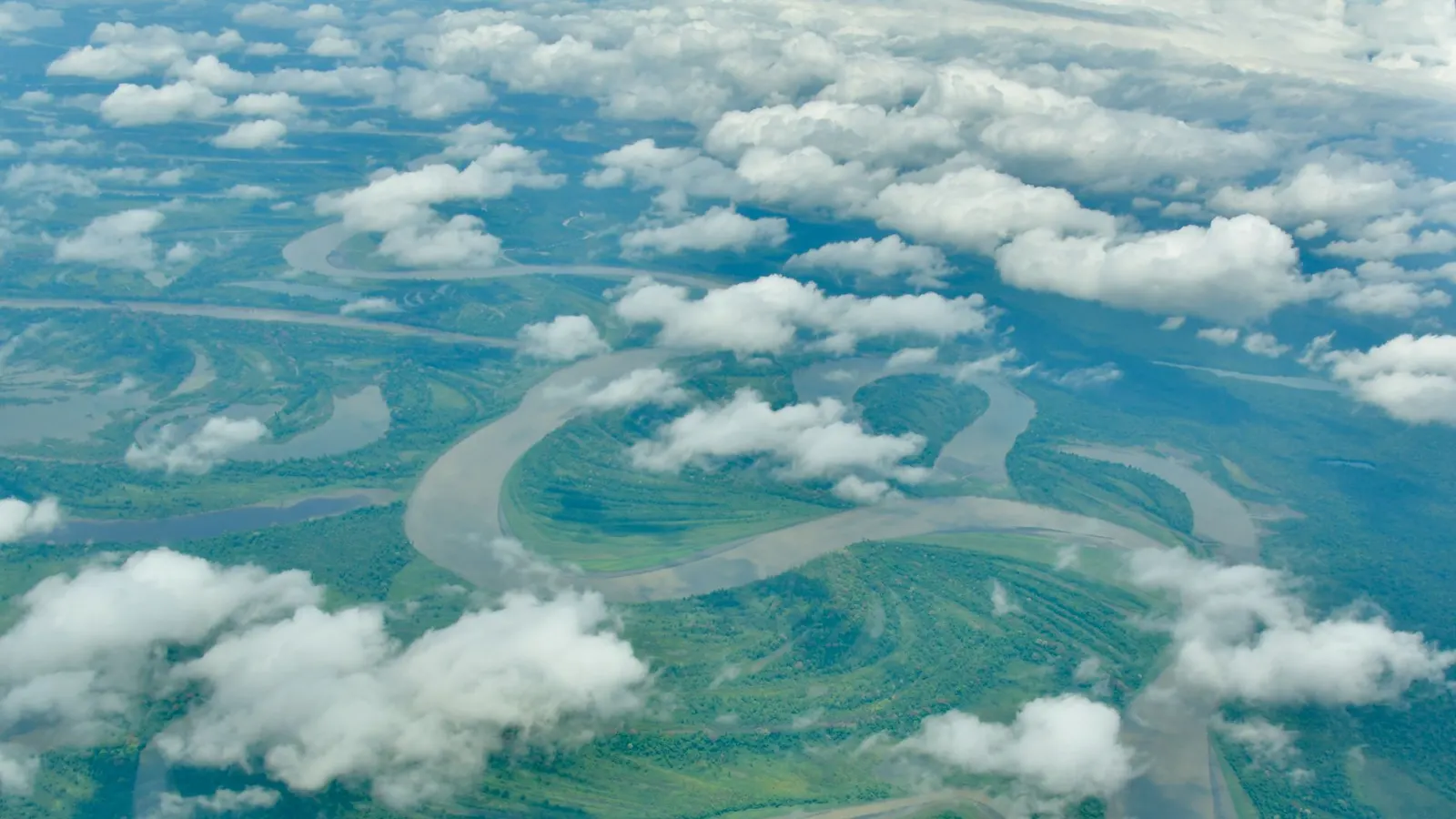
 Airlangga Jati · Pexels License
Country Guide № 133 / 194 · Oceania
Papua New Guinea
Over 800 languages, the Kokoda Track and highland sing-sings.
“Over 800 languages, the Kokoda Track and highland sing-sings.”
Papua New Guinea has more than 800 living languages - around a eighth of all languages on earth in a country of about ten million people - because the terrain divided communities so completely that neighbouring valleys developed separately for millennia. The highland sing-sings, where clans gather in full body paint and bird-of-paradise plumes, are the most visually extraordinary cultural events in the Pacific, and the Goroka and Mount Hagen shows in August and September are when most visitors come.
It is also hard travel. Roads barely connect the country - Port Moresby is not linked by road to Lae or the highlands - so internal flights are essential and expensive. Crime in Port Moresby and Lae is a genuine and well-documented problem, tribal conflict flares in parts of the highlands, and most visitors move with local hosts or operators. The compensation is the Kokoda Track, world-class wreck and reef diving in Kimbe and Milne Bay, and cultures that have not been packaged.
Chapter 01
Highlights
The highland sing-sings
Goroka in September and Mount Hagen in August bring together dozens of clans in body paint, shells and bird-of-paradise plumes. These began as post-war gatherings to defuse tribal conflict and remain primarily for the participants.
The Kokoda Track
A 96-kilometre trek over the Owen Stanley Range following the 1942 campaign route, taking eight to ten days with porters and guides. Physically hard, historically heavy and the country's best-known walk.
Diving Kimbe Bay and Milne Bay
Reefs with exceptional fish and coral diversity, plus Second World War wrecks and aircraft in shallow water. Among the best and least-crowded diving in the Pacific.
The Sepik river
A 1,100-kilometre river with haus tambaran spirit houses, carving traditions and villages reached only by boat - one of the great river journeys, arranged through operators.
Chapter 02
Entry requirements for Papua New Guinea
Checking your passport…
up to 60 days · free entry · e-visa
60 days on arrival
Official portal only
Paid look-alike sites charge for a process that is free or cheap on the government portal. Use the link below and nothing else.
evisa.ica.gov.pg →Before you fly
The detail
- Maximum stay
- up to 60 days
- Process
- e-visa
- Fee
- free entry
- Processing time
- Processing takes 3–15 days - apply with room to spare.
- Passport validity
- Most destinations want validity beyond your stay, and some want six months. Check yours against the return date.
- Onward travel
- Airlines may ask for a return or onward ticket at check-in.
- Health
- Yellow fever certificate required from endemic countries. Malaria year-round in lowlands and coastal areas - prophylaxis is standard. Tuberculosis and drug-resistant TB are prevalent. Medical facilities are very limited outside Port Moresby; evacuation insurance to Australia is essential.
- Money
- The kina in cash for most things. ATMs in Port Moresby, Lae and Mount Hagen; cards work at hotels. Carry cash for anything outside the main centres, and use hotel safes.
Papua New Guinea is the one country in this wave that wants something from a United States passport before it flies. The 60-day tourist e-visa is applied for on the Immigration and Citizenship Authority's own portal, is currently issued free of charge to many nationalities, and takes anywhere from three days to a fortnight - apply with real room to spare rather than in the week before departure, because the portal does not hurry for a booked flight and there is no counter to fall back on. Visa on arrival at Port Moresby has been suspended and restored more than once and should not be part of anybody's plan. Use the official portal and nothing else: the address is published by the authority itself, and the paid lookalikes that sit around it charge for a free application. Carry the onward ticket and the first accommodation booking in a form you can show on a phone. Across the Pacific these are asked for far more consistently than in most of the world, and they are asked for by the AIRLINE at check-in rather than by Papua New Guinea at the door - a carrier that lands somebody in a country they have no way out of owns the cost of taking them home, so the refusal comes from a check-in agent hours before anyone official has looked at your passport. A yellow fever certificate is required if you have come from a country where the disease is present, and the threshold the International Health Regulations set is a transit of more than twelve hours in an airport of such a country rather than any transit at all - check it against the whole routing rather than the departure airport, because almost nothing in this part of the world is fewer than three flights. Beyond the visa, this is a country where the paperwork is the easy part. Port Moresby is not connected by road to Lae or to the highlands, so moving between regions means domestic flights that are expensive and frequently rearranged; violent crime in Port Moresby and Lae is well documented and most visitors arrive to a host or an operator who handles transfers; and separate permits and fees apply to the Kokoda Track and to some provinces, arranged by whoever is taking you. Malaria is present year-round in the lowlands, medical facilities outside the capital are very limited, and insurance that covers evacuation to Australia is a condition of travelling here sensibly rather than an upsell.
Check another destination with this passport →
Entry details: Editorial synthesis - PNG Immigration and Citizenship Authority e-visa terms, Kokoda Track Authority permit practice (2025–2026) · compiled 18 Sept 2026
Who needs a visa for Papua New Guinea
12 common passports| Passport | Requirement | Stay | Process |
|---|---|---|---|
| United States | eTA | - | e-Visa · €0 / $0 · 3–15 d |
| United Kingdom | Visa on arrival | - | e-Visa · €0 / $0 · 3–15 d |
| Germany | eTA | - | e-Visa · €0 / $0 · 3–15 d |
| India | eTA | - | e-Visa · €0 / $0 · 3–15 d |
| China | Visa required | - | e-Visa · €0 / $0 · 3–15 d |
| Brazil | eTA | - | e-Visa · €0 / $0 · 3–15 d |
| Nigeria | e-Visa | - | e-Visa · €0 / $0 · 3–15 d |
| Indonesia | eTA | - | e-Visa · €0 / $0 · 3–15 d |
| Philippines | eTA | - | e-Visa · €0 / $0 · 3–15 d |
| Vietnam | eTA | - | e-Visa · €0 / $0 · 3–15 d |
| Egypt | e-Visa | - | e-Visa · €0 / $0 · 3–15 d |
| Nepal | e-Visa | - | e-Visa · €0 / $0 · 3–15 d |
Holding a passport that is not listed? The picker above answers for any of them. See where your passport takes you. Source: Passport Index, updated 14 Aug 2026.
Chapter 03
When to go
BestMay–Oct. AvoidDec–Mar.
Dry season opens - the best trekking and diving conditions.
The band above each month is our editorial verdict - it weighs crowds, prices and access as well as weather. The line is average daily temperature, the bars are monthly rainfall. Select a month for the figures. Climate figures: ERA5 reanalysis via Open-Meteo, 2005–2024 normals.
Chapter 04
What it costs
A day in Papua New Guinea
Comfortable · sample day
≈ $216
Line items are real prices we track. The daily budget is an editorial estimate for this level, not their sum.
Where this sits among 244 countries we have costed
The August and September show season is the one period of real tourist demand and flights and rooms around it book out and price up months ahead.
Updated Aug 2026 · Editorial synthesis - operator quotes and market sampling (2025–2026) · confidence medium
Excludes international flights - they depend on where you fly from.
Chapter 05
Regions to know
5Port Moresby and Central
The capital, the national museum, the Kokoda trailhead at Owers' Corner and the Varirata plateau.
The highlands
Goroka, Mount Hagen, the Tari basin with the Huli wigmen and the birds of paradise of the cloud forest.
The Sepik
The great river, spirit houses, carving villages and the crocodile initiation traditions.
Milne Bay and the east
Alotau, the Trobriand Islands, wreck diving and the outer archipelagos.
New Britain and the islands
Rabaul beneath its volcanoes, Kimbe Bay's reefs, New Ireland and Bougainville further east.
Chapter 06
Practical guide
Getting there
Port Moresby Jacksons is served by Air Niugini, Qantas, Philippine Airlines and Singapore Airlines, mostly via Brisbane, Cairns, Manila and Singapore. The land border with Indonesian Papua is not a practical tourist route.
Getting around
Domestic flights on Air Niugini and PNG Air are the only real option between regions - the road network does not connect the main centres. Boats serve the islands and the Sepik. PMV minibuses operate locally but are not advised for visitors in the cities.
Money & costs
The kina in cash for most things. ATMs in Port Moresby, Lae and Mount Hagen; cards work at hotels. Carry cash for anything outside the main centres, and use hotel safes.
Safety
High rates of violent crime in Port Moresby and Lae; tribal conflict in parts of the highlands; opportunistic theft everywhere. Do not walk after dark in cities, do not use street PMVs, and follow your host or operator's advice on routes and areas. Rural islands are much safer.
Health
Yellow fever certificate required from endemic countries. Malaria year-round in lowlands and coastal areas - prophylaxis is standard. Tuberculosis and drug-resistant TB are prevalent. Medical facilities are very limited outside Port Moresby; evacuation insurance to Australia is essential.
SIM & internet
Digicel and Telikom; SIM registration requires a passport. Coverage in towns and along some corridors; nothing across large areas. Operators in remote regions carry satellite communications.
Chapter 07
Driving
Self-driving is not advisable, particularly in Port Moresby and Lae, where carjacking is a real risk. If involved in an accident, local custom around compensation can make stopping dangerous - drive to a police station. Almost every visitor uses hosted transfers.
Rules change - verify with an official source before you rent.
ExplWorld VerifiedNo verified partners here yet - all 6 country seats are open.
Become ExplWorld Verified →Chapter 08
Itineraries through this country
Chapter 09
From the Journal
Chapter 10
Before you go
Papua New GuineaChapter 11
Frequently asked questions
How serious are the security concerns?
Serious enough to shape every itinerary. Port Moresby and Lae have high rates of violent crime including carjacking and armed robbery, and most governments advise a high degree of caution nationwide with stronger warnings for specific highland provinces where tribal conflict is active. Visitors normally arrive with a host or operator arranging transfers, and do not walk around cities after dark. Rural and island areas are generally much calmer.
Why is it so expensive?
Almost everything is imported, the domestic airline network is a near-monopoly with high fares, and hotels are priced for the mining and aid sectors rather than tourists. A dive resort or a trek is a package price; independent budget travel is barely possible outside a few islands.
When are the cultural shows?
The Mount Hagen show is usually in August and Goroka in September, both in the dry season. Flights and accommodation around them book out well in advance, and going with an operator who has standing arrangements is close to necessary.