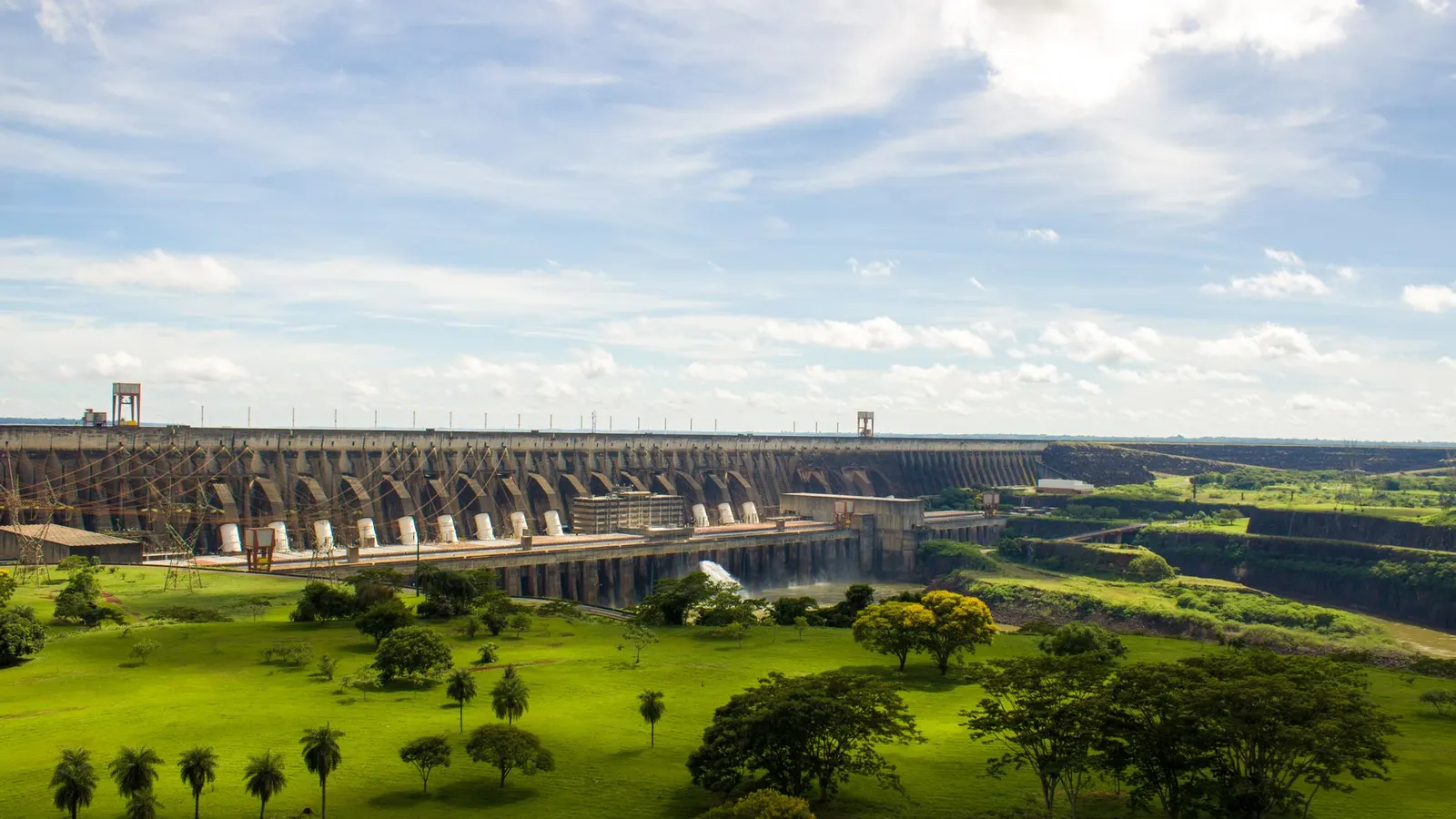
 João Saplak · Pexels License
Country Guide № 134 / 194 · South America
Paraguay
The country the continent forgot - tereré, Jesuit ruins and the emptiest horizons in South America.
“The country the continent forgot - tereré, Jesuit ruins and the emptiest horizons in South America.”
Paraguay is the least-visited country in South America, and it shows in the best way: no gringo trail, no inflated double pricing, and a genuine curiosity toward the few travellers who turn up. Life runs on tereré - iced yerba mate sipped from a shared guampa - spoken over in Guaraní as much as Spanish, in the only country in the Americas where an indigenous language is the true lingua franca.
The rewards are quieter than Machu Picchu and better for it: the roofless red sandstone of the Jesuit missions at Trinidad, UNESCO-listed and often literally empty; the green, slow river world around Asunción, one of the continent's most affordable capitals; and the Chaco - a thorn-forest wilderness half the country wide, shared by Mennonite dairy colonies and jaguars. Come in the April–September winter; summer is a furnace.
Chapter 01
Highlights
Jesuit missions of Trinidad & Jesús
UNESCO-listed 18th-century reducciones in carved red sandstone - arguably the continent's most atmospheric ruins, and you will often have them entirely to yourself.
Asunción
A low-rise riverside capital of faded grandeur, lapacho blossoms in July, and the Loma San Jerónimo painted quarter - plus the cheapest good steak on the continent.
The Chaco
A vast thorn-scrub wilderness with more jaguars than people - visit the Mennonite colonies at Filadelfia, then push toward Defensores del Chaco with a guide who knows the water points.
Saltos del Monday & Itaipú
Ciudad del Este hides a 45-metre waterfall in city limits and, next door, Itaipú - one of the largest hydroelectric dams on Earth, with free guided tours of its staggering scale.
Chapter 02
Entry requirements for Paraguay
Checking your passport…
up to 90 days · free entry
90 days on arrival
Before you fly
The detail
- Maximum stay
- up to 90 days
- Fee
- free entry
- Passport validity
- Most destinations want validity beyond your stay, and some want six months. Check yours against the return date.
- Onward travel
- Airlines may ask for a return or onward ticket at check-in.
- Health
- Dengue is the standing concern countrywide - repellent at dawn and dusk, especially November–May. Yellow fever vaccination recommended. Tap water is safe in Asunción, bottled elsewhere is the norm. Summer heat is a genuine medical hazard: 40 °C+ with high humidity - schedule like a local (early starts, siesta, tereré). Good private clinics in Asunción; thin coverage beyond, so carry insurance and a basic kit for the interior.
- Money
- The guaraní comes in six-digit denominations - €1 is roughly 8,000 PYG, so a restaurant bill of 200,000 is dinner for two, not a mistake. Cards are accepted in cities and shopping centers; markets, buses and the countryside are cash country. ATMs are plentiful in cities (fees apply); bring cash reserves for the Chaco and mission towns. Ciudad del Este runs informally on Brazilian reais and US dollars too.
American visitors enter Paraguay for 90 days without a visa, but the waiver is younger than it looks: Paraguay charged United States passports a reciprocity visa for years and lifted the requirement by decree, since rolled forward rather than written into anything permanent. Confirm it is current when you book - this is one of the few entry rules on the continent that could revert with a signature and no notice. Once inside, one extension of 90 days is available at the Dirección General de Migraciones in Asunción. The practical trap is the Friendship Bridge at Ciudad del Este, where tens of thousands cross from Brazil every day to shop and nobody stops: if you are continuing into Paraguay you MUST get off the bus, walk into the migration post and be stamped in, and the same applies on the Brazilian side. A missing entry stamp is discovered when you try to leave, and it costs a fine and most of a day. Carry a passport with six months on it. Onward tickets are rarely asked for overland and sometimes at airline check-in.
Check another destination with this passport →
Entry details: Editorial synthesis - Dirección General de Migraciones Paraguay, Paraguayan visa-waiver decrees, foreign-ministry entry advice (2025–2026) · compiled 18 Sept 2026
Who needs a visa for Paraguay
12 common passports| Passport | Requirement | Stay | Process |
|---|---|---|---|
| United States | Visa-free | up to 90 days | No process · €0 / $0 |
| United Kingdom | Visa-free | up to 90 days | No process · €0 / $0 |
| Germany | Visa-free | up to 90 days | No process · €0 / $0 |
| India | Visa required | - | No Other passports record yet |
| China | Visa required | - | No Other passports record yet |
| Brazil | Visa-free | up to 90 days | No Other passports record yet |
| Nigeria | Visa required | - | No Other passports record yet |
| Indonesia | Visa required | - | No Other passports record yet |
| Philippines | Visa required | - | No Other passports record yet |
| Vietnam | Visa required | - | No Other passports record yet |
| Egypt | Visa required | - | No Other passports record yet |
| Nepal | Visa required | - | No Other passports record yet |
Holding a passport that is not listed? The picker above answers for any of them. See where your passport takes you. Source: Passport Index, updated 14 Aug 2026.
Chapter 03
When to go
BestApr–Sep. AvoidDec–Jan.
Autumn arrives - the pleasant season begins.
The band above each month is our editorial verdict - it weighs crowds, prices and access as well as weather. The line is average daily temperature, the bars are monthly rainfall. Select a month for the figures. Climate figures: ERA5 reanalysis via Open-Meteo, 2005–2024 normals.
Chapter 04
What it costs
A day in Paraguay
Comfortable · sample day
≈ $54
Line items are real prices we track. The daily budget is an editorial estimate for this level, not their sum.
Where this sits among 244 countries we have costed
Almost no seasonal swing - Paraguay has no high season to inflate. The exceptions are Encarnación during February carnival (beds double, book ahead) and Semana Santa, when the whole country travels and buses fill. Summer paradoxically discounts city hotels while air-conditioning becomes non-negotiable. Chaco expedition costs are logistics-priced (fuel, 4x4, guide) and identical year-round.
Updated Aug 2026 · Editorial synthesis - Budget Your Trip, published bus fares, regional cost-of-living reporting (2025–2026) · confidence medium
Excludes international flights - they depend on where you fly from.
Chapter 05
Regions to know
5Asunción & the central circuit
The capital plus the Circuito de Oro craft towns - Areguá's ceramics, Itauguá's ñandutí lace - and lakeside San Bernardino weekends.
The south & the missions
Encarnación's riverside costanera and carnival, with the UNESCO Jesuit ruins of Trinidad and Jesús in red sandstone just up the road.
The east
Ciudad del Este's bazaar energy, the Saltos del Monday waterfall and the mind-bending scale of the Itaipú dam tours.
The Chaco
Half the country, two percent of its people: Mennonite Filadelfia, salt lagoons full of flamingos, and jaguar country toward Defensores del Chaco.
The northeast riverlands
Concepción's river-port languor and boat trips up the Río Paraguay toward the Pantanal fringe - Paraguay at its slowest and least visited.
Chapter 06
Practical guide
Getting there
No direct flights from Europe: connect via Madrid, São Paulo, Lima or Buenos Aires to Asunción's Silvio Pettirossi airport - 17–20 hours from Central Europe. Many travellers arrive overland: comfortable buses from Buenos Aires (18 h), Foz do Iguaçu to Ciudad del Este across the Friendship Bridge (walkable, but stamp in properly), or the crossing from Clorinda, Argentina.
Getting around
Buses run everywhere cheaply along the paved triangle Asunción–Encarnación–Ciudad del Este; quality ranges from air-conditioned to agricultural, and the best companies (NSA, La Encarnacena) are worth the extra euro. Asunción city buses are chaotic - locals use them, visitors mostly use Bolt/Uber, which are very cheap. The Chaco is different: the trans-Chaco highway is paved, but everything off it needs a 4x4, water reserves and a guide.
Money & costs
The guaraní comes in six-digit denominations - €1 is roughly 8,000 PYG, so a restaurant bill of 200,000 is dinner for two, not a mistake. Cards are accepted in cities and shopping centers; markets, buses and the countryside are cash country. ATMs are plentiful in cities (fees apply); bring cash reserves for the Chaco and mission towns. Ciudad del Este runs informally on Brazilian reais and US dollars too.
Safety
Paraguay sits low on the continent's risk table. Standard care in Asunción after dark; in Ciudad del Este keep the electronics shopping unflashy and stick to daylight around the market blocks. The EPP guerrilla presence in the remote northeast (Concepción/San Pedro hinterland) is real but far from any tourist route. The Chaco's dangers are environmental: heat, distance and no water - never head off-highway without local arrangement.
Health
Dengue is the standing concern countrywide - repellent at dawn and dusk, especially November–May. Yellow fever vaccination recommended. Tap water is safe in Asunción, bottled elsewhere is the norm. Summer heat is a genuine medical hazard: 40 °C+ with high humidity - schedule like a local (early starts, siesta, tereré). Good private clinics in Asunción; thin coverage beyond, so carry insurance and a basic kit for the interior.
SIM & internet
Tigo and Claro cover the populated east well; SIMs are cheap and sold everywhere with a passport. 4G in all cities and most towns along the paved routes; the Chaco drops to nothing between settlements - genuinely offline, plan accordingly. Wifi is standard in city hotels. WhatsApp is how every guesthouse, guide and bus office communicates.
Chapter 07
Driving
Driving is easy by regional standards on the paved east - the hazards are motorbikes, cattle and sudden downpours. The trans-Chaco route is paved but services are 100+ km apart: full tank, water reserves, and never at night when the wildlife owns the road.
Rules change - verify with an official source before you rent.
ExplWorld VerifiedNo verified partners here yet - all 6 country seats are open.
Become ExplWorld Verified →Chapter 08
Itineraries through this country
Chapter 09
From the Journal
Chapter 10
Before you go
ParaguayChapter 11
Frequently asked questions
Is Paraguay safe for travellers?
One of South America's more relaxed countries. Asunción needs only standard capital care (avoid empty downtown blocks late at night); Ciudad del Este's market blocks deserve daytime-only attention and no flashed valuables - it is a smuggling hub, not a war zone. Rural Paraguay is genuinely tranquil; the practical hazards are heat and distance, not people.
When is the best time to visit?
April to September - the southern winter - with mild 20–25 °C days ideal for the missions and the Chaco. December to February regularly tops 40 °C and turns unair-conditioned travel into an endurance event; July brings the purple lapacho bloom to Asunción.
How much does a day in Paraguay cost?
Among the continent's cheapest: €50 per day covers private rooms, restaurant meals and buses comfortably; backpackers get by on €25 with €3 set lunches and €9 dorms. The Chaco is the exception - a guided expedition is the one splurge, as distances demand a 4x4 and local knowledge.