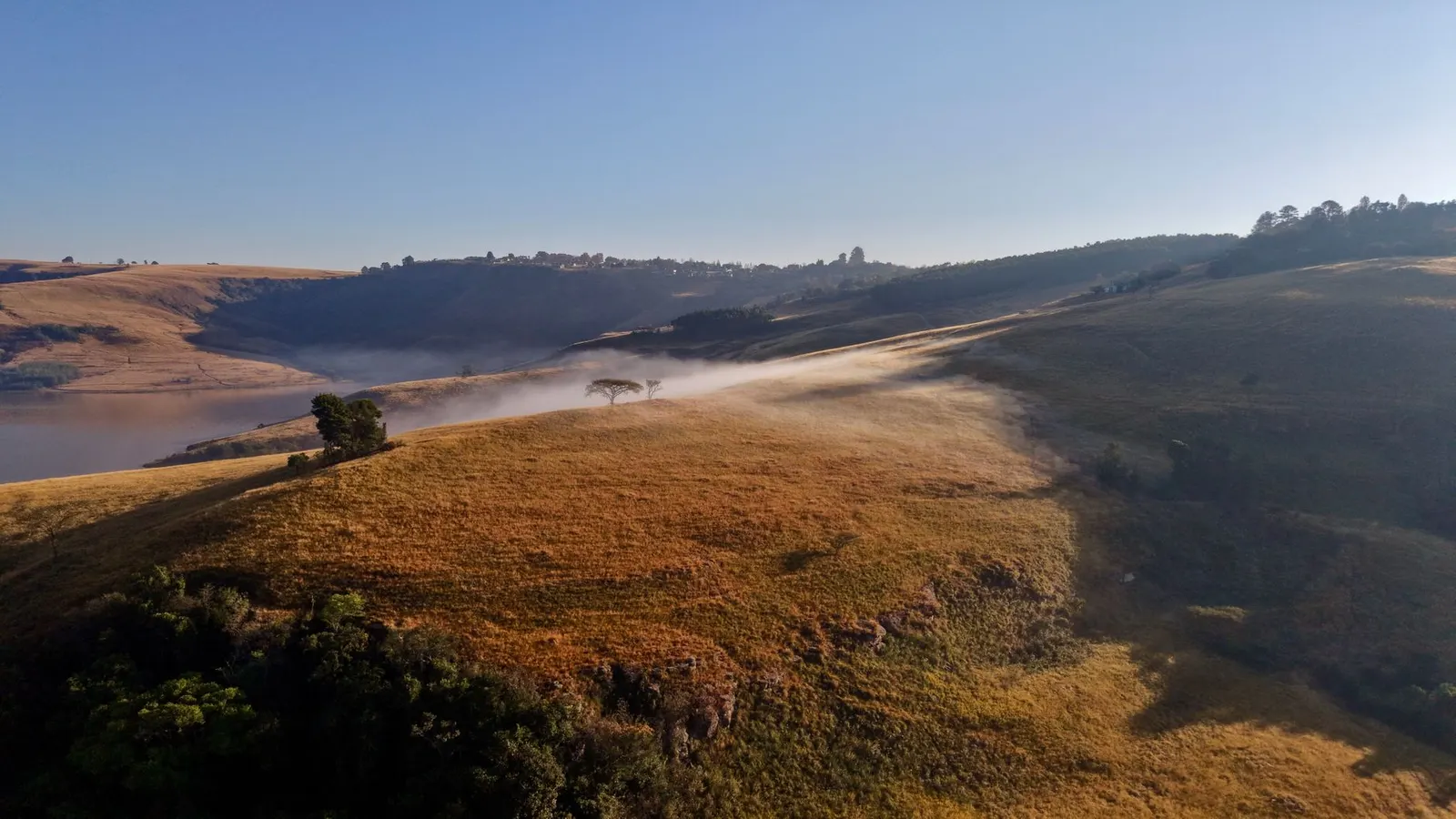
 RAIHAAN Kamdar · Pexels License
Country Guide № 160 / 194 · Africa
South Africa
Big-five parks, a mountain in the middle of a city, and wine country an hour from both.
“Big-five parks, a mountain in the middle of a city, and wine country an hour from both.”
South Africa gives you a great deal in one country: Kruger and the private reserves beside it for big-five wildlife, Cape Town with Table Mountain rising out of it, the winelands an hour inland, the Drakensberg escarpment, and the Garden Route along the southern coast. The infrastructure is the best on the continent - self-driving is straightforward, the roads are good and the accommodation is excellent value.
It is also the most unequal country in the world by most measures, and that is visible everywhere: in the townships beside the highways, in the security walls, in the load-shedding that cuts electricity on a published schedule. Crime rates are high and shape how residents live. Travellers who take sensible precautions have overwhelmingly good trips; pretending the context is not there does nobody any favours.
Chapter 01
Highlights
Kruger and the private reserves
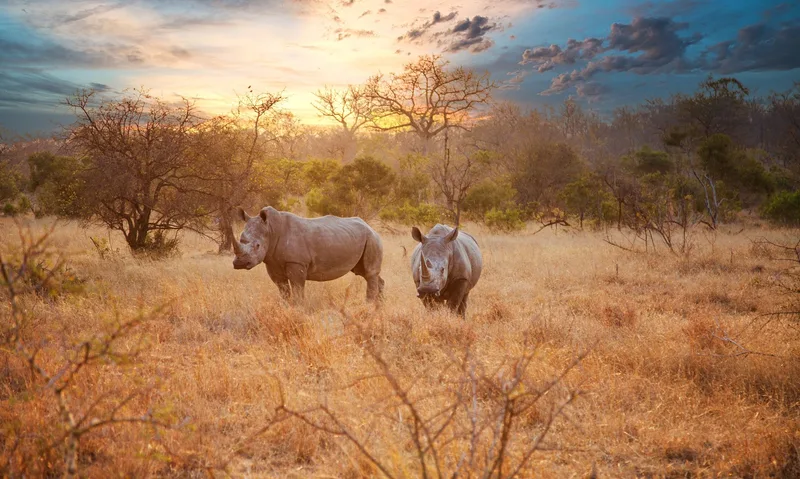
Twenty thousand square kilometres of savanna with all of the big five, self-drivable on tarred roads for a fraction of the cost of the adjoining private concessions like Sabi Sand, where off-road tracking is permitted.
Cape Town and the Cape Peninsula
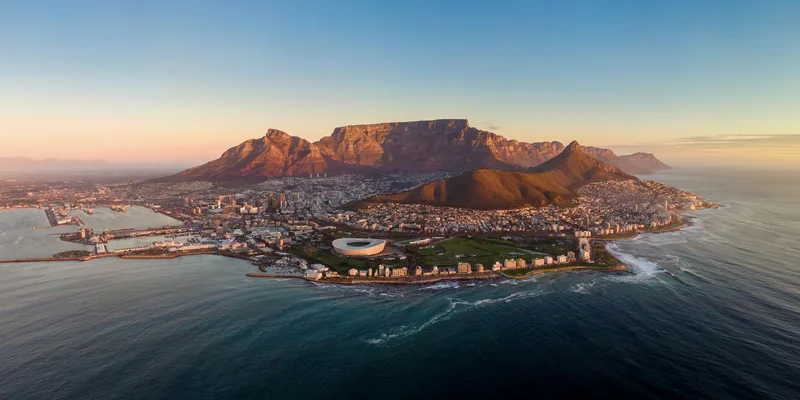
Table Mountain by cable car or the Platteklip gorge path, the Cape of Good Hope, Boulders Beach penguins and Chapman's Peak drive - one of the more spectacular urban settings anywhere.
The Drakensberg
A 1,000-kilometre escarpment with the Amphitheatre wall, the Tugela Falls, San rock art and hut-to-hut walking. The Sani Pass climbs it into Lesotho on a 4WD track.
The Garden Route and the Karoo
Forest, lagoons and whale watching at Hermanus and De Hoop between June and November, with the semi-desert Karoo and its dark skies inland.
Chapter 02
Entry requirements for South Africa
Checking your passport…
up to 90 days · free entry
90 days on arrival
Before you fly
The detail
- Maximum stay
- up to 90 days
- Fee
- free entry
- Passport validity
- Most destinations want validity beyond your stay, and some want six months. Check yours against the return date.
- Onward travel
- Airlines may ask for a return or onward ticket at check-in.
- Health
- Malaria prophylaxis is recommended for the Kruger lowveld and northern KwaZulu-Natal, particularly from November to April; the Cape, Garden Route and highveld are malaria-free. Hepatitis A and typhoid are standard. Healthcare in private hospitals is excellent and expensive - insurance is essential. Tap water is safe in the cities. HIV prevalence is high, which is relevant to any medical procedure.
- Money
- Rand. Cards are accepted almost everywhere including at park gates and small-town shops. ATMs are widespread; be alert at them and never accept help. Tipping is expected and significant - 10–15 % in restaurants, and car guards in parking areas expect a few rand. The rand is volatile, which makes South Africa cheap for euro visitors in most years.
A US passport enters visa-free for up to 90 days as a visitor, with the days granted written into the stamp - read it, because an officer may give fewer. The passport rule is the one that strands people at check-in rather than at the border: South Africa wants at least 30 days of validity beyond your intended departure and at least two blank facing pages, and airlines refuse boarding on the blank-page count more often than on anything else here. Children need the full, unabridged birth certificate naming both parents unless the passport itself names them, and a child travelling with one parent or with anybody else needs an affidavit of consent from the absent parent or parents. Overstaying is treated severely: the Department of Home Affairs declares overstayers undesirable and bans them for one to five years, and the extension has to be applied for through VFS well before the stamp runs out rather than in the last fortnight. A yellow fever certificate is required if you have come from a country where the disease is present, or transited one for more than twelve hours - the threshold the International Health Regulations set, so check it against your actual routing rather than only your departure airport.
Check another destination with this passport →
Entry details: Editorial synthesis - South African Department of Home Affairs immigration directives, Department of International Relations and Cooperation (2025–2026) · compiled 15 Sept 2026
Who needs a visa for South Africa
12 common passports| Passport | Requirement | Stay | Process |
|---|---|---|---|
| United States | Visa-free | up to 90 days | No process · €0 / $0 |
| United Kingdom | Visa-free | up to 90 days | No process · €0 / $0 |
| Germany | Visa-free | up to 90 days | No process · €0 / $0 |
| India | e-Visa | - | No Other passports record yet |
| China | e-Visa | - | No Other passports record yet |
| Brazil | Visa-free | up to 90 days | No Other passports record yet |
| Nigeria | e-Visa | - | No Other passports record yet |
| Indonesia | e-Visa | - | No Other passports record yet |
| Philippines | e-Visa | - | No Other passports record yet |
| Vietnam | Visa required | - | No Other passports record yet |
| Egypt | e-Visa | - | No Other passports record yet |
| Nepal | Visa required | - | No Other passports record yet |
Holding a passport that is not listed? The picker above answers for any of them. See where your passport takes you. Source: Passport Index, updated 14 Aug 2026.
Chapter 03
When to go
BestApr–Oct.
Excellent nationwide - dry in the north and still warm in the Cape.
The band above each month is our editorial verdict - it weighs crowds, prices and access as well as weather. The line is average daily temperature, the bars are monthly rainfall. Select a month for the figures. Climate figures: ERA5 reanalysis via Open-Meteo, 2005–2024 normals.
Chapter 04
What it costs
A day in South Africa
Comfortable · sample day
≈ $97
Line items are real prices we track. The daily budget is an editorial estimate for this level, not their sum.
Where this sits among 244 countries we have costed
The Cape peaks in the southern summer, from December to February, with Cape Town accommodation doubling and the Christmas fortnight going further. Kruger and the safari areas peak in the dry winter from June to September. The two seasons are opposite, which is why a combined trip is expensive in one half whatever you do. The rand's weakness keeps euro-denominated costs low.
Updated Aug 2026 · Editorial synthesis - SANParks published tariffs, rental and lodge sampling, Statistics South Africa (2025–2026) · confidence high
Excludes international flights - they depend on where you fly from.
Chapter 05
Regions to know
5Cape Town & the Western Cape
Table Mountain, the peninsula, the winelands at Stellenbosch and Franschhoek, and whale watching at Hermanus.
The Garden Route & the south coast
Forest, lagoons and adventure sports from Mossel Bay to Storms River, with the Karoo semi-desert inland.
Kruger & Mpumalanga
The great park and its private reserves, plus the Blyde River Canyon and the panorama route above it.
KwaZulu-Natal
The Drakensberg escarpment, iSimangaliso's wetlands, Hluhluwe-iMfolozi's rhinos and Durban's Indian Ocean coast.
Johannesburg & the interior
The city and Soweto, the Cradle of Humankind fossil sites, and the Kalahari and Namaqualand further west.
Chapter 06
Practical guide
Getting there
Johannesburg (JNB) and Cape Town (CPT) take direct flights from Europe overnight - around eleven hours with no time difference to speak of, which is one of the great advantages of travelling here from Europe. Durban and George serve regional routes. Land borders with all six neighbours are open.
Getting around
Renting a car is the standard approach and roads are good. Domestic flights between Johannesburg, Cape Town and Durban are frequent and cheap. Intercity buses (Intercape, Greyhound) are reliable; the Baz Bus serves backpackers along the Garden Route. Metered taxis are rare - use Uber or Bolt, which work well in the cities. Long-distance rail is limited apart from the luxury trains.
Money & costs
Rand. Cards are accepted almost everywhere including at park gates and small-town shops. ATMs are widespread; be alert at them and never accept help. Tipping is expected and significant - 10–15 % in restaurants, and car guards in parking areas expect a few rand. The rand is volatile, which makes South Africa cheap for euro visitors in most years.
Safety
Crime rates are high by international standards and the precautions above are not optional. Beyond crime, the risks are road accidents - the fatality rate is among the world's higher ones - and wildlife, which is not a theme park: people are killed by hippos and elephants every year, and the rest-camp rules exist for a reason. Load-shedding affects traffic lights and street lighting.
Health
Malaria prophylaxis is recommended for the Kruger lowveld and northern KwaZulu-Natal, particularly from November to April; the Cape, Garden Route and highveld are malaria-free. Hepatitis A and typhoid are standard. Healthcare in private hospitals is excellent and expensive - insurance is essential. Tap water is safe in the cities. HIV prevalence is high, which is relevant to any medical procedure.
SIM & internet
Local SIMs are cheap with RICA passport registration. Coverage is good in cities and along main roads, patchy in remote parks. Wifi is standard in accommodation but often capped. Load-shedding takes mobile towers down after a few hours of outage, so coverage degrades during long cuts.
Chapter 07
Driving
Driving is on the left. Minibus taxis stop without warning and are the main urban hazard; livestock and pedestrians on rural roads are the main one outside towns. Do not drive at night between towns if avoidable. Keep doors locked and windows up in cities, and never leave anything visible in a parked car.
Rules change - verify with an official source before you rent.
ExplWorld VerifiedNo verified partners here yet - all 6 country seats are open.
Become ExplWorld Verified →Chapter 08
Itineraries through this country
Chapter 09
From the Journal
Chapter 10
Before you go
South AfricaChapter 11
Frequently asked questions
What are the actual safety precautions?
Specific and effective. Do not walk in city centres after dark, use ride-hailing rather than walking or hailing, keep car doors locked and nothing visible on seats, do not stop for anything unofficial on the N2 and N3, and be careful at ATMs. Johannesburg CBD and some townships need a local guide rather than independent wandering. With these, most trips pass without incident; without them, the risk is genuine.
Kruger self-drive or a private reserve?
Kruger self-drive is remarkable value - you rent a car, pay a daily conservation fee, stay in SANParks rest camps and find your own animals on tarred roads. Private reserves cost several hundred euros a night and buy off-road tracking, guides who know individual leopards, and far higher sighting rates. Many people do two nights of each.
What is load-shedding?
Scheduled rolling power cuts, published as a stage number and a timetable by area, caused by a generation shortfall. Most hotels, lodges and restaurants have generators or batteries; traffic lights often do not, which is the practical hazard. Download the EskomSePush app and expect it to affect a couple of hours of your day at times.