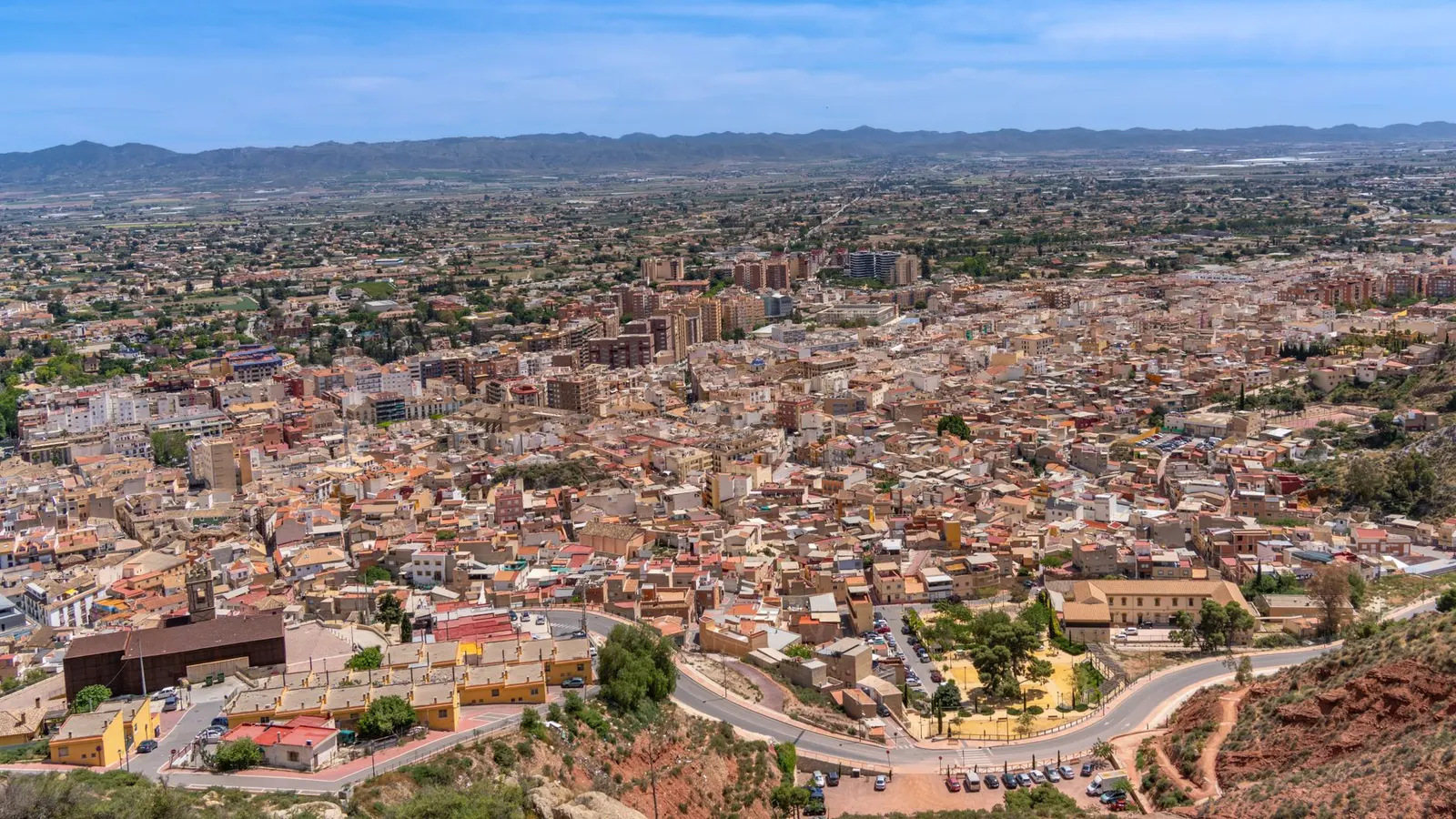
 Emilio Sánchez Hernández · Pexels License
Country Guide № 163 / 194 · Europe
Spain
Seventeen regions that barely agree on lunch, let alone anything else.
“Seventeen regions that barely agree on lunch, let alone anything else.”
Spain's international image is coastline, and the coastline is real - but it is the least interesting third of the country. The interior holds Moorish Granada and Córdoba, the Roman aqueduct at Segovia, the pilgrim routes across the north, and a capital that eats later than anywhere in Europe. The autonomous regions are genuinely distinct: Galicia is Celtic and rainy, the Basque Country has its own language and the highest concentration of celebrated restaurants on earth.
It is also cheap by Western European standards and superbly connected - the AVE high-speed network is the largest in Europe and reaches Seville, Barcelona, Valencia and Málaga from Madrid in under three hours. The two archipelagos, Balearics and Canaries, are effectively separate destinations with their own seasons; the Canaries are the only part of Europe with reliable winter beach weather.
Chapter 01
Highlights
The Alhambra
Nasrid palaces, courtyards and water gardens above Granada - the finest Islamic architecture in Western Europe. Tickets sell out weeks ahead and are name-checked at the gate.
Basque eating
Pintxos bars in San Sebastián's old town, cider houses in the hills and the Guggenheim in Bilbao an hour west. The densest good eating in Spain.
The Camino de Santiago
Pilgrim routes converging on Santiago de Compostela, walked by hundreds of thousands a year. The Francés is the classic; the Portugués and Norte are quieter.
The Canary Islands
Volcanic landscapes on Lanzarote, Teide's 3,715-metre cone on Tenerife, laurel cloud forest on La Gomera - and Europe's only dependable winter sun.
Chapter 02
Entry requirements for Spain
Checking your passport…
up to 90 days · free entry
90 days on arrival
Before you fly
The detail
- Maximum stay
- up to 90 days
- Fee
- free entry
- Passport validity
- Most destinations want validity beyond your stay, and some want six months. Check yours against the return date.
- Onward travel
- Airlines may ask for a return or onward ticket at check-in.
- Health
- No vaccinations required. Healthcare is excellent and EHIC/GHIC covers EU and UK visitors for state care. Pharmacies are competent and widespread. Tap water is safe across the mainland, though it tastes poor in some coastal areas. Heat illness during summer heatwaves is the main risk; jellyfish appear on Mediterranean beaches in warm years.
- Money
- Cards are accepted almost everywhere, including small bars. Some rural establishments and markets are cash. Tipping is minimal - rounding up, or a euro or two for good service. ATMs at banks are usually free for EU cards; standalone machines charge. The menú del día at lunch is the best-value meal in the country at €12–18.
No visa and no fee for a United States passport: 90 days in any rolling 180, shared across the whole twenty-nine-country Schengen area rather than granted afresh by Spain. A week in Lisbon before you reach Seville is already spent from the same ninety. What is distinctive here is the paperwork after the border rather than at it - Spanish law requires hotels, short-term rental hosts and car-hire firms to register travellers’ identity documents with the authorities, which is why your passport is scanned at check-in and again at the rental desk, and why a host who asks for it in person is complying with a statute rather than being difficult. The Entry/Exit System has been fully operational since 10 April 2026: a facial image and fingerprints at the first crossing, no more stamps, and an automatic record of every day you are inside the area. Carry proof of onward travel and of somewhere to stay; Spain is entitled to ask a visitor to show sufficient funds for the trip, and a stay in a private home may require an invitation letter obtained by your host from the police. The Canary and Balearic Islands are fully inside Schengen and involve no extra formality; Ceuta and Melilla are Spanish but outside the customs union, with their own checks. ETIAS was announced but not required at the time of writing; check when you book.
Check another destination with this passport →
Entry details: Editorial synthesis - Schengen Borders Code, Spanish Ministry of the Interior traveller-registration decree, EU Entry/Exit System rollout (2025–2026) · compiled 16 Sept 2026
Who needs a visa for Spain
12 common passports| Passport | Requirement | Stay | Process |
|---|---|---|---|
| United States | Visa-free | up to 90 days | No process · €0 / $0 |
| United Kingdom | Visa-free | up to 90 days | No process · €0 / $0 |
| Germany | Visa-free | - | No process · €0 / $0 |
| India | Visa required | - | No Other passports record yet |
| China | Visa required | - | No Other passports record yet |
| Brazil | Visa-free | up to 90 days | No Other passports record yet |
| Nigeria | Visa required | - | No Other passports record yet |
| Indonesia | Visa required | - | No Other passports record yet |
| Philippines | Visa required | - | No Other passports record yet |
| Vietnam | Visa required | - | No Other passports record yet |
| Egypt | Visa required | - | No Other passports record yet |
| Nepal | Visa required | - | No Other passports record yet |
Holding a passport that is not listed? The picker above answers for any of them. See where your passport takes you. Source: Passport Index, updated 14 Aug 2026.
Chapter 03
When to go
BestApr–Jun, Sep–Oct. AvoidJul–Aug.
Warm and green; Semana Santa fills Andalusia and is spectacular.
The band above each month is our editorial verdict - it weighs crowds, prices and access as well as weather. The line is average daily temperature, the bars are monthly rainfall. Select a month for the figures. Climate figures: ERA5 reanalysis via Open-Meteo, 2005–2024 normals.
Chapter 04
What it costs
A day in Spain
Comfortable · sample day
≈ $103
Line items are real prices we track. The daily budget is an editorial estimate for this level, not their sum.
Where this sits among 244 countries we have costed
Coastal and island accommodation doubles in July and August; Semana Santa fills Andalusia at Easter prices; Barcelona and Madrid stay expensive through spring and autumn and dip in January and February. The Canaries invert everything and peak in the northern winter. Rail and museum tariffs are fixed, though high-speed fares climb as departure nears.
Updated Aug 2026 · Editorial synthesis - Renfe published fares, Patronato de la Alhambra tariffs, INE price data (2025–2026) · confidence high
Excludes international flights - they depend on where you fly from.
Chapter 05
Regions to know
5Madrid & the centre
The capital and its museums, plus Toledo, Segovia and Salamanca within an hour or two by rail.
Andalusia
The Alhambra, Córdoba's mosque-cathedral, Seville, the white villages and the Sierra Nevada above them.
Catalonia & the east
Barcelona and Gaudí, the Costa Brava, the Pyrenees, and Valencia's old town and paella heartland.
The Atlantic north
Basque food and coast, the Picos de Europa, Asturian cider country and Galicia's rías and pilgrim routes.
The islands
The Balearics for summer coves and nightlife; the Canaries for volcanoes, hiking and winter sun.
Chapter 06
Practical guide
Getting there
Madrid (MAD) and Barcelona (BCN) are the main hubs, with Málaga, Valencia, Seville, Bilbao, Palma and the Canaries served heavily by low-cost carriers. High-speed rail links Barcelona to Paris and Montpellier. Ferries connect the peninsula to the Balearics, the Canaries, Morocco, Italy and the UK.
Getting around
AVE and Avant high-speed trains between the major cities, booked ahead for the cheap fares; Renfe media distancia covers the rest. Long-distance buses (ALSA) reach places the trains do not and are cheap. City metros in Madrid, Barcelona, Valencia, Bilbao and Seville are good. A car helps in Andalusia's white villages, Extremadura and the Picos de Europa, and is a nuisance in every city.
Money & costs
Cards are accepted almost everywhere, including small bars. Some rural establishments and markets are cash. Tipping is minimal - rounding up, or a euro or two for good service. ATMs at banks are usually free for EU cards; standalone machines charge. The menú del día at lunch is the best-value meal in the country at €12–18.
Safety
Very safe for violent crime; pickpocketing in Barcelona's Las Ramblas and metro, Madrid's Sol and Seville's centre is persistent and organised. Do not leave bags on café chairs or phones on tables. Car break-ins at trailheads and beach car parks are common - leave nothing visible. Summer heat is the most serious physical risk in the interior.
Health
No vaccinations required. Healthcare is excellent and EHIC/GHIC covers EU and UK visitors for state care. Pharmacies are competent and widespread. Tap water is safe across the mainland, though it tastes poor in some coastal areas. Heat illness during summer heatwaves is the main risk; jellyfish appear on Mediterranean beaches in warm years.
SIM & internet
EU roaming covers European SIMs; others should buy an eSIM. Coverage is comprehensive apart from parts of the Pyrenees and the emptier interior. Free wifi is standard in accommodation and cafés and on AVE trains.
Chapter 07
Driving
Low-emission zones (ZBE) are now mandatory in every city over 50,000 people, with camera enforcement and varying rules - check the specific city before driving into a centre. Otherwise Spanish roads are excellent and the motorway network is one of the best in Europe.
Rules change - verify with an official source before you rent.
ExplWorld VerifiedNo verified partners here yet - all 6 country seats are open.
Become ExplWorld Verified →Chapter 08
Itineraries through this country
Chapter 09
From the Journal
Chapter 10
Before you go
SpainChapter 11
Frequently asked questions
When does Spain actually eat?
Lunch from 14:00 to 16:00 and dinner from 21:00, later in Madrid and in summer. Kitchens close between services and turning up at 19:00 for dinner gets you a tourist menu. Plan a late breakfast, a proper lunch - which is the main meal and where the good-value menú del día sits - and tapas in the evening.
Is the AVE worth it over flying?
Yes on almost every domestic route. Madrid to Seville, Barcelona, Valencia or Málaga is two to three hours city centre to city centre, and competing operators (Renfe, Ouigo, Iryo) have pushed fares down substantially. Book ahead. Flying only wins for the islands.
How bad is the summer heat?
In the interior, dangerous. Seville, Córdoba and Madrid regularly exceed 40 °C in July and August, and heatwaves have been getting longer. Andalusia in August is a genuinely poor idea. The Atlantic north - Galicia, Asturias, the Basque Country - stays around 25 °C and is where Spaniards go.