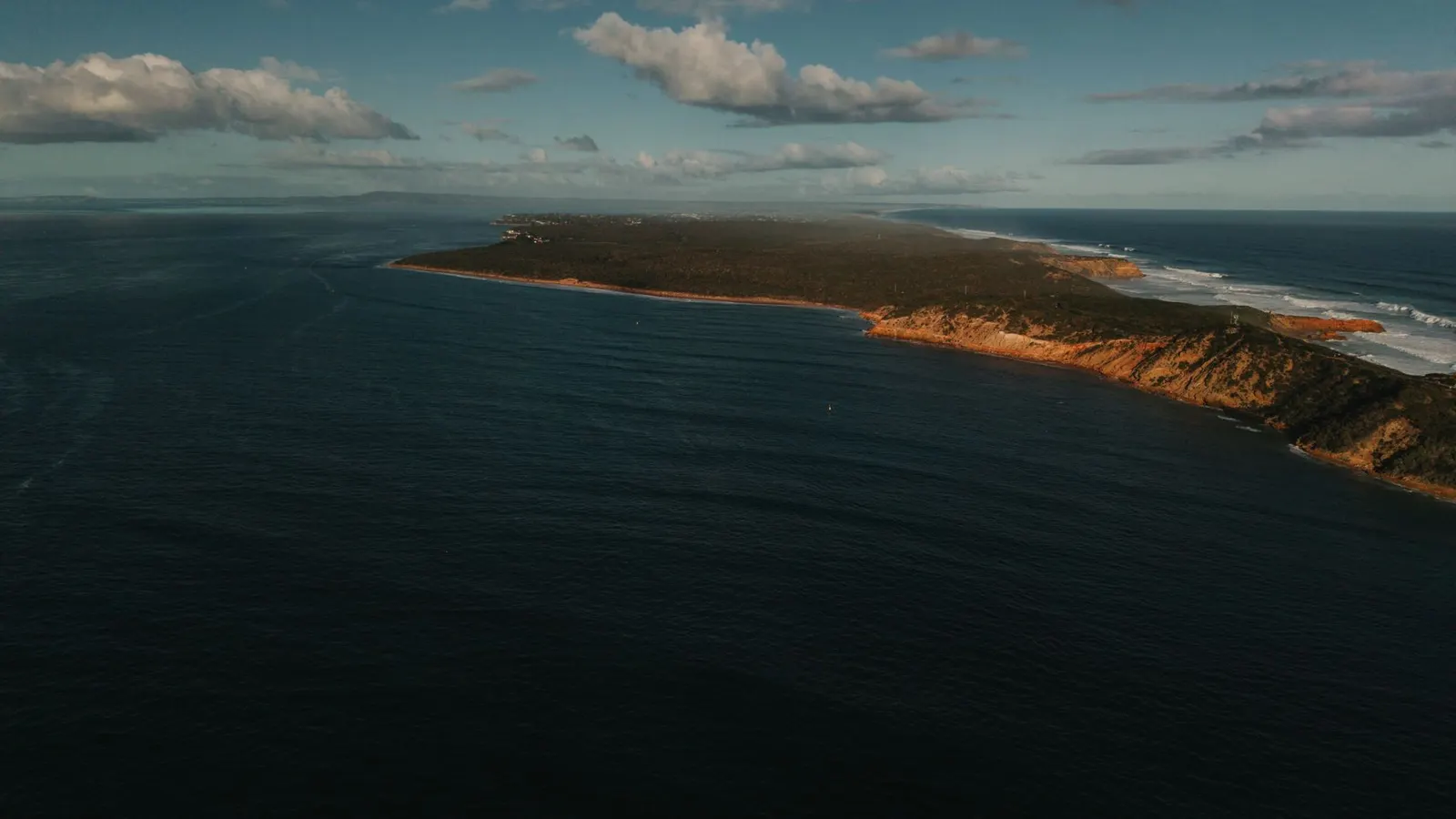
 Parth Patel · Pexels License
Country Guide № 009 / 194 · Oceania
Australia
A continent with 60,000 years of continuous culture and a reef you can see from orbit.
“A continent with 60,000 years of continuous culture and a reef you can see from orbit.”
Australia is the same size as the continental United States or most of Europe, and underestimating that is the single most common planning mistake. Sydney to Perth is a five-hour flight. Cairns to Uluru is not a day trip. Most first visits sensibly pick two or three regions and accept that the rest waits for another time.
The country holds the oldest continuing cultures on earth - Aboriginal and Torres Strait Islander peoples have been here for at least 60,000 years, and the rock art in Kakadu and the Kimberley is older than anything in Europe. Alongside that: the Great Barrier Reef running 2,300 kilometres up the Queensland coast, the wine and food of the southeast, Tasmania's wilderness, and cities that consistently top liveability rankings. Wildlife is genuinely unlike anywhere else, and a small fraction of it is genuinely dangerous.
Chapter 01
Highlights
The Great Barrier Reef
The largest coral reef system on earth, 2,300 kilometres of it, reached from Cairns, Port Douglas or the Whitsundays. Bleaching events have hit it repeatedly since 2016 - outer reef sites and the southern sections generally show better coral than the inshore.
Uluru and Kata Tjuta
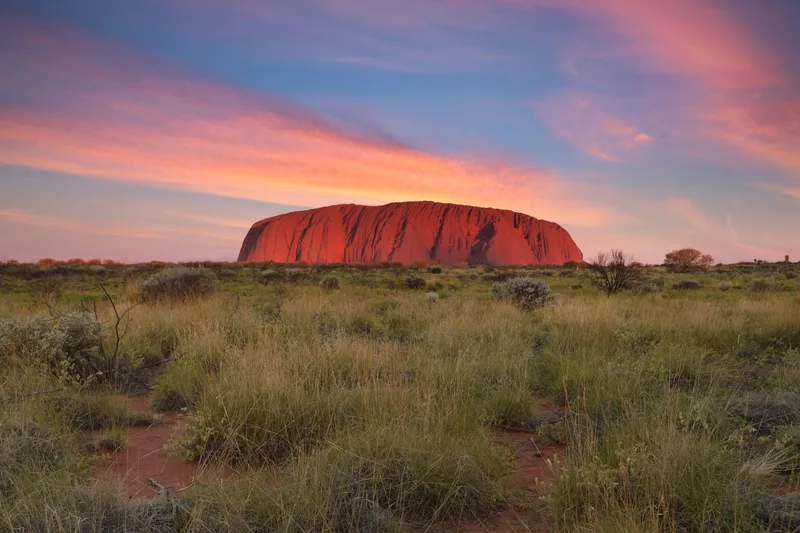
A sandstone monolith sacred to the Anangu, rising 348 metres from the desert, along with the 36 domes of Kata Tjuta nearby. Climbing was permanently closed in 2019 at the traditional owners' request; the base walk is better anyway.
Sydney and Melbourne
The harbour, the Opera House and Bondi's coastal walk in one; laneway coffee, street art, sport and a serious food culture in the other. The rivalry is real and both are worth several days.
Tasmania
Cradle Mountain, the Overland Track, Freycinet's beaches and MONA in Hobart - an island of temperate wilderness and one of the more interesting art museums anywhere, built into a cliff.
Chapter 02
Entry requirements for Australia
Checking your passport…
up to 90 days · €12 / $13 · travel authorisation
90 days on arrival
Official portal only
Paid look-alike sites charge for a process that is free or cheap on the government portal. Use the link below and nothing else.
immi.homeaffairs.gov.au/visas/getting-a-visa/visa-listing/electronic-travel-authority-601 →Before you fly
The detail
- Maximum stay
- up to 90 days
- Process
- travel authorisation
- Fee
- €12 / $13
- Processing time
- Processing takes 1–14 days - apply with room to spare.
- Passport validity
- Most destinations want validity beyond your stay, and some want six months. Check yours against the return date.
- Onward travel
- Airlines may ask for a return or onward ticket at check-in.
- Health
- Excellent healthcare. Reciprocal Medicare agreements cover some nationalities for emergency treatment, but travel insurance is essential. The UV index is extreme - sunburn happens in fifteen minutes in summer, and Australia has the world's highest rates of skin cancer for a reason.
- Money
- Australian dollar, and the country is close to cashless - cards and phones work everywhere including small cafés and market stalls. Tipping is not expected; a service charge sometimes appears on public holidays.
There is no visa-free entry to Australia for anyone but New Zealanders, so a US passport needs the Electronic Travel Authority (subclass 601) granted before boarding. It is applied for through the official Australian ETA app rather than a web form - the app is the only route for a first application, which surprises people expecting a website - and carries a service charge of about A$20. Approval is usually minutes to a day, but allow a fortnight: an application that goes to a case officer is not hurried. The authority runs twelve months and allows 90 days per entry, as many entries as you like inside the year. Book nothing until it is granted, and use only the Home Affairs app or website, because the commercial sites charge several times the fee for the identical thing. Biosecurity at the border is genuinely enforced - declare all food, plant and animal material, including the apple in your bag.
Check another destination with this passport →
Entry details: Editorial synthesis - Australian Department of Home Affairs visa listings and ETA app guidance (2025–2026) · compiled 15 Sept 2026
Who needs a visa for Australia
12 common passports| Passport | Requirement | Stay | Process |
|---|---|---|---|
| United States | eTA | - | eTA · €12 / $13 · 1–14 d |
| United Kingdom | eTA | - | eTA · €0 / $0 · 1–14 d |
| Germany | eTA | - | eTA · €0 / $0 · 1–14 d |
| India | e-Visa | - | e-Visa · €120 / $130 · 14–60 d |
| China | e-Visa | - | e-Visa · €120 / $130 · 14–60 d |
| Brazil | e-Visa | - | e-Visa · €120 / $130 · 14–60 d |
| Nigeria | e-Visa | - | e-Visa · €120 / $130 · 14–60 d |
| Indonesia | e-Visa | - | e-Visa · €120 / $130 · 14–60 d |
| Philippines | e-Visa | - | e-Visa · €120 / $130 · 14–60 d |
| Vietnam | e-Visa | - | e-Visa · €120 / $130 · 14–60 d |
| Egypt | e-Visa | - | e-Visa · €120 / $130 · 14–60 d |
| Nepal | e-Visa | - | e-Visa · €120 / $130 · 14–60 d |
Holding a passport that is not listed? The picker above answers for any of them. See where your passport takes you. Source: Passport Index, updated 14 Aug 2026.
Chapter 03
When to go
BestMar–May, Sep–Nov.
Southern autumn - warm, settled and quieter.
The band above each month is our editorial verdict - it weighs crowds, prices and access as well as weather. The line is average daily temperature, the bars are monthly rainfall. Select a month for the figures. Climate figures: ERA5 reanalysis via Open-Meteo, 2005–2024 normals.
Chapter 04
What it costs
A day in Australia
Comfortable · sample day
≈ $167
Line items are real prices we track. The daily budget is an editorial estimate for this level, not their sum.
Where this sits among 244 countries we have costed
December to January is the domestic summer holiday and the most expensive period nationwide. School holiday weeks throughout the year push coastal and resort prices up sharply.
Updated Aug 2026 · Editorial synthesis - operator tariffs and market price sampling (2025–2026) · confidence high
Excludes international flights - they depend on where you fly from.
Chapter 05
Regions to know
5New South Wales and the southeast
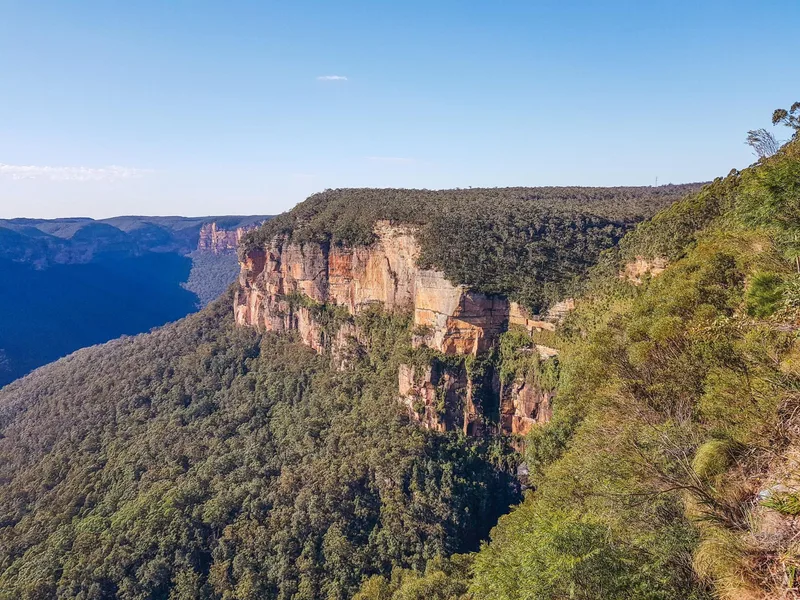
Sydney, the Blue Mountains, the south coast beaches and the Snowy Mountains inland.
Victoria and Tasmania
Melbourne, the Great Ocean Road, the Grampians, and across the strait to Hobart, MONA and Cradle Mountain.
Queensland
The Great Barrier Reef, the Daintree rainforest, the Whitsundays and Brisbane and the Gold Coast in the south.
The Red Centre and the Top End
Uluru, Kata Tjuta, Kings Canyon and Alice Springs; Darwin, Kakadu, Litchfield and Arnhem Land north.
Western and South Australia
Perth, Margaret River, the Ningaloo reef and the Kimberley in the west; Adelaide, the Barossa, Kangaroo Island and the Flinders Ranges in the south.
Chapter 06
Practical guide
Getting there
Sydney, Melbourne, Brisbane and Perth take long-haul flights from Europe, Asia and North America. Nothing from Europe is under about 20 hours including a stop. Perth is the shortest hop from Europe, with a nonstop from London.
Getting around
Domestic flights on Qantas, Virgin Australia and Jetstar link everything. Trains are scenic rather than practical - the Ghan and Indian Pacific are journeys in themselves. Greyhound covers the east coast. Car hire is essential for regional touring; campervans are a national institution.
Money & costs
Australian dollar, and the country is close to cashless - cards and phones work everywhere including small cafés and market stalls. Tipping is not expected; a service charge sometimes appears on public holidays.
Safety
Very safe. The genuine risks are environmental: rip currents, sun exposure, bushfire in summer, heat and dehydration in the interior, and crocodiles in northern waterways. Check fire danger ratings in summer and take total fire bans seriously.
Health
Excellent healthcare. Reciprocal Medicare agreements cover some nationalities for emergency treatment, but travel insurance is essential. The UV index is extreme - sunburn happens in fifteen minutes in summer, and Australia has the world's highest rates of skin cancer for a reason.
SIM & internet
Telstra, Optus and Vodafone; prepaid SIMs are cheap and sold everywhere. Telstra has by far the best regional coverage and is worth the premium outside cities. Expect no signal on long outback stretches.
Chapter 07
Driving
Left-hand traffic. Speed enforcement is heavy, cameras are everywhere and tolerances are small. Kangaroos are a serious collision risk at dawn and dusk - avoid driving between them in rural areas. The Northern Territory has 130 km/h stretches; everywhere else is 110 at most.
Rules change - verify with an official source before you rent.
ExplWorld VerifiedNo verified partners here yet - all 6 country seats are open.
Become ExplWorld Verified →Chapter 08
Itineraries through this country
Chapter 09
From the Journal
Chapter 10
Before you go
AustraliaChapter 11
Frequently asked questions
Do I need a visa?
Yes - Australia has no visa-free entry for anyone except New Zealanders. Most European passports use the eVisitor (subclass 651), which is free and applied for online. US, Canadian, Japanese and several other passports use the ETA (subclass 601), which costs about A$20 through the official app. Both allow 90 days per entry within twelve months. Apply through the government site or app only; third-party sites charge a large markup for nothing.
How dangerous is the wildlife really?
Statistically much less than the reputation suggests, but the rules are real. Swim between the flags on patrolled beaches - rip currents kill far more people than sharks. Do not swim in northern rivers or estuaries: saltwater crocodiles are lethal and the warning signs are not decorative. Wear a stinger suit in the tropical north from November to May. Snakes and spiders are rarely a problem if you watch where you put your hands and feet.
How should I handle the distances?
Fly between regions and drive within them. Domestic flights are frequent and often cheap. If you drive the outback, carry more water than you think you need, tell someone your route, and check road conditions - mobile coverage disappears fast and a breakdown 200 kilometres from anywhere is a serious situation, not an inconvenience.