 K · Pexels License
Country Guide № 056 / 194 · Africa
Eswatini
Africa's last absolute monarchy, packed into a country you can cross in two hours.
“Africa's last absolute monarchy, packed into a country you can cross in two hours.”
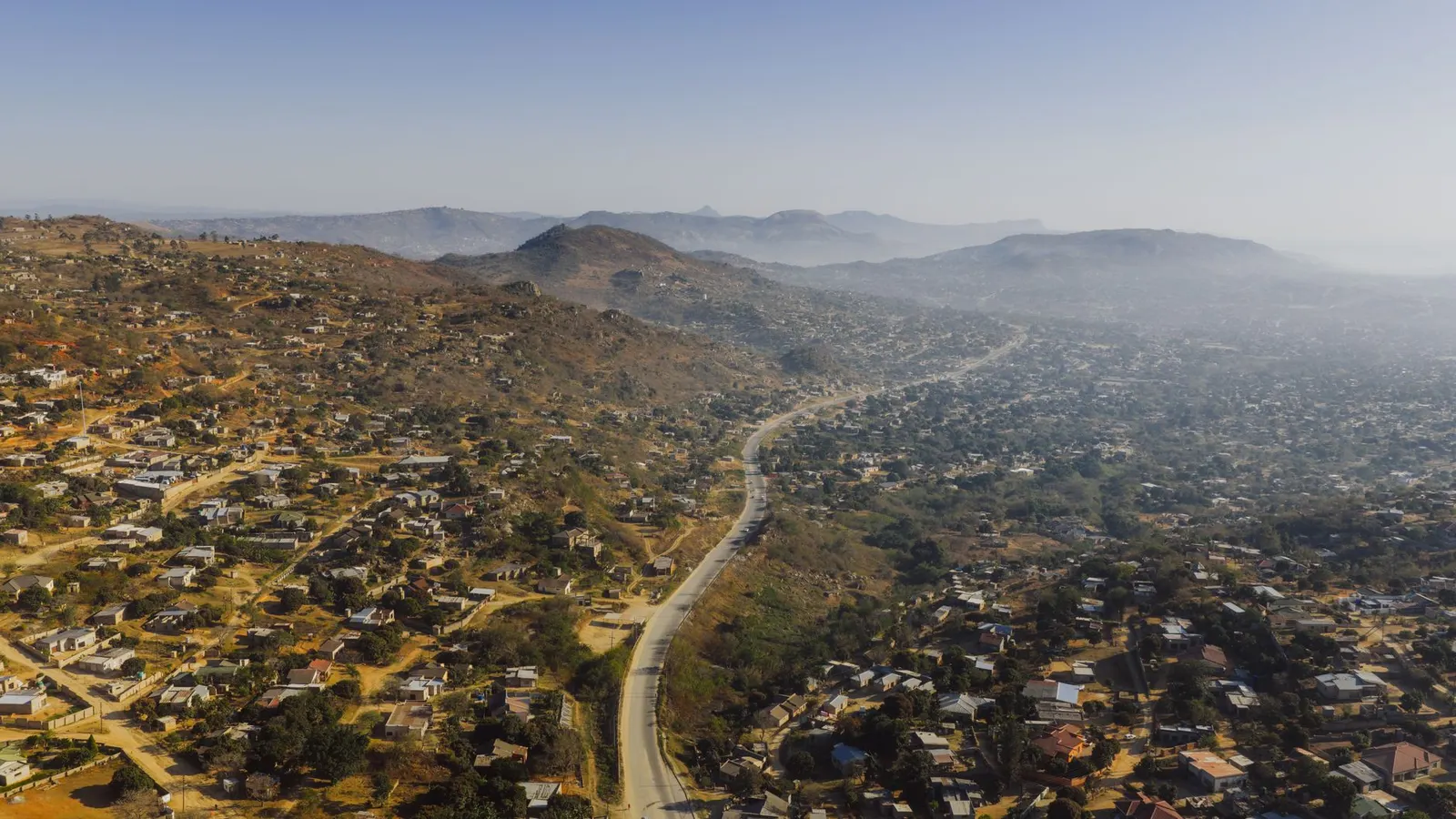
Eswatini - renamed from Swaziland in 2018 on the king's fiftieth birthday - is about 200 kilometres across and holds mountains, lowveld bush and a monarchy that still governs. The Umhlanga reed dance in late August and the Incwala kingship ceremony around the summer solstice are among the largest living ceremonial events in Africa, not reconstructions for visitors.
For travellers it works as a three- to five-day insert between Kruger and Maputo, or between Johannesburg and the Indian Ocean. Mkhaya has walking rhino encounters at prices that undercut anywhere in South Africa; Malolotja has serious hiking in the high northwest; and the Ezulwini and Malkerns valleys hold the craft workshops - candles, glass, weaving - that provide much of the country's formal employment.
Chapter 01
Highlights
Mkhaya Game Reserve
A private reserve where black and white rhino are approached on foot and by open vehicle at close range, with overnight stays in open-sided stone shelters. Among the best-value rhino experiences in Southern Africa.
Malolotja Nature Reserve
High grassland and gorges in the northwest with the country's best hiking, a canopy zip-line course and the Ngwenya iron mine - worked around 41,000 BC and arguably the oldest known mine on earth.
Umhlanga reed dance
Tens of thousands of unmarried women process to the Queen Mother's residence over several days in late August. A genuine national ceremony rather than a display; attend with respect and follow the photography rules.
The Ezulwini and Malkerns valleys
The craft belt - Ngwenya glass, Swazi candles, Baobab batik - plus Mantenga's cultural village and falls, and the country's main concentration of places to stay.
Chapter 02
Entry requirements for Eswatini
Checking your passport…
up to 30 days · free entry
30 days on arrival
Before you fly
The detail
- Maximum stay
- up to 30 days
- Fee
- free entry
- Passport validity
- Most destinations want validity beyond your stay, and some want six months. Check yours against the return date.
- Onward travel
- Airlines may ask for a return or onward ticket at check-in.
- Health
- Malaria risk in the eastern lowveld from November to May; the highveld is free of it. Yellow fever certificate required from endemic countries. Medical facilities are limited - serious cases go to South Africa, so evacuation cover matters.
- Money
- Lilangeni, pegged to and interchangeable with the South African rand. Cards work in the Ezulwini valley, Manzini and Mbabane; carry cash for rural areas. ATMs in the main towns.
Eswatini asks nothing of a United States passport: no visa, no authorisation, no fee, and a 30-day stamp written at the border. Thirty days is the standing grant rather than a maximum to be negotiated, and it is extended inside the country at the immigration offices in Mbabane rather than at a border post, so ask for what you need on the way in if you already know the trip is longer. The passport should be valid six months beyond arrival and have blank pages for the stamps. Eswatini is not an enclave - South Africa wraps it on three sides but Mozambique holds the eastern border at Lomahasha, which matters if the plan is Kruger, Eswatini and the Mozambican coast in one loop rather than a there-and-back from Johannesburg. Ngwenya/Oshoek is the main crossing and the one the Mbabane road runs through, Lavumisa the route down to KwaZulu-Natal, Lomahasha the Mozambican corner. None of the posts is open around the clock and the smaller ones shut in the early evening, so check the hours for your crossing before committing to a late run; the formalities themselves take minutes outside the Umhlanga reed dance in late August and the Incwala around the solstice, when the queues are real. A foreign-registered vehicle pays a small road levy in cash at the border, in lilangeni or in rand - the two circulate interchangeably and the booth will not take a card. Whatever this border asks of you, the South African one is the leg that decides the trip. Leaving South Africa spends the permission you came in on, and returning is a fresh entry rather than a continuation of the stay you left: an American or British passport is stamped for a new period at the officer’s discretion, and a passport that needed a South African visa needs a MULTIPLE-ENTRY one or there is no way back. Ask for the days you actually need on the way into South Africa rather than on the way out of it, keep every stamp legible, and do not treat a day trip as a day trip in immigration terms - it is two exits and two entries. If the car is hired in South Africa, arrange the cross-border letter with the rental company when you book: the agencies charge for it, want several days’ notice, will not hand over the registration papers at the counter without it, and a border post will turn a car back that arrives without the paperwork. South Africa has at various times asked for additional documents for children crossing its borders, so check the current position before driving in with minors. Eswatini asks for a yellow fever certificate only from travellers arriving from a country where the disease is a risk, which under the International Health Regulations includes a stopover of MORE than twelve hours in an airport in one. A direct flight from Europe or North America does not trigger it; a routing through West or Central Africa does, and so does an overland arrival that began there. Where it applies, the injection has to be given at least ten days before you travel for the certificate to count.
Check another destination with this passport →
Entry details: Editorial synthesis - Eswatini Ministry of Home Affairs immigration rules, border post operating practice (2025–2026) · compiled 18 Sept 2026
Who needs a visa for Eswatini
12 common passports| Passport | Requirement | Stay | Process |
|---|---|---|---|
| United States | Visa-free | up to 30 days | No process · €0 / $0 |
| United Kingdom | Visa-free | up to 30 days | No process · €0 / $0 |
| Germany | Visa-free | up to 30 days | No process · €0 / $0 |
| India | Visa required | - | No Other passports record yet |
| China | Visa required | - | No Other passports record yet |
| Brazil | Visa-free | up to 30 days | No Other passports record yet |
| Nigeria | Visa required | - | No Other passports record yet |
| Indonesia | Visa required | - | No Other passports record yet |
| Philippines | Visa required | - | No Other passports record yet |
| Vietnam | Visa required | - | No Other passports record yet |
| Egypt | Visa required | - | No Other passports record yet |
| Nepal | Visa required | - | No Other passports record yet |
Holding a passport that is not listed? The picker above answers for any of them. See where your passport takes you. Source: Passport Index, updated 14 Aug 2026.
Chapter 03
When to go
BestApr–Sep.
Dry, mild and clear - excellent all round.
The band above each month is our editorial verdict - it weighs crowds, prices and access as well as weather. The line is average daily temperature, the bars are monthly rainfall. Select a month for the figures. Climate figures: ERA5 reanalysis via Open-Meteo, 2005–2024 normals.
Chapter 04
What it costs
A day in Eswatini
Comfortable · sample day
≈ $84
Line items are real prices we track. The daily budget is an editorial estimate for this level, not their sum.
Where this sits among 244 countries we have costed
Accommodation fills around Umhlanga in late August and over the South African school holidays. Otherwise rates are steady.
Updated Aug 2026 · Editorial synthesis - Big Game Parks tariffs and lodge rate sampling (2025–2026) · confidence medium
Excludes international flights - they depend on where you fly from.
Chapter 05
Regions to know
5The Ezulwini valley
The "valley of heaven" between Mbabane and Manzini - craft workshops, Mantenga falls and most of the hotels.
Mbabane and the highveld
The administrative capital, cool mountain air and the road west to the South African border.
The northwest
Malolotja's grassland and gorges, the Ngwenya mine and the zip-line canopy tour.
The lowveld
Hlane's lions and elephants, Mkhaya's rhinos and the hot sugar country towards Mozambique.
The south
Nsoko, the Lubombo escarpment and the Lavumisa crossing into KwaZulu-Natal.
Chapter 06
Practical guide
Getting there
King Mswati III International at Sikhuphe has thin service, mainly Airlink from Johannesburg. Most visitors drive from South Africa - Ngwenya/Oshoek is the main border, Lavumisa the route to KwaZulu-Natal - or come across from Mozambique at Lomahasha.
Getting around
A hire car is the practical option and roads are good on the main routes. Khombi minibuses cover the country cheaply. Distances are short enough that a day trip reaches almost anywhere.
Money & costs
Lilangeni, pegged to and interchangeable with the South African rand. Cards work in the Ezulwini valley, Manzini and Mbabane; carry cash for rural areas. ATMs in the main towns.
Safety
Generally safe, with petty crime in Manzini and Mbabane after dark. Political protests in 2021 turned violent and periodic unrest recurs - avoid demonstrations. HIV prevalence is among the highest in the world, which is a public-health fact rather than a traveller risk in itself.
Health
Malaria risk in the eastern lowveld from November to May; the highveld is free of it. Yellow fever certificate required from endemic countries. Medical facilities are limited - serious cases go to South Africa, so evacuation cover matters.
SIM & internet
MTN Eswatini and Eswatini Mobile; SIM registration requires a passport. 4G in the main valleys and towns; patchy in the reserves.
Chapter 07
Driving
Left-hand traffic. Roads are good but livestock on the carriageway is constant and is the main cause of accidents. Do not drive after dark outside the main valleys.
Rules change - verify with an official source before you rent.
ExplWorld VerifiedNo verified partners here yet - all 6 country seats are open.
Become ExplWorld Verified →Chapter 08
Itineraries through this country
Chapter 09
From the Journal
Chapter 10
Before you go
EswatiniChapter 11
Frequently asked questions
How long do I need?
Three days covers Mkhaya, Mlilwane and the craft valleys. Five lets you add Malolotja's hiking and Hlane's lions in the lowveld. The country is small enough that nothing is more than a couple of hours from anything else.
Which currency should I bring?
The lilangeni is pegged one-to-one with the South African rand and rand is accepted everywhere - most visitors simply use rand throughout. Lilangeni are not accepted in South Africa, so spend or change them before you leave. Cards work widely in the Ezulwini valley.
What should I know before attending a ceremony?
Umhlanga and Incwala are royal ceremonies with real protocol. Dress modestly, do not photograph the king or the Queen Mother, follow the instructions of officials, and expect restrictions that are enforced. Going with a local guide who understands the sequence turns it from a crowd into something legible.