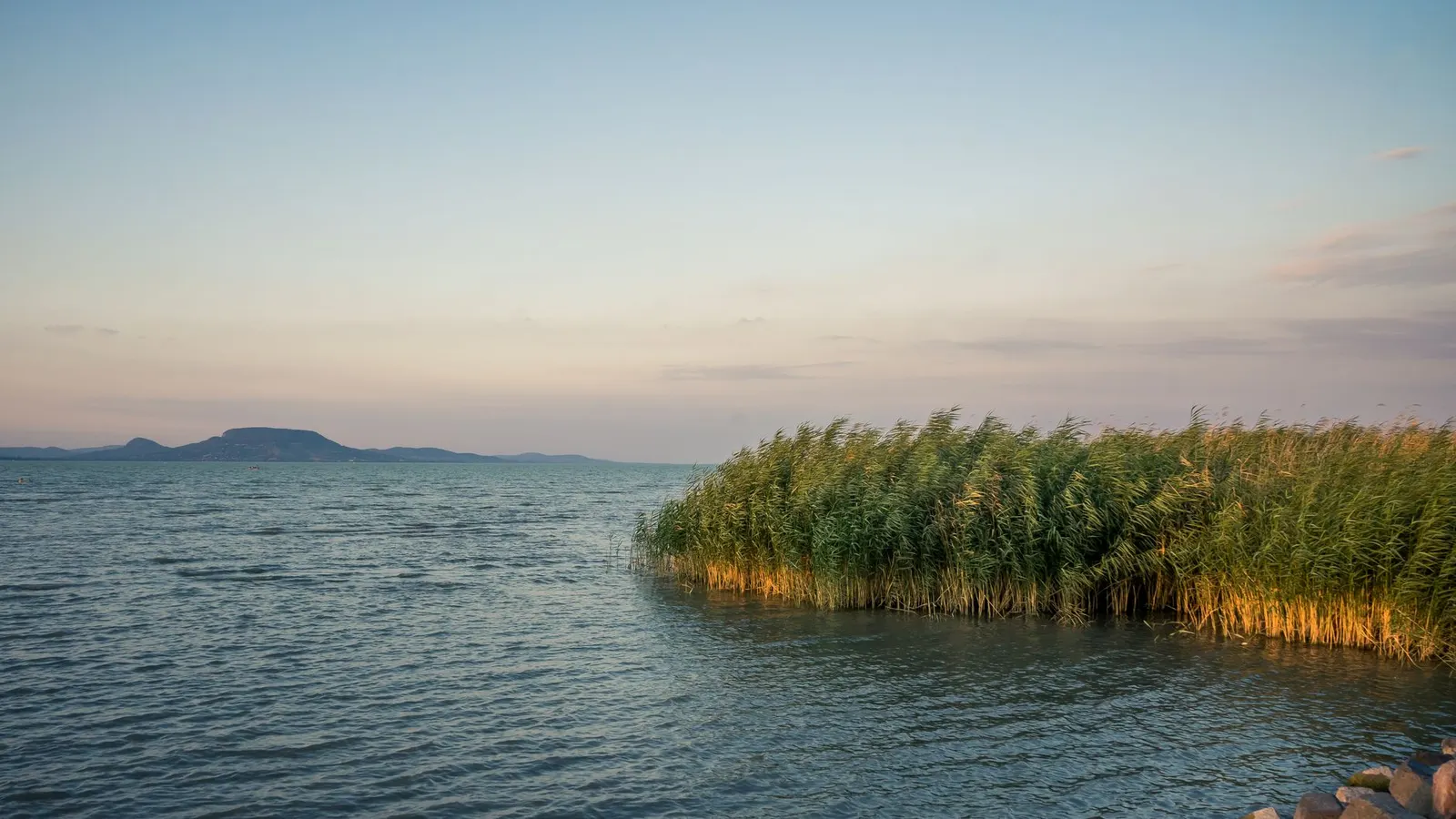
 Leonhard Niederwimmer · Pexels License
Country Guide № 074 / 194 · Europe
Hungary
Thermal water under the whole country, and a capital built on top of it.
“Thermal water under the whole country, and a capital built on top of it.”
Hungary sits on one of the largest thermal water reserves in the world, which is why Budapest has a dozen historic bathhouses and why almost every provincial town has a spa. The Ottoman occupation left the Turkish baths, the Habsburgs left the boulevards, and the twentieth century left a great deal else - the House of Terror and Memento Park are both unflinching about it.
Beyond the capital the country is flat, agricultural and warmer than people expect: Lake Balaton is central Europe's largest lake and its summer resort, the Tokaj region produces the sweet wine that predates Sauternes, and the Great Plain has the puszta grassland and its horse-herding tradition. The language is Finno-Ugric and related to nothing around it, which is the first thing every visitor notices.
Chapter 01
Highlights
Budapest's thermal baths
Széchenyi's outdoor pools in the park, Gellért's art nouveau halls, and Rudas, an Ottoman bath from the 1560s with a rooftop pool over the Danube. Go early or late; midday is crowded.
The Danube panorama
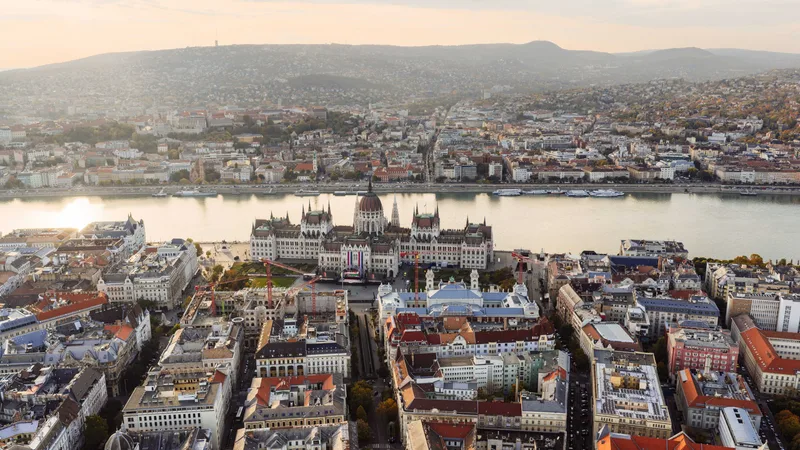
Parliament, the Chain Bridge and Buda Castle from Fisherman's Bastion - a UNESCO-listed cityscape best seen at dusk, and free to walk.
Tokaj
Volcanic hills producing the botrytised sweet wines that were the first classified wine region in the world, in 1737. Cellars carved into the rock and tastings that cost a fraction of Bordeaux.
Lake Balaton
Shallow, warm and 77 kilometres long - the north shore has volcanic hills, wine and Tihany's abbey; the south is flatter, sandier and where the parties are.
Chapter 02
Entry requirements for Hungary
Checking your passport…
up to 90 days · free entry
90 days on arrival
Before you fly
The detail
- Maximum stay
- up to 90 days
- Fee
- free entry
- Passport validity
- Most destinations want validity beyond your stay, and some want six months. Check yours against the return date.
- Onward travel
- Airlines may ask for a return or onward ticket at check-in.
- Health
- No vaccinations required. Healthcare is adequate and private clinics are inexpensive; EHIC/GHIC covers EU and UK visitors for state care. Hungary is a major dental-tourism destination for a reason. Tap water is safe. Tick-borne encephalitis is present in forested areas. Summer heat on the plain is significant.
- Money
- Forint, not euros - Hungary is in the EU but not the eurozone, and euro payment where offered is at a poor rate. Cards are widely accepted. Avoid exchange booths in central Budapest and the standalone ATMs, both of which have poor rates; use bank machines and always decline dynamic currency conversion. Tipping is around 10 %, and a service charge is often already on the bill.
A US passport enters without a visa for up to 90 days in any 180 - the Schengen allowance, shared with twenty-eight other countries rather than granted afresh at each border. Budapest is often the first or last stop on a longer European trip, which is exactly when the arithmetic goes wrong: the window rolls backwards from whatever day you are counting, arrival and departure days both count in full, and a week in Vienna beforehand is a week gone here. The Entry/Exit System has been recording those crossings biometrically since April 2026 rather than stamping passports, so the tally is kept for you and an overstay is found automatically; the penalty is a fine and a ban on returning, imposed on the way out. Passports must have been issued within the last ten years and remain valid three months past your intended departure from the area. The ETIAS authorisation has been announced for visa-exempt visitors but was not required at the time of writing - worth rechecking at booking rather than assuming. Two practical notes: Hungary keeps a fortified frontier with Serbia and restricts the number of open crossings, so an overland run south takes longer and uses fewer roads than a map suggests, and the currency is the forint - euro prices quoted in tourist restaurants carry a poor conversion, and the street money-changers near the Basilica are a swindle.
Check another destination with this passport →
Entry details: Editorial synthesis - Schengen Borders Code, Hungarian National Police border guidance, EU Entry/Exit System rollout (2025–2026) · compiled 16 Sept 2026
Who needs a visa for Hungary
12 common passports| Passport | Requirement | Stay | Process |
|---|---|---|---|
| United States | Visa-free | up to 90 days | No process · €0 / $0 |
| United Kingdom | Visa-free | up to 90 days | No process · €0 / $0 |
| Germany | Visa-free | - | No process · €0 / $0 |
| India | Visa required | - | No Other passports record yet |
| China | Visa required | - | No Other passports record yet |
| Brazil | Visa-free | up to 90 days | No Other passports record yet |
| Nigeria | Visa required | - | No Other passports record yet |
| Indonesia | Visa required | - | No Other passports record yet |
| Philippines | Visa required | - | No Other passports record yet |
| Vietnam | Visa required | - | No Other passports record yet |
| Egypt | Visa required | - | No Other passports record yet |
| Nepal | Visa required | - | No Other passports record yet |
Holding a passport that is not listed? The picker above answers for any of them. See where your passport takes you. Source: Passport Index, updated 14 Aug 2026.
Chapter 03
When to go
BestMay–Jun, September. AvoidNovember.
Warm, green and long-dayed - the best month.
The band above each month is our editorial verdict - it weighs crowds, prices and access as well as weather. The line is average daily temperature, the bars are monthly rainfall. Select a month for the figures. Climate figures: ERA5 reanalysis via Open-Meteo, 2005–2024 normals.
Chapter 04
What it costs
A day in Hungary
Comfortable · sample day
≈ $76
Line items are real prices we track. The daily budget is an editorial estimate for this level, not their sum.
Where this sits among 244 countries we have costed
Balaton is the seasonal market - accommodation on the lake doubles in July and August and much of it closes in winter. Budapest rises modestly in spring and autumn and around the Sziget festival in August, and is cheapest in January and February. Forint volatility affects euro-denominated prices more than the underlying costs do.
Updated Aug 2026 · Editorial synthesis - MÁV published fares, bath tariffs, Hungarian statistical office price data (2025–2026) · confidence medium
Excludes international flights - they depend on where you fly from.
Chapter 05
Regions to know
5Budapest
The capital across the Danube - baths, boulevards, the ruin bars and the twentieth-century museums.
The Danube Bend
Szentendre, Visegrád and Esztergom where the river turns south, all within an hour of the capital.
Lake Balaton
Central Europe's largest lake - volcanic hills and wine on the north shore, beaches and nightlife on the south.
The north & Tokaj
Eger's baroque town and Bull's Blood wine, the Bükk hills, and the Tokaj vineyards further east.
The Great Plain & the south
Hortobágy's puszta grassland and horse herding, Pécs's Ottoman remains, and Szeged on the Tisza.
Chapter 06
Practical guide
Getting there
Budapest (BUD) is well connected across Europe including by low-cost carriers. Trains link to Vienna in two and a half hours, plus Prague, Bratislava, Zagreb and Bucharest. Buses reach the whole region cheaply. The Danube also carries hydrofoils to Vienna in summer.
Getting around
MÁV trains cover the country cheaply and reach Balaton, Eger, Pécs and Tokaj. Buses fill the gaps. Budapest has a superb transport network including the second-oldest metro line in the world; buy a travelcard rather than singles. A car helps for the Balaton uplands, Tokaj and the Great Plain.
Money & costs
Forint, not euros - Hungary is in the EU but not the eurozone, and euro payment where offered is at a poor rate. Cards are widely accepted. Avoid exchange booths in central Budapest and the standalone ATMs, both of which have poor rates; use bank machines and always decline dynamic currency conversion. Tipping is around 10 %, and a service charge is often already on the bill.
Safety
Safe, with pickpocketing on tram 4/6 and around the ruin-bar district the main risk. The well-documented scam here is the drinks-bill trap in a small number of central bars and clubs - agreeing to go somewhere with a tout is how it starts. Taxis should be ordered by app or phone rather than hailed. Otherwise ordinary precautions.
Health
No vaccinations required. Healthcare is adequate and private clinics are inexpensive; EHIC/GHIC covers EU and UK visitors for state care. Hungary is a major dental-tourism destination for a reason. Tap water is safe. Tick-borne encephalitis is present in forested areas. Summer heat on the plain is significant.
SIM & internet
EU roaming applies. Coverage is comprehensive and data is cheap. Free wifi is widespread.
Chapter 07
Driving
Zero tolerance on alcohol is absolute and enforced with frequent roadside checks. The e-vignette has no grace period and camera enforcement is comprehensive - buying it after you have joined the motorway does not help.
Rules change - verify with an official source before you rent.
ExplWorld VerifiedNo verified partners here yet - all 6 country seats are open.
Become ExplWorld Verified →Chapter 08
Itineraries through this country
Chapter 09
From the Journal
Chapter 10
Before you go
HungaryChapter 11
Frequently asked questions
How do the baths work?
Buy a ticket with or without a cabin, change, shower, and move between pools of different temperatures. Bring flip-flops, a towel and a swimming cap if the pool requires one - some lap pools do. Some baths have gender-separated days for the Ottoman sections. Széchenyi's outdoor pools are open all winter and steaming in the snow is the point.
Is Budapest expensive now?
Cheaper than Vienna or Prague, and no longer the bargain it was. A restaurant main runs €10–15, a beer €2.50, a mid-range hotel €70. The forint has been volatile, which means older price data is unreliable in both directions - check close to travel.
What are the ruin bars?
Bars occupying derelict buildings in the old Jewish quarter, of which Szimpla Kert was the first and remains the template. They started as a genuine subculture and are now firmly on the tourist trail, which does not make them less enjoyable. The district around them is where most of Budapest's nightlife sits.