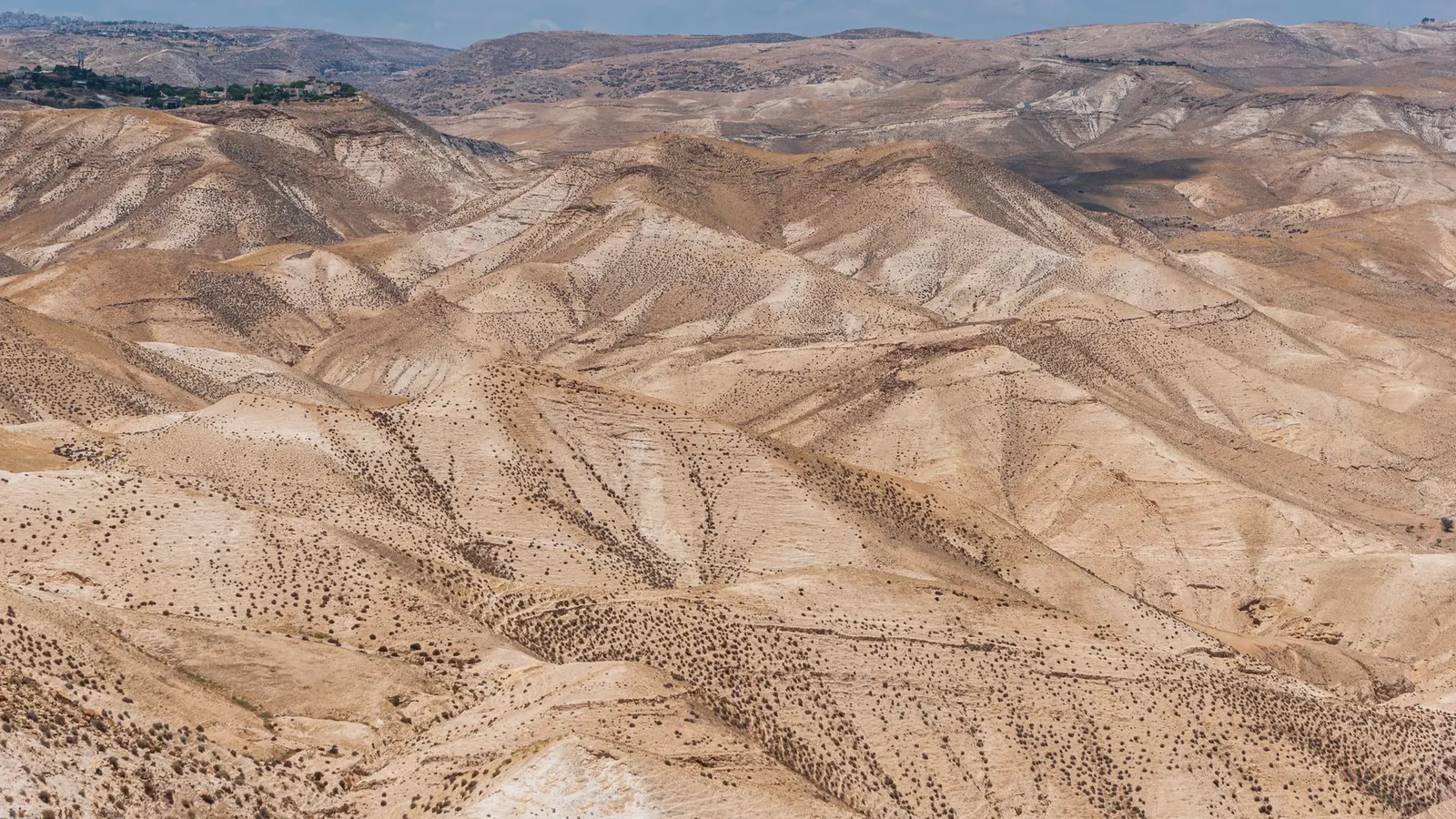
 Duc Tinh Ngo · Pexels License
Country Guide № 081 / 194 · Middle East
Israel
Jerusalem, the Dead Sea and Roman ports, in a country you can drive across in six hours.
“Jerusalem, the Dead Sea and Roman ports, in a country you can drive across in six hours.”
Israel packs an extraordinary amount into 22,000 square kilometres. Jerusalem's Old City holds the Western Wall, the Church of the Holy Sepulchre and the Haram al-Sharif within one square kilometre; Tel Aviv an hour away is a Mediterranean city of Bauhaus blocks, beaches and a restaurant scene with no obvious relation to it. The Dead Sea is the lowest point on earth, the Negev fills the south, and Masada and Caesarea are among the better-preserved Roman-era sites anywhere.
It is also a country where the regional conflict is never far from the surface, and travel here since October 2023 has been shaped by it. Rocket alerts, closures and border restrictions have affected different areas at different times, and foreign ministries issue detailed and frequently revised advice. Anyone planning a trip needs to read that advice close to departure rather than at booking, and to expect the picture to change.
Chapter 01
Highlights
Jerusalem's Old City
The Western Wall, the Church of the Holy Sepulchre, the Haram al-Sharif and the four quarters within walls a kilometre across. Dress modestly; access to the Temple Mount is restricted by time and by the security situation.
Tel Aviv
The White City's Bauhaus blocks, UNESCO-listed, plus the beachfront, Jaffa's old port and a food scene that is the best in the region.
Masada and the Dead Sea
A fortress on a plateau above the rift valley, best climbed for sunrise on the Snake Path, and the sea below it at 430 metres under sea level.
The Negev and Makhtesh Ramon
A 40-kilometre erosion crater in the southern desert, with hiking, dark skies and Bedouin-run accommodation. The Israel National Trail runs 1,000 kilometres through it.
Chapter 02
Entry requirements for Israel
Checking your passport…
up to 90 days · €6 / $6 · travel authorisation
90 days on arrival
Official portal only
Paid look-alike sites charge for a process that is free or cheap on the government portal. Use the link below and nothing else.
israel-entry.piba.gov.il →Before you fly
The detail
- Maximum stay
- up to 90 days
- Process
- travel authorisation
- Fee
- €6 / $6
- Processing time
- Processing takes 1–3 days - apply with room to spare.
- Passport validity
- Most destinations want validity beyond your stay, and some want six months. Check yours against the return date.
- Onward travel
- Airlines may ask for a return or onward ticket at check-in.
- Arrival form
- Entry card issued at immigration instead of a passport stamp; keep it for your whole stay and for departure.
- Health
- No vaccinations required. Healthcare is excellent and expensive; insurance is essential and must be checked against the current travel advisory, as many policies exclude countries under an all-travel warning. Tap water is safe. Heat in the Negev and around the Dead Sea is severe in summer. The Dead Sea is hard on eyes and cuts.
- Money
- Shekel. Cards are accepted almost everywhere and Israel is largely cashless. ATMs are widespread. Tipping is 10–15 % in restaurants and expected. Prices are high - comparable to Western Europe and higher than that for accommodation in Tel Aviv.
What changed
Since January 2025 an approved ETA-IL is required before boarding, replacing the old walk-up arrangement for visa-exempt nationalities: 25 shekels, applied for on the Population and Immigration Authority’s own portal, usually returned within minutes although the authority asks for up to 72 hours. It is valid for two years or until the passport expires and covers repeat visits of up to 90 days, granted at the officer’s discretion rather than as an entitlement. Israel does not stamp passports on arrival at Ben Gurion - you are given a blue paper entry card instead, which is worth keeping, because hotels need it for the VAT exemption and checkpoints may ask for it. The stamp question survives at the land borders: a Jordanian or Egyptian stamp from Allenby or Taba is evidence of an Israeli visit, and Iran, Lebanon, Syria, Libya and Yemen all refuse entry on that evidence. Allow three hours for departure security, expect detailed questioning in both directions, and read the current travel advisory before booking, since flights have been suspended and airspace closed at short notice more than once in the last two years.
Check another destination with this passport →
Entry details: Editorial synthesis - Israeli Population and Immigration Authority ETA-IL scheme, Ministry of Foreign Affairs entry guidance (2025–2026) · compiled 15 Sept 2026
Who needs a visa for Israel
12 common passports| Passport | Requirement | Stay | Process |
|---|---|---|---|
| United States | eTA | - | eTA · €6 / $6 · 1–3 d |
| United Kingdom | eTA | - | eTA · €6 / $6 · 1–3 d |
| Germany | eTA | - | eTA · €6 / $6 · 1–3 d |
| India | e-Visa | - | No Other passports record yet |
| China | e-Visa | - | No Other passports record yet |
| Brazil | eTA | - | No Other passports record yet |
| Nigeria | e-Visa | - | No Other passports record yet |
| Indonesia | e-Visa | - | No Other passports record yet |
| Philippines | eTA | - | No Other passports record yet |
| Vietnam | e-Visa | - | No Other passports record yet |
| Egypt | e-Visa | - | No Other passports record yet |
| Nepal | e-Visa | - | No Other passports record yet |
Holding a passport that is not listed? The picker above answers for any of them. See where your passport takes you. Source: Passport Index, updated 15 Aug 2026.
Chapter 03
When to go
BestMar–May, Oct–Nov. AvoidJul–Aug.
Wildflowers and warm days - an excellent month.
The band above each month is our editorial verdict - it weighs crowds, prices and access as well as weather. The line is average daily temperature, the bars are monthly rainfall. Select a month for the figures. Climate figures: ERA5 reanalysis via Open-Meteo, 2005–2024 normals.
Chapter 04
What it costs
A day in Israel
Comfortable · sample day
≈ $151
Line items are real prices we track. The daily budget is an editorial estimate for this level, not their sum.
Where this sits among 244 countries we have costed
The Jewish holiday calendar drives prices more than the weather - Passover in spring and the autumn holidays fill hotels and close businesses, and Christmas in Bethlehem and Jerusalem does the same. Tel Aviv is expensive year-round. Visitor numbers have fallen sharply since October 2023 and some accommodation is discounting well below the historical norm.
Updated Aug 2026 · Editorial synthesis - Israel Railways fares, Nature and Parks Authority tariffs, accommodation sampling (2025–2026) · confidence medium
Excludes international flights - they depend on where you fly from.
Chapter 05
Regions to know
5Jerusalem
The Old City and its quarters, the Mount of Olives, Yad Vashem and the Israel Museum with the Dead Sea Scrolls.
Tel Aviv & the coast
The Bauhaus White City, Jaffa, the beaches, and the Roman port and aqueduct at Caesarea north.
The Galilee & the north
The Sea of Galilee, Nazareth, Akko's crusader city and the Golan's hills - with border areas under advisory.
The Dead Sea & the rift
Masada, Ein Gedi's oasis, Qumran and the lowest point on the earth's surface.
The Negev & Eilat
The Ramon crater, desert hiking, Timna's copper mines and Red Sea diving at the southern tip.
Chapter 06
Practical guide
Getting there
Ben Gurion (TLV) near Tel Aviv is the main airport with extensive international service, though schedules have been disrupted repeatedly since 2023 with airlines suspending and resuming routes. Ramon (ETM) near Eilat takes some flights. Land borders with Jordan and Egypt operate with conditions that depend on the security situation.
Entry formalities
Entry card issued at immigration instead of a passport stamp; keep it for your whole stay and for departure.
Getting around
Trains link Tel Aviv, Jerusalem, Haifa and Ben Gurion airport and are fast and cheap; buses cover everywhere else. Everything stops for Shabbat. A rental car is useful for the Negev and the Galilee. Use the Moovit or Rav-Kav systems for public transport payment. Note that most rental agreements exclude the West Bank.
Money & costs
Shekel. Cards are accepted almost everywhere and Israel is largely cashless. ATMs are widespread. Tipping is 10–15 % in restaurants and expected. Prices are high - comparable to Western Europe and higher than that for accommodation in Tel Aviv.
Safety
The security situation is the defining consideration and is covered in detail by every foreign ministry. Beyond it, ordinary crime is low. The Home Front Command app gives rocket alerts and shelter instructions and should be installed on arrival. Follow official instructions immediately when an alert sounds. Desert hiking carries heat and flash-flood risks. Border areas with Lebanon, Syria and Gaza carry specific restrictions.
Health
No vaccinations required. Healthcare is excellent and expensive; insurance is essential and must be checked against the current travel advisory, as many policies exclude countries under an all-travel warning. Tap water is safe. Heat in the Negev and around the Dead Sea is severe in summer. The Dead Sea is hard on eyes and cuts.
SIM & internet
Local SIMs and eSIMs are cheap and coverage is excellent. Free wifi is widespread. Install the Home Front Command alert app. Note that mobile coverage in the West Bank switches between Israeli and Palestinian networks, with roaming implications.
Chapter 07
Driving
Most rental agreements explicitly exclude driving in the West Bank and insurance is void there - check the contract rather than assuming. Israeli plates and Palestinian plates are restricted to different road networks in parts of the West Bank. Driving standards are assertive and the accident rate is high.
Rules change - verify with an official source before you rent.
ExplWorld VerifiedNo verified partners here yet - all 6 country seats are open.
Become ExplWorld Verified →Chapter 08
Itineraries through this country
Chapter 09
From the Journal
Chapter 10
Before you go
IsraelChapter 11
Frequently asked questions
Is it safe to travel there now?
It depends entirely on when you ask and where you go, and that is not evasion - conditions have changed repeatedly since October 2023 and continue to. Foreign ministries publish detailed regional advice covering the northern border, the areas near Gaza, the West Bank and the country generally, and they revise it often. Read it days before departure, not months. Ensure your insurance covers the current advisory position; many policies will not.
What happens on Shabbat?
From Friday afternoon to Saturday evening, public transport largely stops, most shops close and Jerusalem in particular shuts almost completely. Tel Aviv keeps restaurants and some transport running, and shared taxis (sherut) operate. Plan accommodation and travel around it - arriving in Jerusalem on a Friday afternoon without a plan is a common mistake.
Will an Israeli stamp cause problems elsewhere?
Israel stops stamping passports at the main airport and issues a separate entry card instead, precisely for this reason. Several countries - Lebanon, Syria, Iran, Saudi Arabia and others - refuse entry to anyone with evidence of an Israeli visit, and land-border stamps from Jordan or Egypt can reveal it indirectly. Keep the entry card and be aware of the sequence if you plan to travel onward in the region.