 Stella 16 / stock.adobe.com
Report · Borders & Mobility
The Country You Never Entered
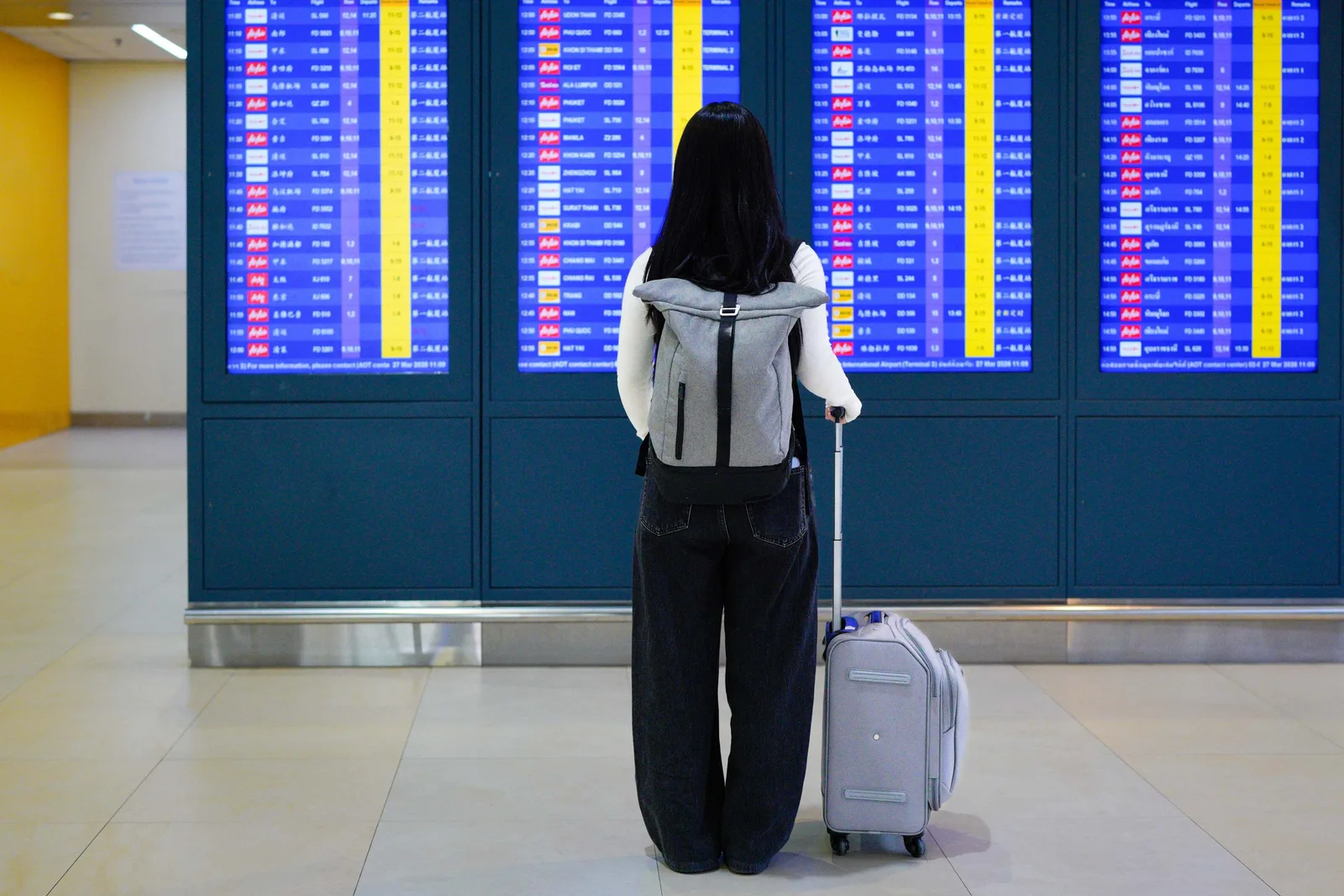
Changing planes is usually nothing. The exceptions - airport transit visas, baggage that is not checked through, a terminal change that puts you landside - are why passengers get refused boarding for a country they were never going to set foot in.
Most of the time, changing planes in a country you have no right to enter is fine. You stay airside, you never see an immigration desk, and the country’s rules about you are irrelevant. The exceptions to that are the reason a small number of travellers are refused boarding on the first leg of a journey, for a country they were never going to set foot in.
When transit needs a visa
Three situations. First, a substantial set of destinations - the whole Schengen area among them, under a common list plus national additions - require an airport transit visa from nationals of specific states even for a same-terminal connection without clearing immigration. The requirement is about the passport, not the itinerary, and the lists are published and revised periodically.
Second, any connection that requires you to clear immigration is an entry, and needs whatever an entry needs. Changing terminals at some airports, collecting and re-checking baggage, or moving between two airports in the same city all fall into this category, and so does any connection at an airport with no sterile transit area at all - which describes a surprising number of airports outside the major hubs.
Third, an overnight connection where the airside area closes. A great many airports shut their transit zones between the last arrival and the first departure, and a passenger with no right of entry and nowhere airside to wait is a problem the airline will decline to create.
The baggage question is the one that catches people. If your bags are not checked through to the final destination - common on separate tickets, and on some interline combinations - you must collect them, which means entering the country, which means an entry requirement. A single booking usually checks through; two bookings usually do not, and "usually" is doing a great deal of work in both cases. Ask at the first check-in desk and get the answer before you clear security.
The airline is not being difficult. It is fined for carrying a passenger the destination refuses, so it applies the rule before the rule can be applied to it.
The generous side
The traffic runs the other way too. A number of major hubs offer visa-free transit windows precisely to convert connections into short stays - a defined number of hours on arrival, sometimes conditional on holding an onward ticket to a third country rather than back to the origin, sometimes restricted to particular cities or entry points, sometimes available only to arrivals on the national carrier.
Several hub carriers add a free or heavily subsidised hotel for long layovers, and one or two run a formal stopover programme that sells the connection as a two-city trip. These are real, they are worth planning around, and the conditions attached to them are strict enough that arriving without having read them is a poor idea. The commonest disqualification is an itinerary that returns to its origin through the hub - transit to a genuine third country qualifies where a there-and-back does not.
The checks to run
For every connection over which you have a choice, confirm: does my passport require an airport transit visa here; will my baggage be checked through; do I change terminals, and does that involve landside movement; is the connection long enough that the airside area closes; and does the onward flight depart from the same airport. Five questions, answerable before booking, that between them account for almost every transit refusal.
Add a sixth for anyone connecting onto a separate ticket: what happens if the first leg is late. A single booking obliges the carrier to rebook you; two bookings oblige nobody, and the missed connection is a new ticket at walk-up price in a country you may not be permitted to leave the airport in.
And be aware that transit rules are altered by decree faster than most visa rules, because they are administrative rather than legislative in most systems. A transit arrangement that worked last year is not evidence about this year, and the airline’s check-in system is the authority that will actually be applied to you - not the government website, and not this article.
Sources
- IATA Travel Centre (Timatic)
The same database airline check-in systems apply; the passenger-facing version answers transit-visa questions per passport, route and airport.
- The hub airport’s own transit pages
Airside opening hours, terminal-change mechanics and landside requirements are the airport’s own facts.