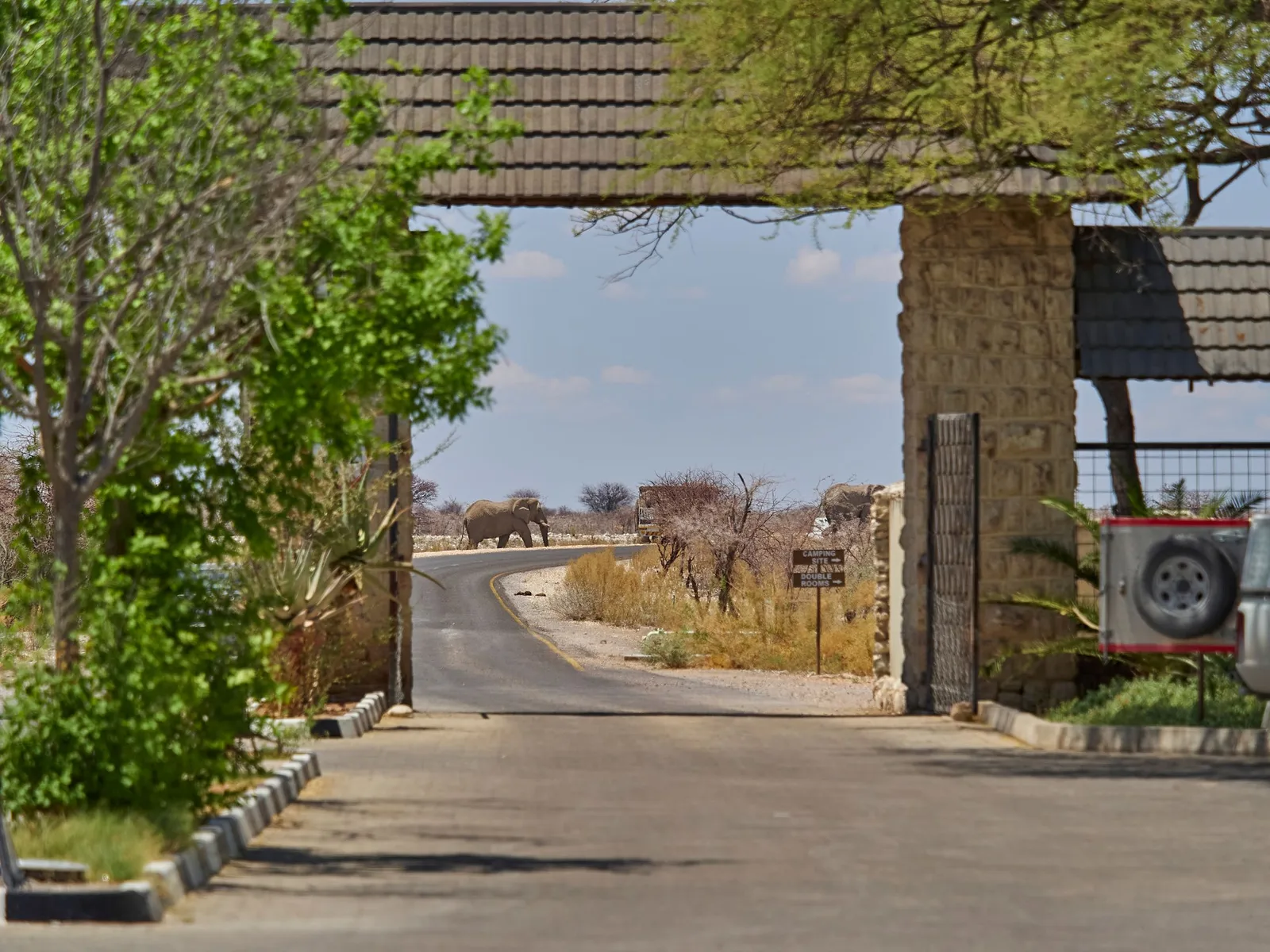
 jsp / stock.adobe.com
Report · Nature & Environment
The Low Price Is the Citizens’ Rate
A foreign visitor pays several times what a citizen pays at most park gates in the world, and the complaint this generates is misplaced. Where the revenue goes, why community revenue-sharing matters more than ranger budgets, and what to check.
In much of the world, a national park charges a foreign visitor several times what it charges a citizen. The multiple can be large - an order of magnitude is not unusual - and it reliably produces a certain kind of complaint at the gate. The complaint is misplaced, and the reasoning behind differential pricing is worth understanding rather than resenting.
The case for it
A park fee has to do two incompatible things: raise revenue for conservation, and remain affordable to the people in whose country the park sits. A single price cannot do both where incomes differ by a factor of twenty between the visitor and the resident. Set it at a level the foreign visitor finds trivial and it excludes citizens from their own heritage; set it at a level citizens can pay and it forgoes revenue the conservation budget genuinely needs and cannot raise elsewhere.
Differential pricing resolves this by charging according to ability to pay, which is the same principle that underlies progressive taxation, student discounts and means-tested fees everywhere. It is not a surcharge for being foreign; it is a discount for being resident, and many systems extend it to residents regardless of nationality - where one does, that is the test of whether it is doing what it claims rather than simply taxing outsiders.
There is a second argument that is rarely made and is stronger than it looks. The foreign visitor is, in most of these countries, the reason the park has a commercial value at all. The conservation case for keeping land out of agriculture rests substantially on what visitors pay, and a fee that is low enough not to be noticed is a fee that is failing to make that case.
The high price is not the tourist rate. The low price is the citizens’ rate, and the park exists in their country.
Where the money goes, and the honest caveat
The best systems ring-fence gate revenue for the conservation authority and publish what it funds: ranger salaries, anti-poaching operations, road and trail maintenance, and community revenue-sharing schemes that pay a defined share to the settlements bordering the park.
Those schemes matter more than anything else in the list. A park whose neighbours receive nothing from it is a park with a poaching, grazing and encroachment problem that no ranger budget can solve, because the people best placed to protect it have every incentive not to. Where a share of gate revenue reaches households or village funds, the enforcement problem changes shape entirely - and the schemes that work are the ones where the payment is predictable, visible and not routed through several intermediaries.
Not every system does this. Where fees enter a general treasury, the connection between the gate and the ground is a matter of trust rather than accounting, and in some countries the conservation authority is chronically underfunded despite substantial gate income. A visitor cannot easily tell which is which, and it is not a reason to avoid the gate - but it is a reason to prefer, where a choice exists, the operators, lodges and community conservancies that are demonstrably inside the revenue-sharing arrangements.
Practicalities
Fees are frequently payable in a specific currency or only by card, and the mode varies by gate rather than by park - the main gate takes cards, the northern gate takes cash in local currency only, and neither fact is published anywhere findable. Assume cash in local currency, in small notes, and carry a card as the backup rather than the plan.
Multi-day and multi-park passes are often much better value than the daily rate and are sold only at the main gate or online in advance, never at the gate you are actually arriving at. Vehicle fees, guide fees, conservation levies, community levies and camping fees are usually separate line items stacked on the entry fee, and the total is what to budget rather than the headline. Residency discounts require documentation - a residence permit, not a claim, and often not a driving licence.
The number that matters most is the one you will not see: in several countries, the gate fee is the largest single funding source for the entire protected-area system. Paying it in full at the correct rate is the most direct conservation contribution most visitors will make on the trip, and it is considerably more effective than anything with a certificate attached.
Sources
- The national parks or wildlife authority of the destination
Gate fees, resident definitions and payment modes per gate are the authority’s published schedule, usually revised yearly.