 olrat / stock.adobe.com
Report · Cities & Tourism · Culture & Place
The Way In Without Paying
Nearly every major public museum has a mechanism for getting in free, and almost none advertise it. The four models, why they follow the funding rather than the wealth, and the arithmetic that decides whether a city pass is worth buying.
Almost every major public museum in the world has a mechanism for getting in without paying, and almost none of them advertise it prominently. The mechanisms differ by country in ways that follow the funding model rather than the wealth of the institution, and knowing the pattern is worth more than any list of names.
The four models
Permanently free. Where national collections are treated as a public service funded from general taxation, the permanent collection is free to everyone and the temporary exhibition is ticketed. The United Kingdom’s national museums are the best-known example of this settlement; it is a policy decision, introduced deliberately, periodically contested in every spending review, and not a natural state of affairs.
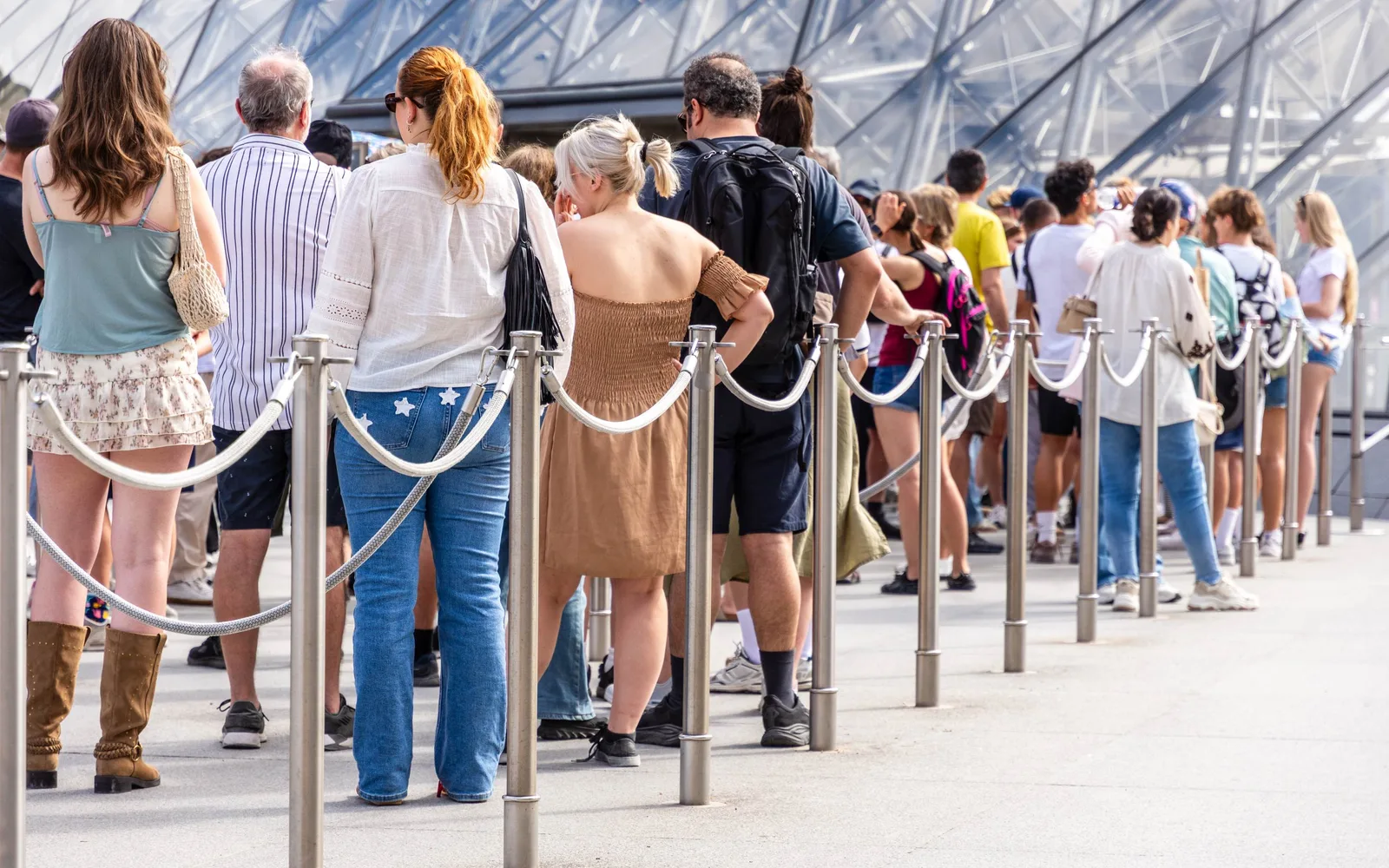
Free on a schedule. A designated day each month, or a defined evening, or a week in a shoulder season. This is a common arrangement in continental Europe and in much of Latin America, and in France and Italy among others it is a state rule for the national museums rather than an institutional choice. The free day is genuinely free and genuinely busy - the queue is the price, and it is a fair one.
Free by category. Under-eighteens, students, residents of the city or the country, teachers, the unemployed, disabled visitors and a companion. These exemptions are extensive, legally mandated in several countries, and require documentation that is often specified narrowly - a national student card rather than an international one, a residence permit rather than an address.
Pay what you wish. A suggested price that is genuinely a suggestion, sometimes only for residents of the state or city and full price for everyone else. The wording on the sign is the whole of the rule and it repays reading carefully, because "suggested" and "required" have been known to appear in the same sentence.
The free day is not a promotion. In France and Italy, among others, it is a state rule for the national museums, which is why it survives budgets that cut everything else.
What free actually costs
Two things, and both are manageable. The first is the crowd, which on a free day at a major institution is substantial and concentrated in the two or three rooms everybody has come for. The second is that free increasingly means reserved: the popular institutions have moved to timed booking on free days precisely because the alternative was unmanageable, and the slots are released on a schedule and taken quickly.
A free ticket that requires a reservation you did not make is not a free ticket. Checking the reservation mechanism is more important than checking the date.
The city pass question
A city pass bundles admissions and transport for a fixed price and is worth it under one condition: that you would have paid for at least the number of included attractions its break-even requires, at full price, on the days it is valid. That condition is met less often than the marketing implies, because passes are priced against an itinerary more intensive than most people actually manage, and because the highest-value item in the bundle is frequently free anyway on the day you were going.
Do the arithmetic against your real list rather than the possible one. Two major admissions plus transport is usually below break-even; four is usually above it. Check whether the pass includes timed reservation at the sites that require it, because a pass that gets you a discount but not a slot at the one thing you came for is a worse deal than a direct booking. And check whether the clock starts on purchase or on first use, which decides whether a late-afternoon arrival burns a day.
The practical routine
Check the institution’s own site for the free schedule rather than an aggregator, since the days move and aggregators lag by a season. Arrive at opening on a free day, or in the last two hours, when the queue has gone and the light in the galleries is better anyway. Book the free timed slot the moment it opens. Carry the documentation for any category exemption you intend to claim; the desk will ask, and a claim without evidence is refused as a matter of routine rather than suspicion.
And if none of that works, consider paying. A public museum with a serious collection and an entry charge is one of the few things in travel that is priced well below what it is worth, and the money goes where you would want it to.
Sources
- The institution’s own admissions page
Free days move, reservation requirements appear, and category exemptions specify their documents - aggregators lag by a season.