Journal
Reports, analyses and features from all 194 countries - the journalism behind the journeys.
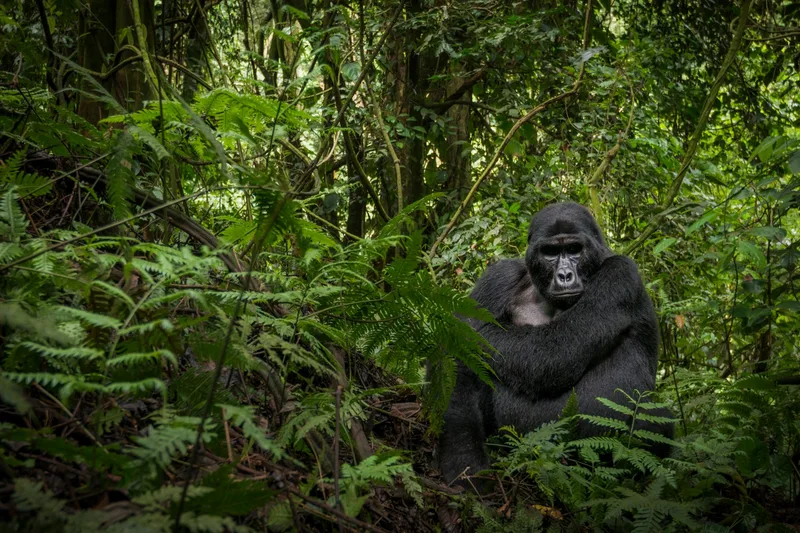
The Border the Gorillas Ignore
Roughly a thousand mountain gorillas live across three countries: one at war and under an Ebola emergency, one that has just ended its own outbreak, and one selling the world’s most expensive wildlife permit. A thousand kilometers west, their lowland cousins can be visited in three more countries including the forest where Ebola once killed five thousand of them. What a visit in 2026 actually involves, what it costs and what it costs the animals.
Four Million Francs
In February 1861 Monaco signed away Menton and Roquebrune for four million francs and lost about ninety-four per cent of its territory in an afternoon. It has spent the last sixty years manufacturing a fraction of it back out of the sea, most recently six hectares that cost in the region of two billion euros.
The Line Around the Centre
In July 2017 UNESCO inscribed Asmara - a city laid out by an Italian colonial administration and largely built in the six years before the Second World War - as a World Heritage Site, listed as a whole rather than as a handful of monuments. The reason there was anything left to inscribe is a moratorium declared in 2001 and an economy with no money to knock anything down.
The Country That Nationalised Its Screens
In 1970 Upper Volta took over the distribution and exhibition of film across the whole country - the halls, the bookings, the box office - and the two French companies that had supplied West African screens for decades cut off the supply in response. The festival that decision paid for is still running every other year; the cinemas it was built on are almost all gone.
The Plaques on the Horseman
Skopje was rebuilt after the 1963 earthquake as an international project - a United Nations competition, a Japanese master plan and a concrete city paid for by seventy-eight countries. Half a century later the government wrapped much of it in plaster columns and bronze statues, and a treaty signed on a Greek lakeshore in 2018 obliged the city to bolt explanatory plaques onto them.
A Ruin With a Protection Order
The burnt shell of the Yugoslav army headquarters has stood on Kneza Miloša since 1999, protected as a cultural monument from 2005 and stripped of that protection by a government decision in November 2024. Prosecutors say the paperwork behind that decision was forged, and Serbia's culture minister went on trial over it in February 2026.
A Four Followed by Twenty-Nine Zeros
In July 1946 prices in Hungary doubled roughly every fifteen hours, the fastest inflation ever recorded anywhere. It was stopped on a single morning in August by a new currency, the forint, and that is still what Budapest prices in today.
Bridges Built to Be Destroyed
Iceland's ring road was only completed in 1974, across a black desert crossed by a river that appears once a generation carrying more water than the Amazon. The bridges were designed to fail.
The Island That Invented an Instrument
The steelpan is the only acoustic musical instrument invented in the twentieth century. It was invented in Trinidad, out of oil drums, by people the colonial authorities had banned from drumming and then banned from playing bamboo. What that says about carnival, calypso and the country is most of the story.
The Wooden City and the Forest Behind It
A synagogue and a mosque sharing a car park, four national cuisines and no argument about which is real. Behind the timber capital are the Maroon nations whose ancestors escaped the plantations, fought the Dutch to a standstill in the eighteenth century, and won a land-rights judgment in the twenty-first.
Two Countries, One Island
Hispaniola is the only Caribbean island split between two states, and the border is one of the sharpest economic gradients in the world. The oldest colonial city in the Americas, the massacre of 1937, a contested citizenship ruling - and a country most of whose visitors never leave the resort strip.
The Quiet Experiment
An eight-hour day and legal divorce before most of Europe. The first country in the world to regulate cannabis end to end. A grid that runs above ninety-five per cent renewable in most years. Uruguay keeps proving things are possible and nobody notices, which is roughly how it prefers things.
Two Currencies, One Island
For nearly thirty years Cuba ran two currencies and two parallel economies, which put surgeons behind the wheel of taxis. The unification of 2021 removed the duality and arrived alongside shortages, blackouts and the largest emigration in modern Cuban history. A portrait that holds both sets of facts at once.
The City That Keeps Time
Salvador is the oldest colonial capital of Brazil and the largest Black city outside Africa. Its religion survived three centuries behind Catholic saints, its martial art was banned by penal code, and its carnival is two million people in the street. A portrait of the city that keeps the country’s time.
Priced in Blue
The peso has more than one price, and every porteño can quote all of them. A portrait of a capital that has turned permanent monetary instability into an urban culture - of late bookshops, protected cafés, apartment towers held as savings, and a middle class that keeps its money in a domestic safe.
Bogotá Learns to Breathe
Every Sunday, the capital closes 120 kilometres of road to cars and hands them to cyclists, skaters and grandmothers walking arm in arm. At 2,640 metres, the city that outsiders still misread has quietly become a masterclass in urban reinvention.
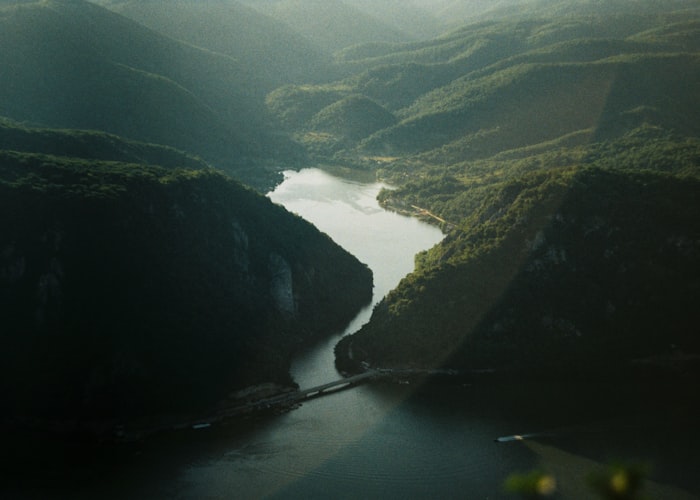
The River That Runs in Colours
For decades, Caño Cristales sat inside a war. Now the guides who once grew coca walk visitors along a river that turns red, yellow and green - and the town of La Macarena is betting its future on keeping it that way.
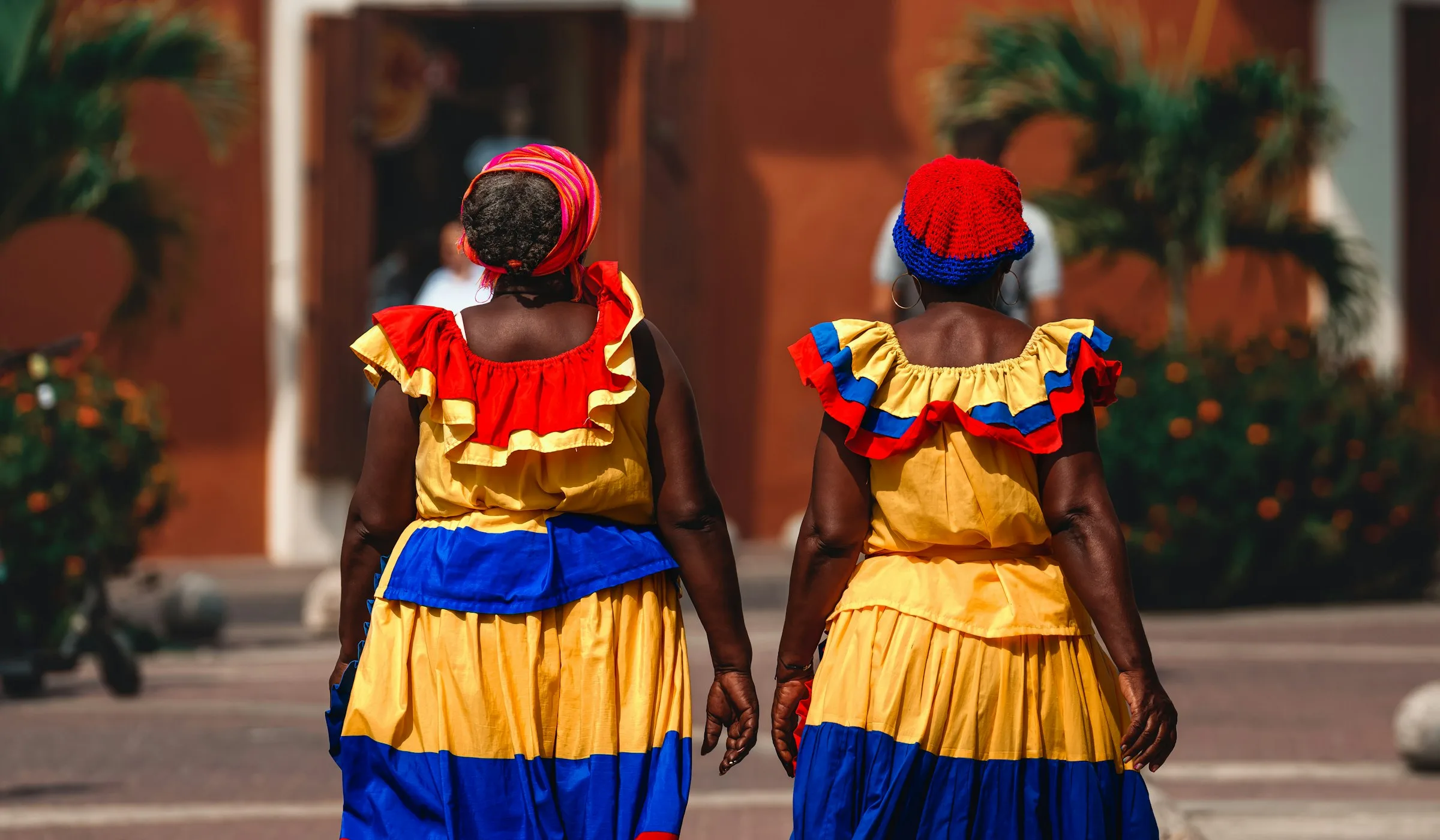
Cartagena's Hidden Neighborhoods, Street by Street
Past the walled city, the barrios stretch toward the sea. The real Cartagena eats at plastic tables and dances until 4am on Tuesday.
Tbilisi After Midnight: The City That Never Settled
A club in a drained swimming pool under a football stadium, sulphur baths in use since the city was founded, and a nightlife that in 2018 became the place a national argument was held.
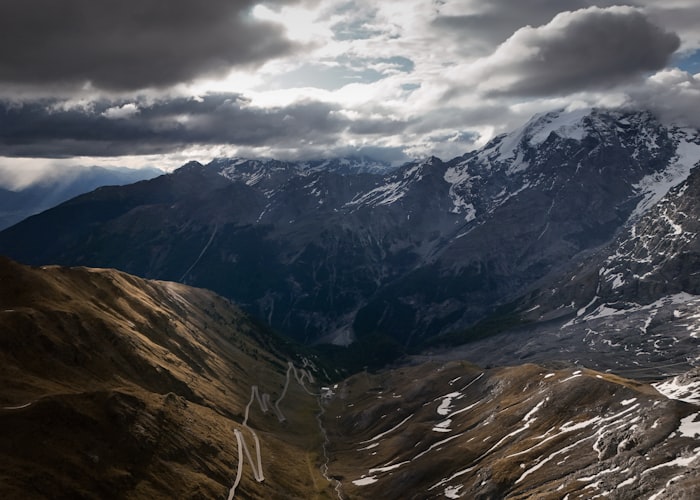
Crossing the Wakhan: A Winter Traverse
The Wakhan Corridor in winter is one of the world's most demanding journeys. High altitude, extreme cold, almost no infrastructure.
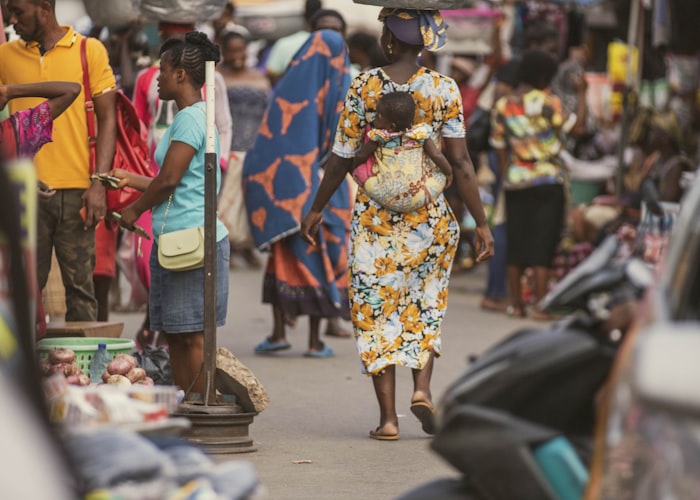
On the Road Through the Sahel
Crossing the semi-arid belt between the Sahara and savanna - a slow overland journey through Mali, Burkina Faso, and northern Ghana.
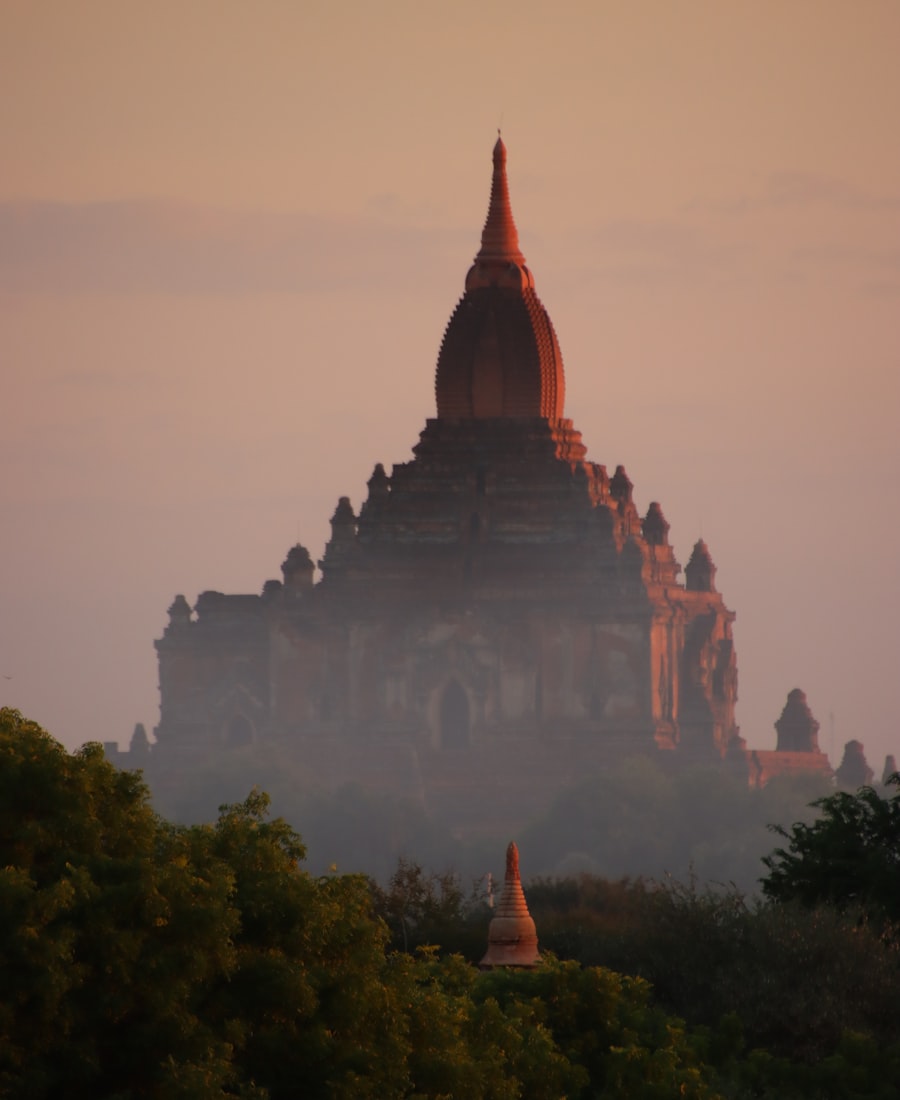
The Last Quiet Temples of Northern Cambodia
Beyond Angkor Wat, in the provinces where few tourists venture, centuries-old shrines sit half-buried in jungle. We spent three weeks cataloguing what remains.