Journal
Reports, analyses and features from all 194 countries - the journalism behind the journeys.
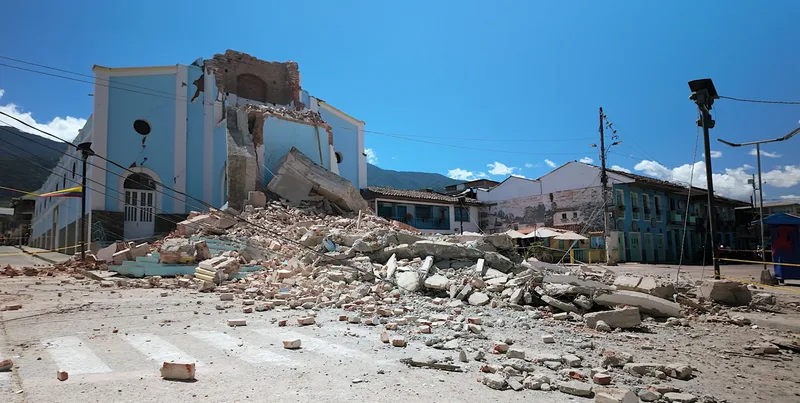
An Earthquake Without Borders
Colombia shook from a depth of more than a hundred kilometers. Venezuela still lives in the shadow of two shallow quakes. Geologically, no tectonic domino links them - yet in human terms they expose the same truth: magnitude alone does not make a disaster; the society it strikes does.
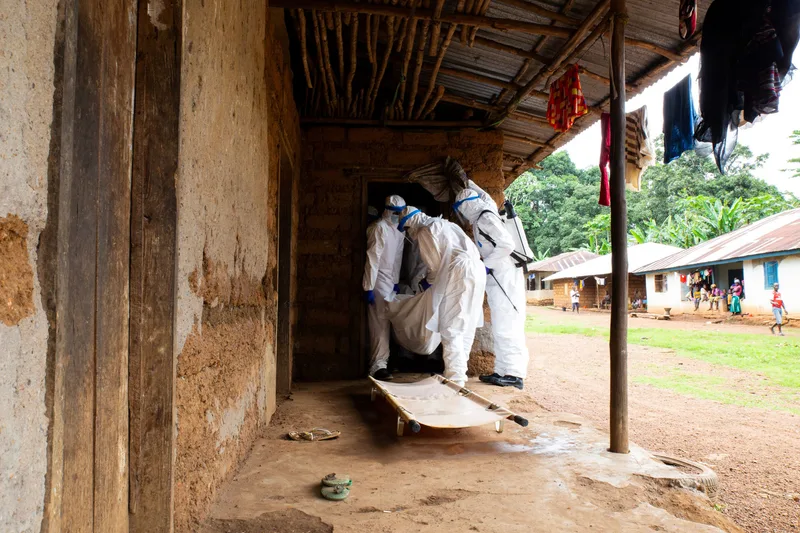
Ebola Without a Vaccine
The Democratic Republic of the Congo is fighting the largest Ebola outbreak in its history with a virus for which no vaccine and no treatment is licensed. Six thousand confirmed cases in fifteen weeks, an armed conflict at the epicenter, and a world that had prepared for a different strain.
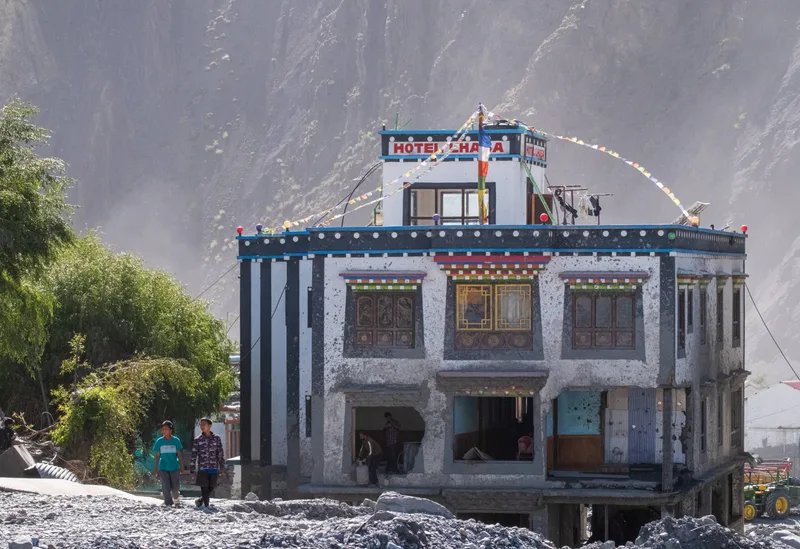
The Gateway That Flooded Twice
Rasuwagadhi is the only major road crossing between Nepal and China, and the single overland funnel for Kailash pilgrims, Langtang trekkers, and most of Nepal’s China trade. On August 26, 2026, it was destroyed for the second time in thirteen months. The first official explanation - an earthquake - turns out never to have happened.
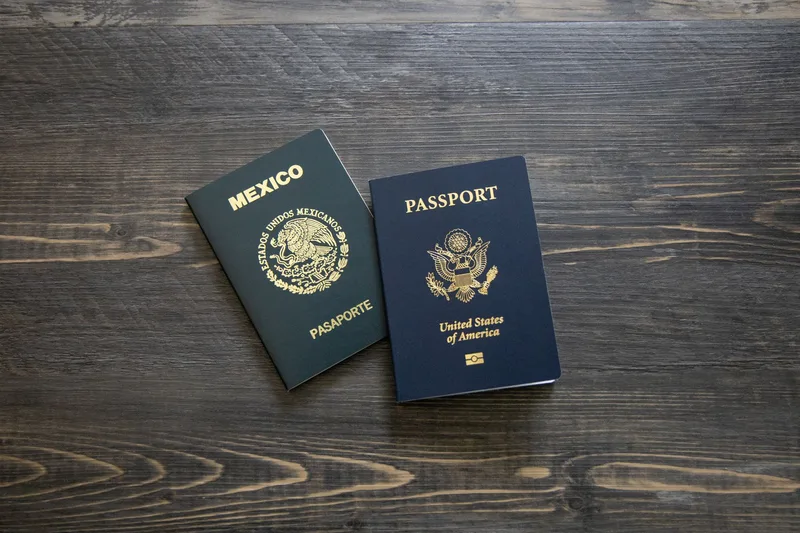
Which Passport to Show
Two passports is not a free choice at every desk. Enter and leave a country on its own document; use whichever you like for third countries; and check very carefully before travelling to a country that does not recognise dual nationality at all.
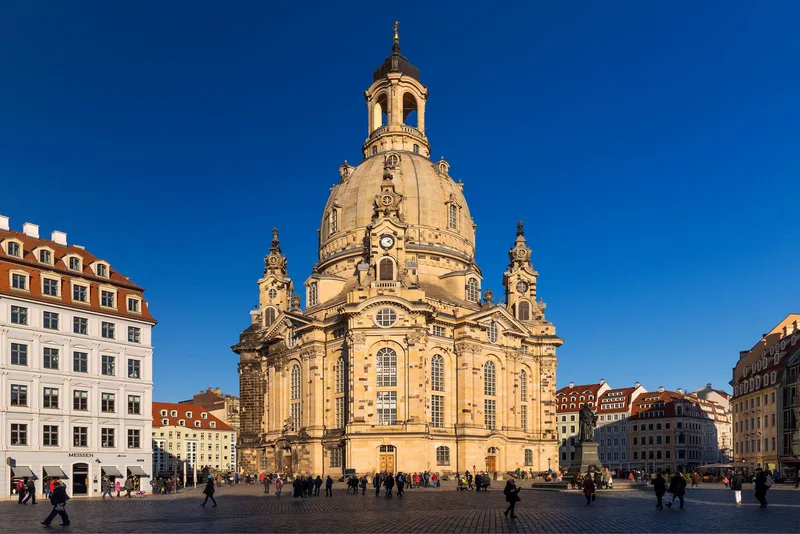
Younger Than the People Walking Through Them
Warsaw, Dresden and Frankfurt each rebuilt what the war removed, and each did it for a different reason with the same technique. The conservation objection, the residents’ reply, and why the newest old town is interesting about something else.
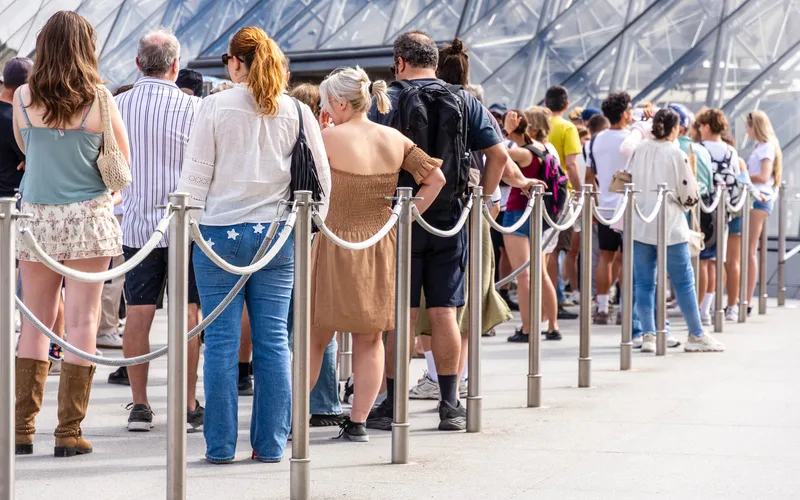
The Way In Without Paying
Nearly every major public museum has a mechanism for getting in free, and almost none advertise it. The four models, why they follow the funding rather than the wealth, and the arithmetic that decides whether a city pass is worth buying.
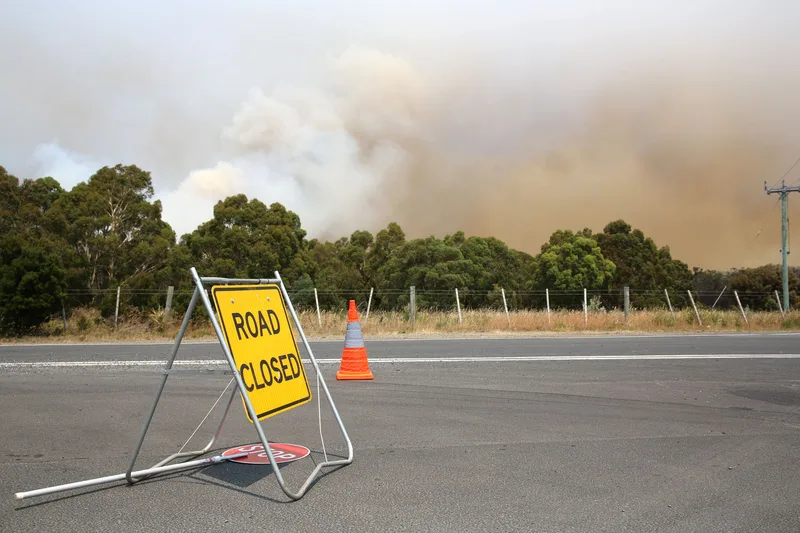
The Fire Is a Hundred Kilometres Away
What ends a trip is rarely flame. It is smoke across three hundred kilometres, a closed valley, a suspended ferry and an insurance position that does not cover any of it - plus the fire restrictions a visitor is most likely to break.
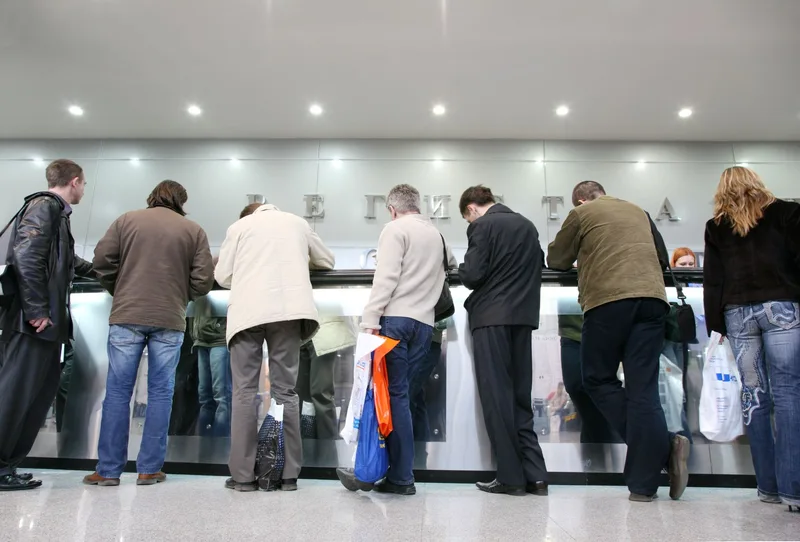
Thirty Units and a Closed Window
Most of the world folded departure tax into the ticket. In the places that did not, a small cash payment at a specific window in a specific currency stands between a passenger and their flight - and the desk closes before the gate does.
The Country You Never Entered
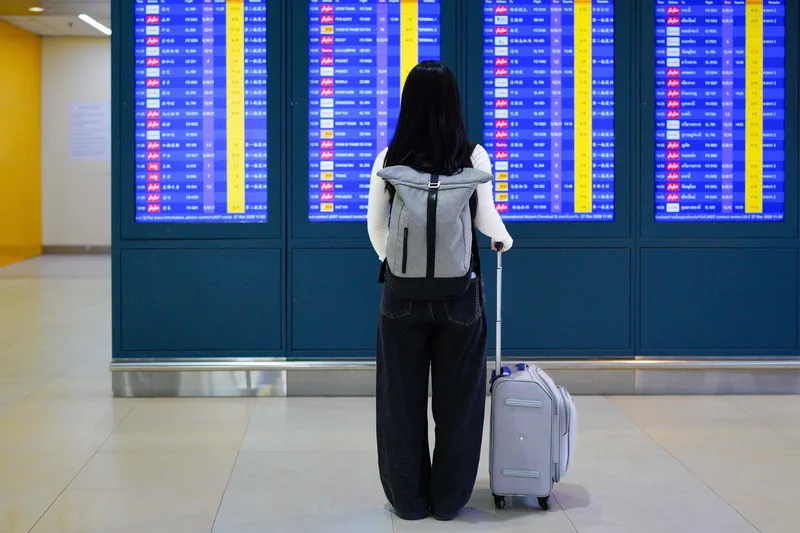
Changing planes is usually nothing. The exceptions - airport transit visas, baggage that is not checked through, a terminal change that puts you landside - are why passengers get refused boarding for a country they were never going to set foot in.
The Sign Stood for Decades
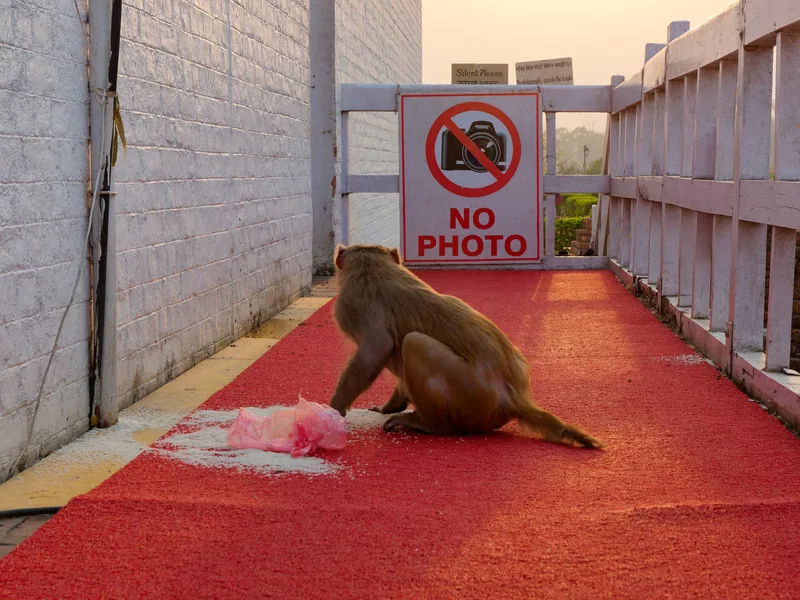
The list of things a visitor may do at significant sites is getting shorter, and crowd management is not the reason. The recurring shape of these closures, and why "but it was allowed before" is not the argument it sounds like.
One Bed Per Night
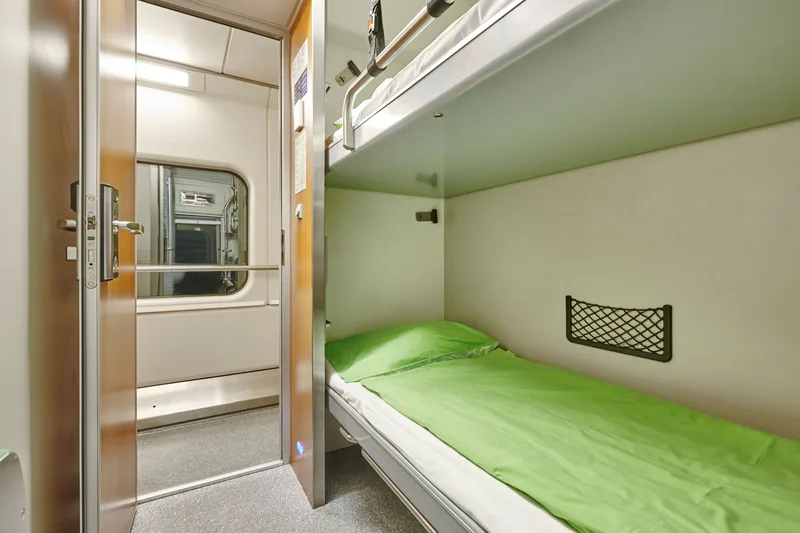
Europe spent twenty years closing its night trains and a decade reopening some of them. Both decisions were rational on the numbers of their time, which is why the network that came back is the shape it is.
Starving, Not Dead
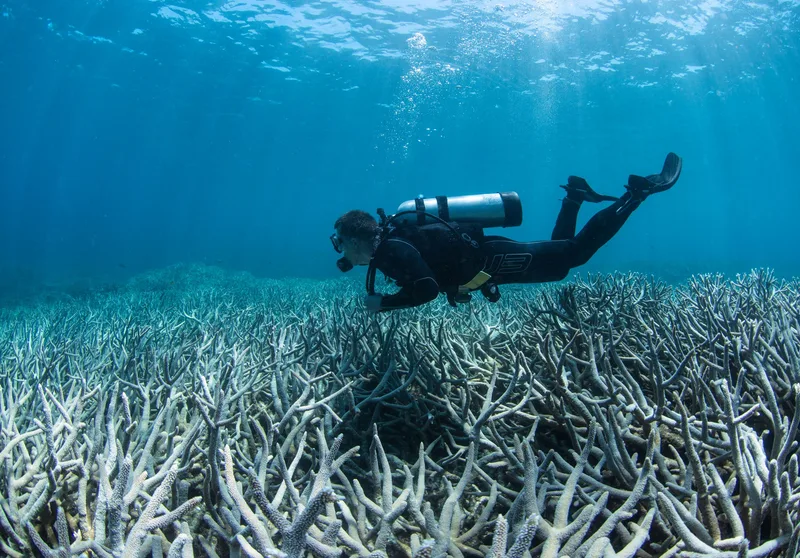
A bleached reef is a starving animal, not a dead one, and whether it recovers is decided by the next hot season. What that means for where diving is still worth the airfare - current, depth and enforcement, in that order.
The Counters That Still Want Notes
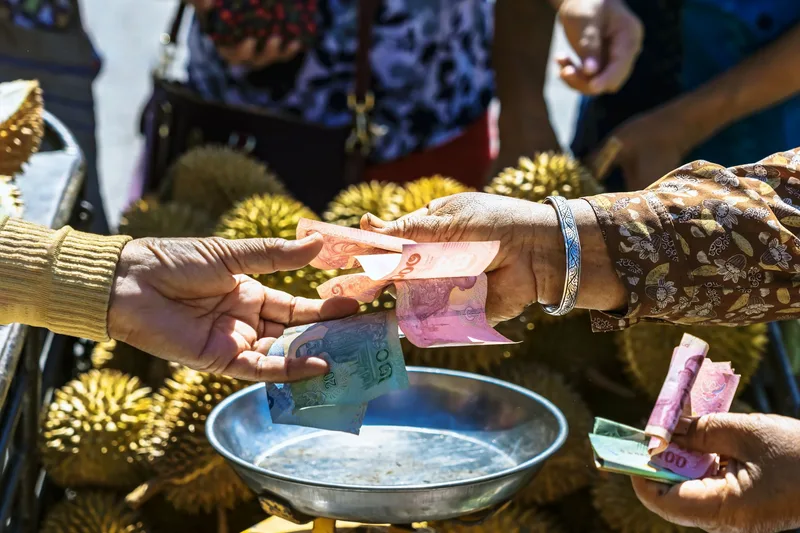
The map of where cards fail does not follow income and does not follow the obvious geography. Border posts, park gates and ferry tickets are cash transactions in a great many countries whose restaurants take contactless without blinking.
The Road Is Not the Crossing
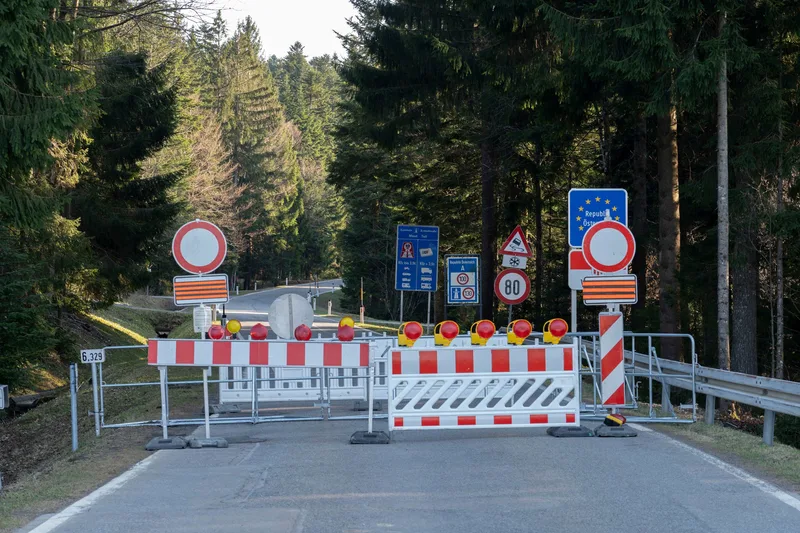
Air routes fail visibly. Land borders fail quietly - closed for years while the map still shows the road, or open to the two neighbouring nationalities and to nobody else. The four kinds of closure, and how to check before you commit.
Every Rule Is a Record of Something
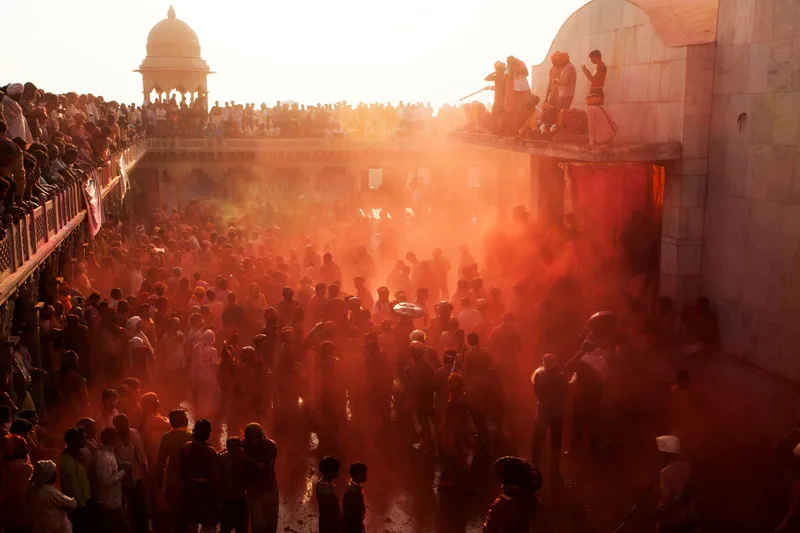
Ticketing, separation, enforced behaviour rules, closure. The four ways a community responds when enough outsiders want to watch what it does for itself - and how to tell a procession from a parade before you raise a camera.
The Lever a Planning Committee Already Has
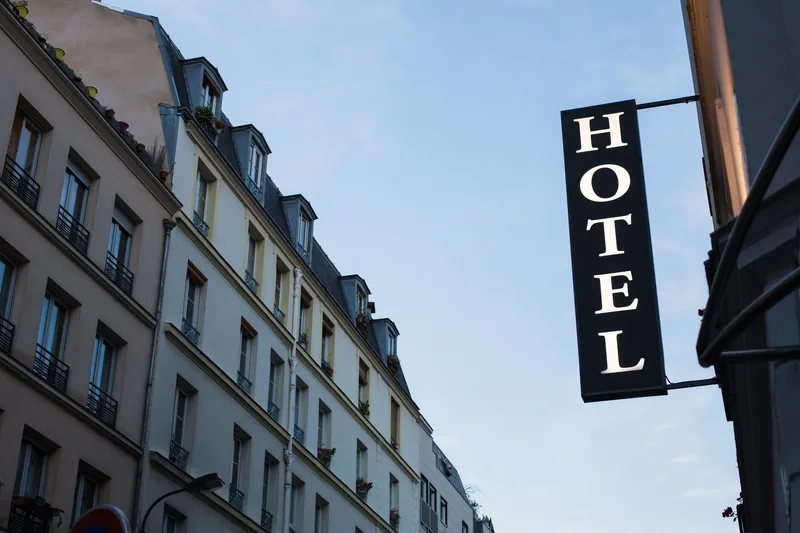
A city cannot cap arrivals without a border. It can cap beds with a planning committee - and a growing number have. What a bed cap reaches, what it misses entirely, and where the value moves when it lands.
The Low Price Is the Citizens’ Rate
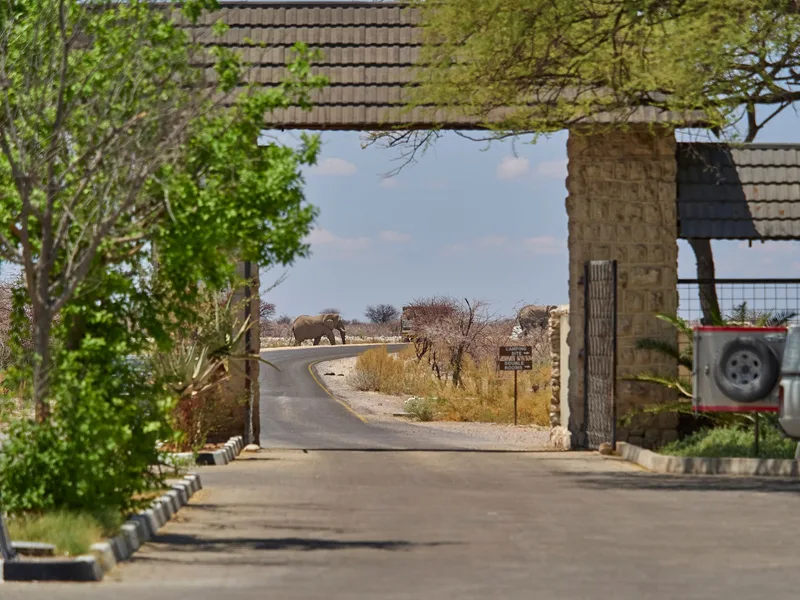
A foreign visitor pays several times what a citizen pays at most park gates in the world, and the complaint this generates is misplaced. Where the revenue goes, why community revenue-sharing matters more than ranger budgets, and what to check.

Everything Between the Quote and the Bill
Resort fees, city levies, regional levies, cleaning charges, pre-authorisation holds and the counter upsell on car insurance. A full accounting of the charges between the price you booked and the money that leaves your account.
The Window Moves With You
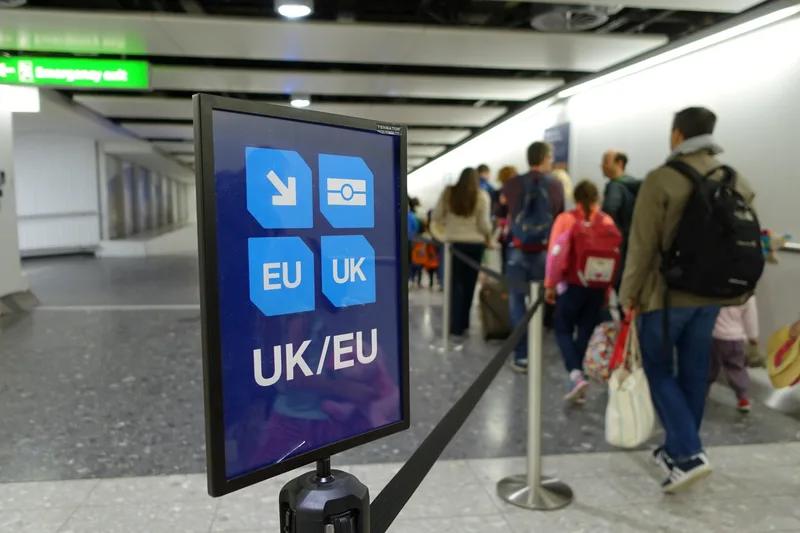
Ninety days in any hundred-and-eighty. Not per visit, not per half-year, and it does not reset when you leave. The rolling window is stated in one line and miscounted by almost everyone who relies on it.
A Generation Earlier
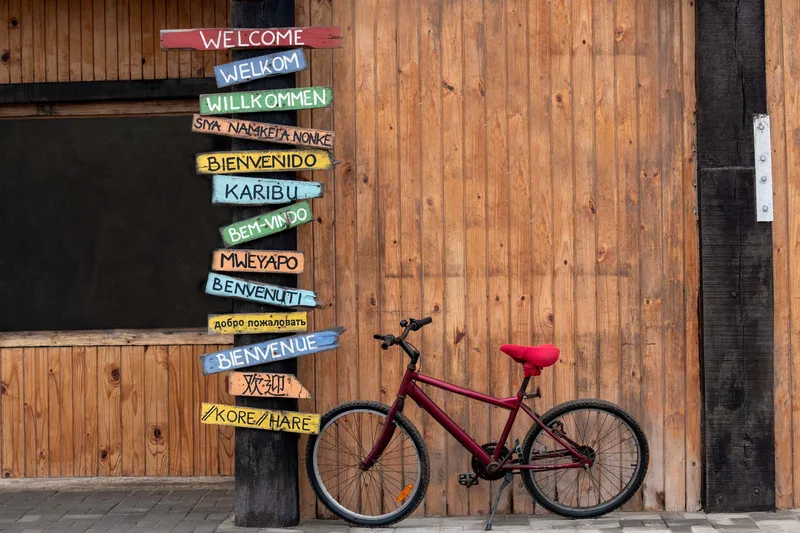
In a great many destinations the language in the market is not the language on the signs. How transmission actually breaks, what revival looks like when it works, and the small thing a visitor can genuinely do.
Four Instruments and a Housing Market
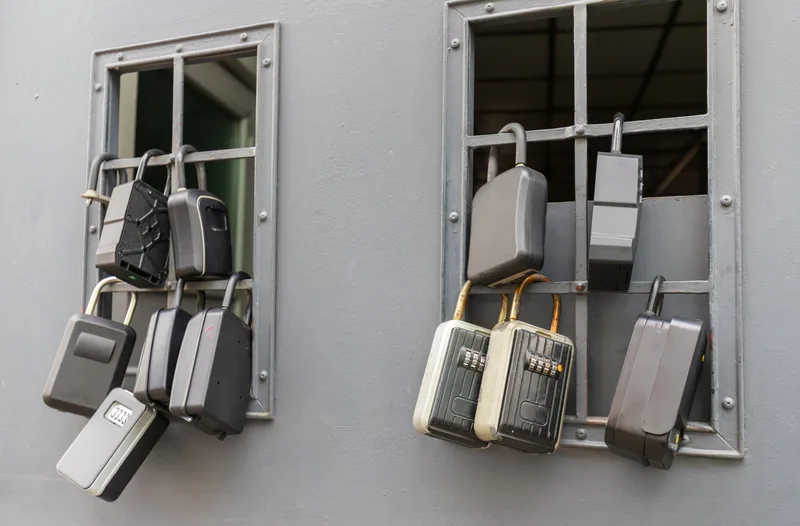
Registration, night caps, zone refusals and principal-residence rules. The anatomy of short-let regulation, why an unlicensed listing is the guest’s risk rather than the host’s, and what an enforcement action does to a booking.
The Rate the Machine Offers You
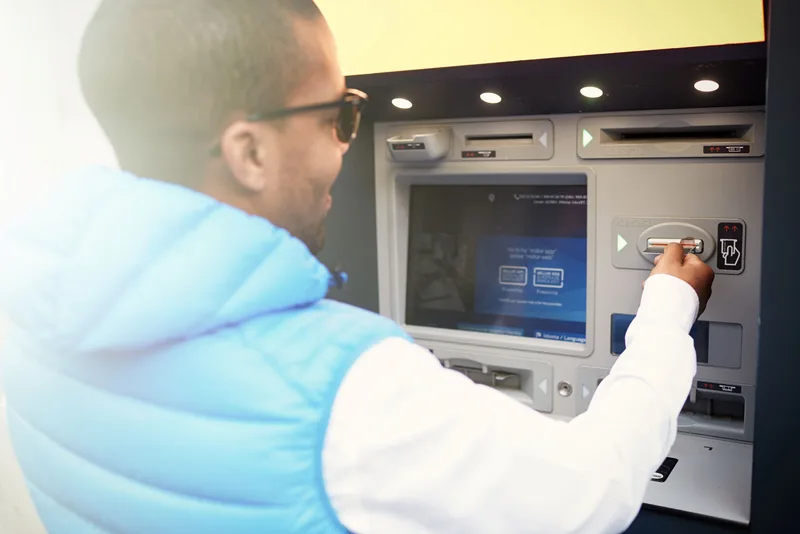
The ATM asks whether you would like to be charged in your own currency, at a rate shown helpfully on screen. Accepting is the single most reliable way to lose money abroad - and it does not remove your own bank’s foreign-transaction fee either.
The Newest Marker Is Furthest From the Ice
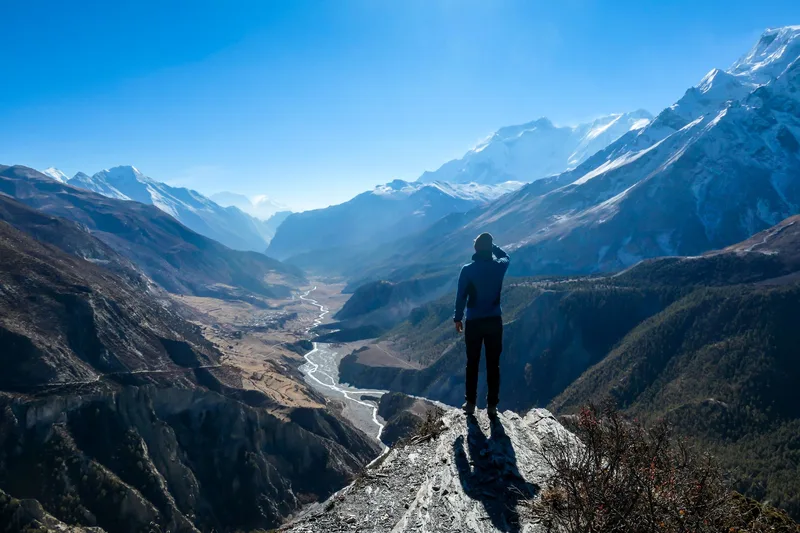
Retreat has outrun the infrastructure built to show it: viewpoints of where a glacier was, approaches over unstable moraine, and a permafrost problem above the ice that has closed classic routes outright.
The Stamp Becomes a Database
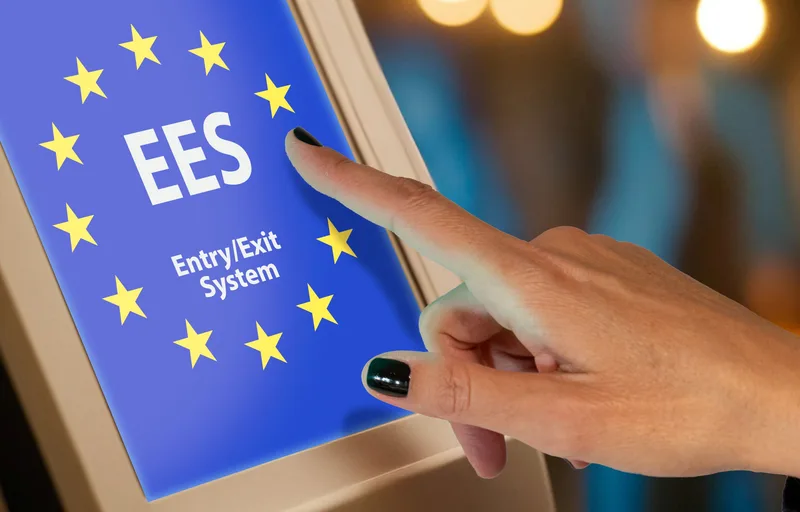
Europe is replacing the passport stamp with a biometric record of every external crossing. The short-stay rule has not changed at all. The probability of the rule being noticed has changed completely.
The Line Nobody Budgets For
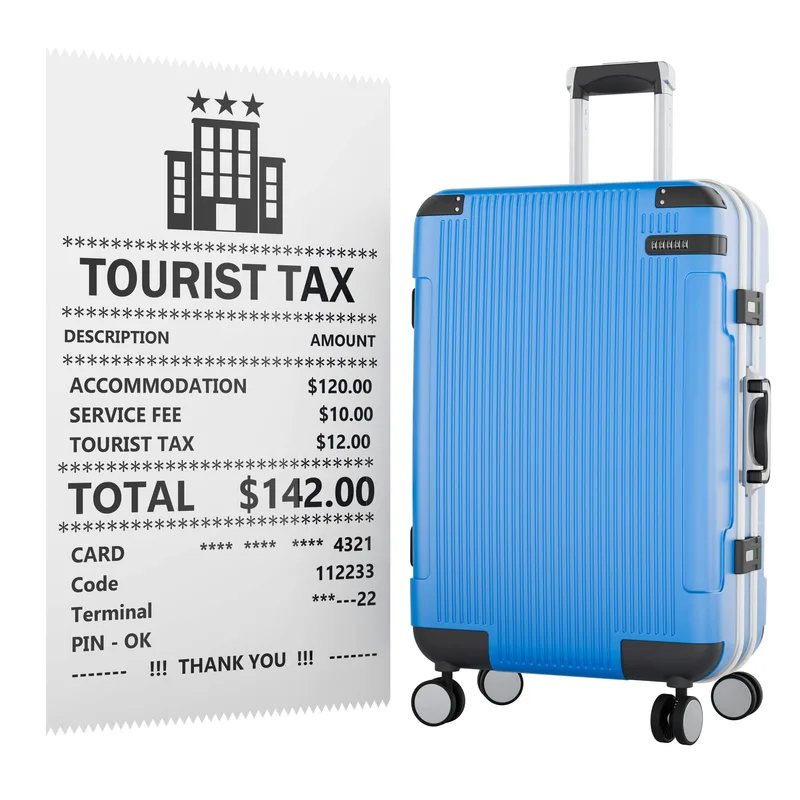
The visitor levy is the one charge on a European trip that almost nobody budgets for and almost everybody pays. Three collection models, a long list of exemptions nobody advertises, and a tax whose payers have no vote in the council that sets it.
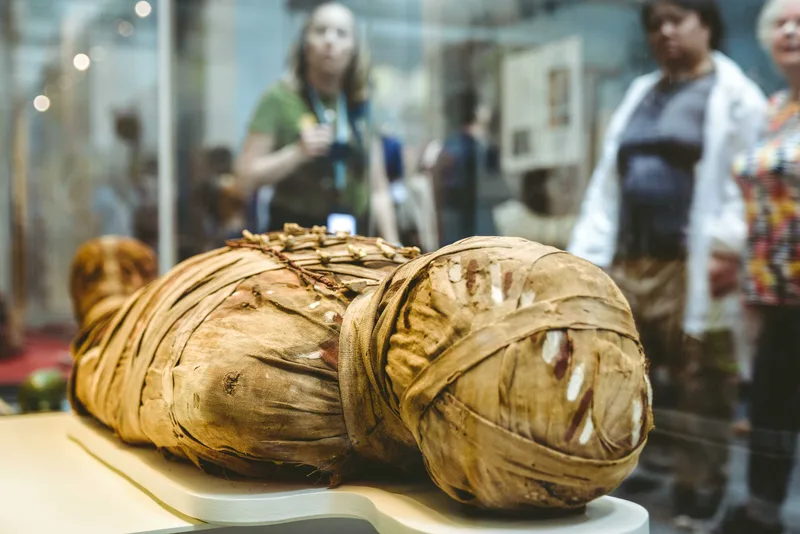
The Returns That Happened Were Decisions
Four different kinds of restitution claim that get wrongly treated as one, why the law resolves almost none of them, and what has actually changed - provenance publication, faster than any transfer.
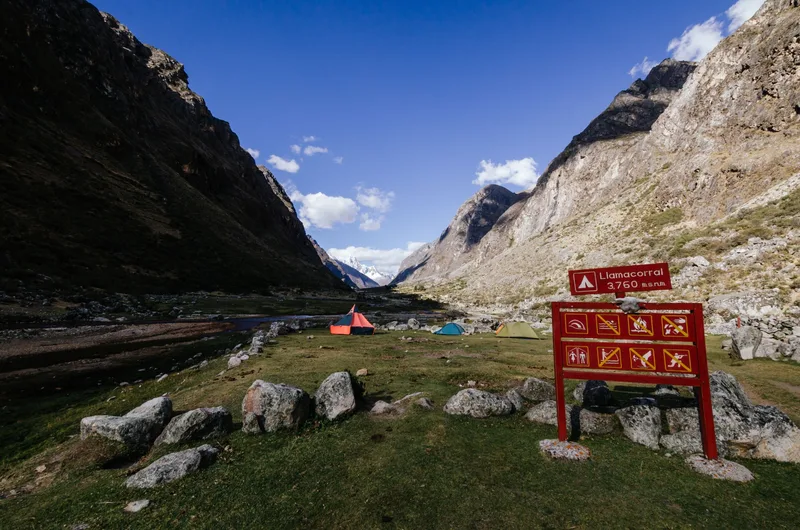
The Number Was Chosen by Someone Who Counted
Some of the best-known walks on earth cannot be walked on a decision. Three rationing systems - release-date scramble, ballot, rolling quota - that are not interchangeable, and the operator layer that changes the problem entirely.
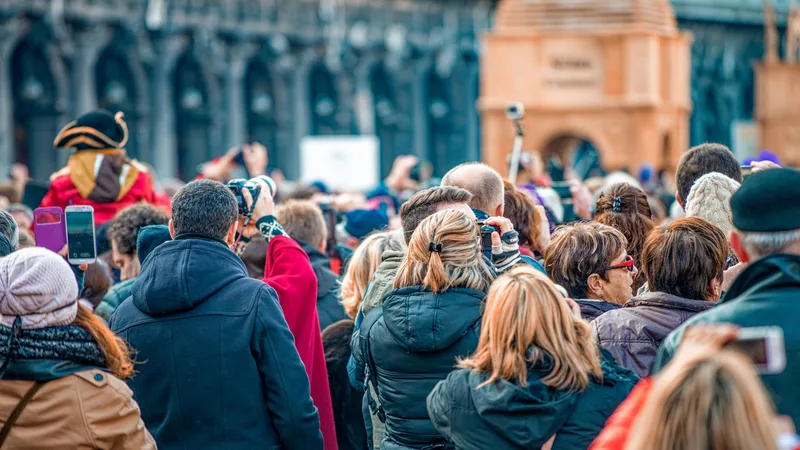
The Fee That Was Never About the Money
Venice became the first major city to charge day visitors for entering it. The amount is trivial, the revenue is small, and the residents are unconvinced. What the scheme actually produced was advance notice of who is coming - the one number the city never had.