Journal
Reports, analyses and features from all 195 countries - the journalism behind the journeys.
Small Island, Long Reach
Ska, rocksteady, reggae, dub, dancehall — and, through the sound systems Jamaicans carried to the Bronx and London, a substantial share of the DNA of hip hop and everything electronic that followed. An island of under three million invented the remix because it could not afford to hire a band.
The Island That Invented an Instrument
The steelpan is the only acoustic musical instrument invented in the twentieth century. It was invented in Trinidad, out of oil drums, by people the colonial authorities had banned from drumming and then banned from playing bamboo. What that says about carnival, calypso and the country is most of the story.
The Wooden City and the Forest Behind It
A synagogue and a mosque sharing a car park, four national cuisines and no argument about which is real. Behind the timber capital are the Maroon nations whose ancestors escaped the plantations, fought the Dutch to a standstill in the eighteenth century, and won a land-rights judgment in the twenty-first.
The Country That Struck Oil
A 226-metre waterfall with no railing and nobody watching. Eighty-five per cent forest cover and one of the lowest deforestation rates on earth. And, since 2015, several billion barrels of oil off the coast that have made this the fastest-growing economy in the world. All three are now true at once.
Two Countries, One Island
Hispaniola is the only Caribbean island split between two states, and the border is one of the sharpest economic gradients in the world. The oldest colonial city in the Americas, the massacre of 1937, a contested citizenship ruling — and a country most of whose visitors never leave the resort strip.
The Smallest Country and the Longest Wave
A world-class right-hand point break thirty minutes from an international airport, unknown for forty years because of a war. El Salvador’s recent history has been extreme in every direction — twelve years of civil war, two decades of the highest homicide rates on earth, and a state of exception that changed daily life and is still running.
The Fruit That Named a Word
The phrase banana republic was coined about Honduras by a writer hiding from an embezzlement charge. The companies built the railways the country could not afford and took concessions in return — and the rails ran to the sea, not between Honduran cities. What that did to the map is still visible.
The Language That Won
Paraguay is the only country in the Americas where an Indigenous language is spoken by the majority — including by people with no Indigenous ancestry — as ordinary daily life. How Guaraní survived the conquest, and why two catastrophic wars left it stronger than they found it.
The Reef That Was Taken Off the List
In 2009 UNESCO put the Belize Barrier Reef on the danger list. In 2018 it came off — after a country of under half a million people legislated an indefinite moratorium on its own offshore oil. What that saved the reef from, and what it did not.
The Quiet Experiment
An eight-hour day and legal divorce before most of Europe. The first country in the world to regulate cannabis end to end. A grid that runs above ninety-five per cent renewable in most years. Uruguay keeps proving things are possible and nobody notices, which is roughly how it prefers things.
The Canal That Never Came
Nature had already built most of a transoceanic canal across Nicaragua, and for two centuries the country was told it was about to be transformed by one. A volcano on a postage stamp sent the Americans to Panama; the 2013 Chinese concession broke ground and then evaporated. Nothing was ever built.
The Cut That Runs on Rain
A French failure, an engineered independence, and a handover Washington predicted would be a disaster and which turned out to be the reason the canal still works. Now the waterway faces the one problem no engineer designed for: every ship that transits drinks the same fresh water the country does.
Two Currencies, One Island
For nearly thirty years Cuba ran two currencies and two parallel economies, which put surgeons behind the wheel of taxis. The unification of 2021 removed the duality and arrived alongside shortages, blackouts and the largest emigration in modern Cuban history. A portrait that holds both sets of facts at once.
The Loom and the Long War
A Guatemalan huipil identifies the town its wearer comes from, in motifs that predate the Spanish. During a thirty-six-year war in which the state was found responsible for acts of genocide, that made the cloth dangerous — and later made it the means by which the dead in clandestine graves were identified.
The Mountain That Ate Men
In 1545 someone found silver in a hill at 4,090 metres, and the coin struck from it became the first global currency — circulating from Seville to Ming China. The bill was paid by the men sent underground under the mita, and the mountain is still being worked today by cooperatives with hand drills.
The Islands That Rewrote Biology
A hotspot archipelago where the islands get older from west to east, three ocean currents collide, and nothing on land ever learned to fear a human. What Darwin actually noticed, what two centuries of whalers and goats destroyed, and what thirty years of eradication programmes have rebuilt.
The Country That Bought Its Forest Back
Costa Rica cut down most of its forest for cattle, then spent thirty years paying landowners to put it back — and roughly doubled its forest cover from the low point. The most-cited conservation success on earth, including the parts that get edited out: secondary growth, pesticide intensity and a transport sector nobody has solved.
The City That Keeps Time
Salvador is the oldest colonial capital of Brazil and the largest Black city outside Africa. Its religion survived three centuries behind Catholic saints, its martial art was banned by penal code, and its carnival is two million people in the street. A portrait of the city that keeps the country’s time.
Slow Fire
Mezcal went from regional spirit with a bad reputation to one of the fastest-growing categories in global drinks. The agave it is made from takes eight years to mature, and twenty-five for the wild varieties — which is the entire problem, written in a plant that flowers once and dies.
The Sky as a Resource
Above the Atacama is the clearest sky on the planet and a large share of the world’s ground-based telescopes. Beneath it is roughly a quarter of the accessible lithium. Chile now regulates darkness as a national asset — while the pumps below the salar draw down water the Atacameño communities have farmed for centuries.
Priced in Blue
The peso has more than one price, and every porteño can quote all of them. A portrait of a capital that has turned permanent monetary instability into an urban culture — of late bookshops, protected cafés, apartment towers held as savings, and a middle class that keeps its money in a domestic safe.
The Men Who Carry the Mountain
Peru wrote one of the only trekking labour laws on earth that is genuinely enforced: twenty kilos, a minimum wage, tents and insurance for the porters of the Inca Trail. Two decades on, the trail is in better condition than it was — and the crowds have moved to the mountains the law does not reach.
Whale Season on the Quiet Coast
No roads reach Nuquí. Ten metres of rain fall every year. And each July, thousands of humpbacks arrive from Antarctica to calve in the warm Pacific bays — watched from wooden boats by one of the least-visited coastlines in the Americas.
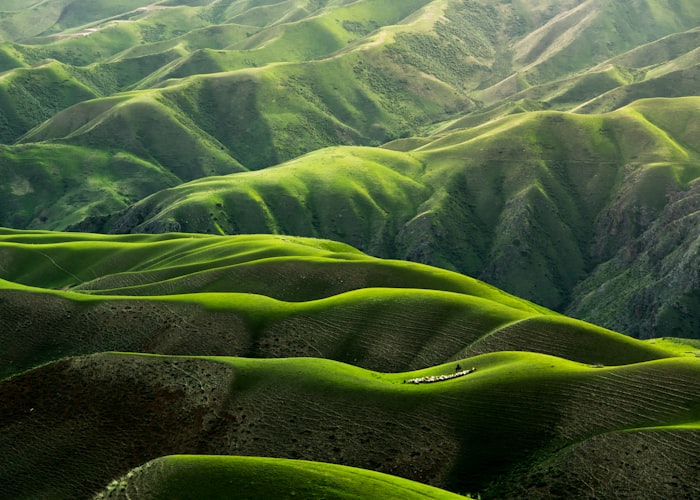
Harvest Season in the Cordillera
Six weeks on the fincas of Quindío during the main cosecha: the mathematics of a kilo of cherries, the jeeps that hold an economy together, and what climate change looks like from a slope at 1,800 metres.
Bogotá Learns to Breathe
Every Sunday, the capital closes 120 kilometres of road to cars and hands them to cyclists, skaters and grandmothers walking arm in arm. At 2,640 metres, the city that outsiders still misread has quietly become a masterclass in urban reinvention.
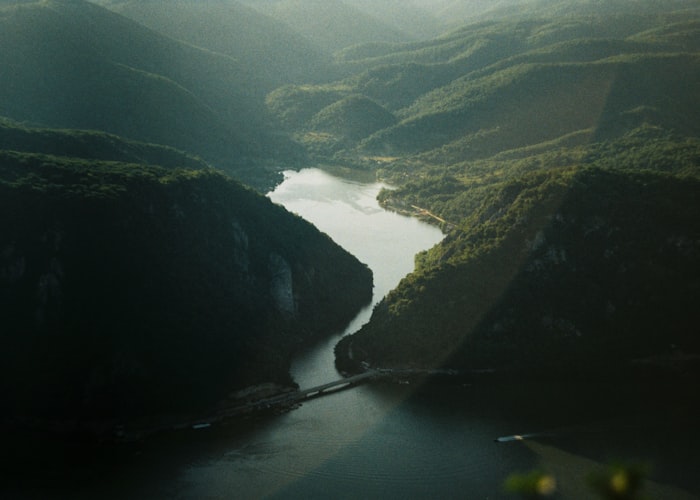
The River That Runs in Colours
For decades, Caño Cristales sat inside a war. Now the guides who once grew coca walk visitors along a river that turns red, yellow and green — and the town of La Macarena is betting its future on keeping it that way.
The Long Way Round
A photo essay about the space between places — deck class, the night bus, the platform, the wait — assembled from crossings on four continents, arguing that the transit is frequently the trip.
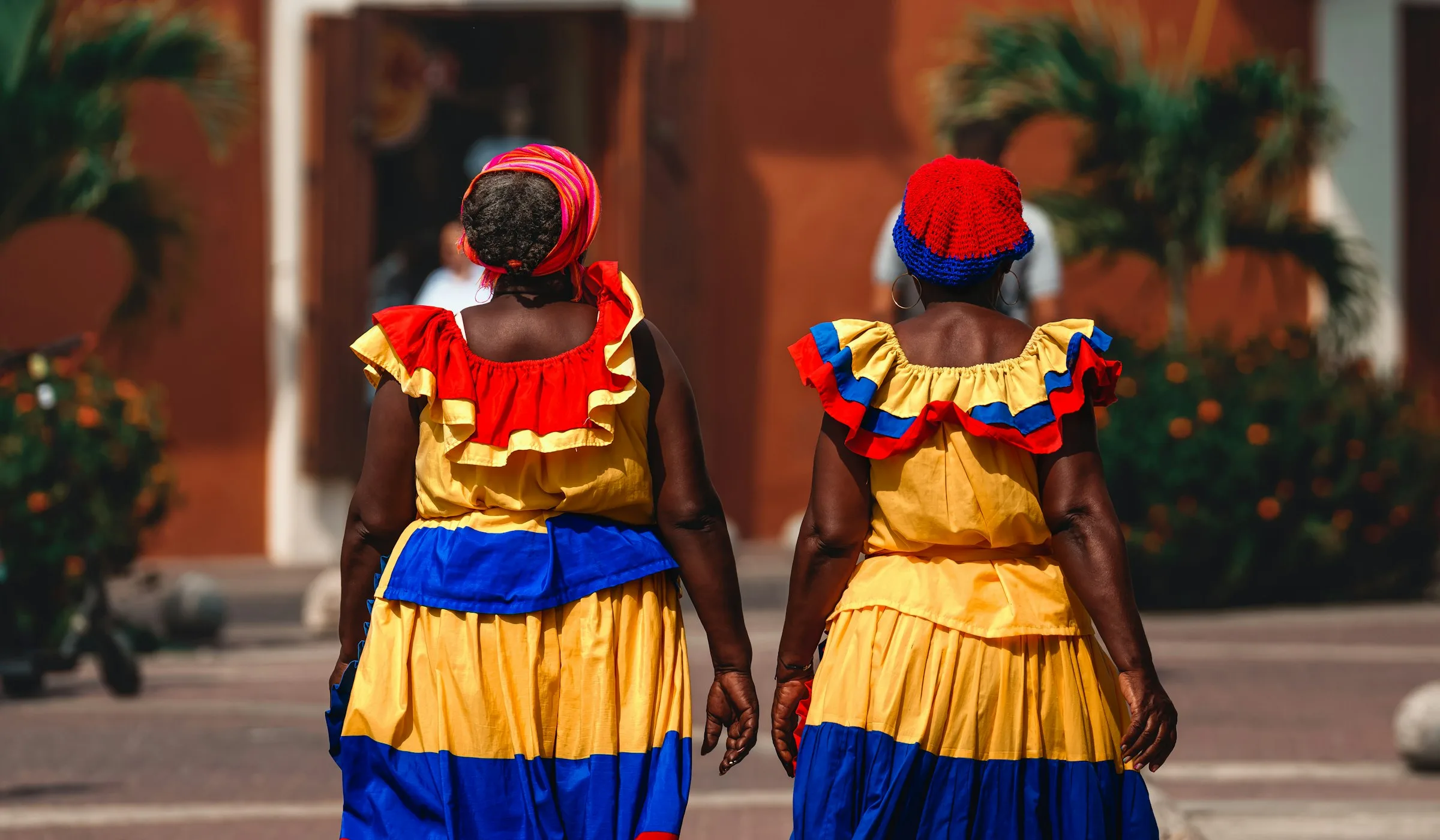
Cartagena's Hidden Neighborhoods, Street by Street
Past the walled city, the barrios stretch toward the sea. The real Cartagena eats at plastic tables and dances until 4am on Tuesday.
The Lofoten Letters: Winter Above the Arctic Circle
At 68° north the sun does not clear the mountains for a month, and the four hours of colour that replace it are why photographers come. Winter in an archipelago that should be frozen and is not.
Tbilisi After Midnight: The City That Never Settled
A club in a drained swimming pool under a football stadium, sulphur baths in use since the city was founded, and a nightlife that in 2018 became the place a national argument was held.
Salt, Altitude, and the Sacred Lake
Ten thousand square kilometres of salt flat at 3,660 metres, a fifth of the world's identified lithium underneath it, and a lake at 3,812 metres that Andean cosmology says the world began in.
Atlas Light: A Photographer's Journey from Marrakech to the Drâa Valley
The light changes twice on the road south from Marrakech, and both times faster than expected. A photographer's account of the High Atlas passes, the earthen kasbahs and the longest palm grove in Morocco.
Finding Silence in the Noto Peninsula After the Quake
A magnitude 7.6 earthquake hit the Noto Peninsula on New Year's Day 2024, lifting the coastline by four metres and burning a market that had run for a thousand years. Whether to visit now has a specific answer.
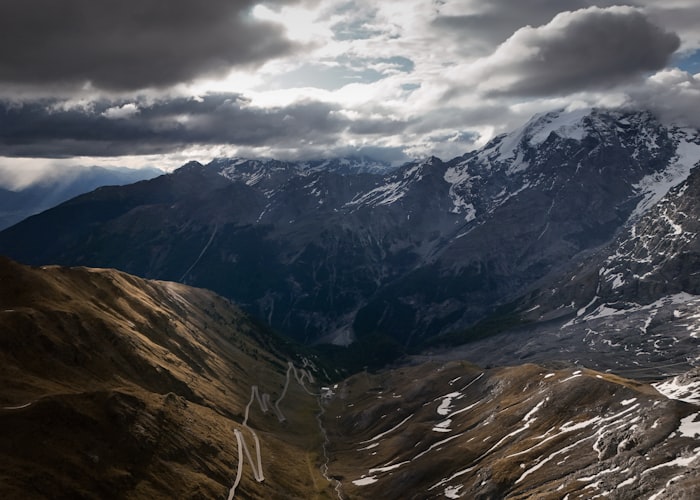
Crossing the Wakhan: A Winter Traverse
The Wakhan Corridor in winter is one of the world's most demanding journeys. High altitude, extreme cold, almost no infrastructure.
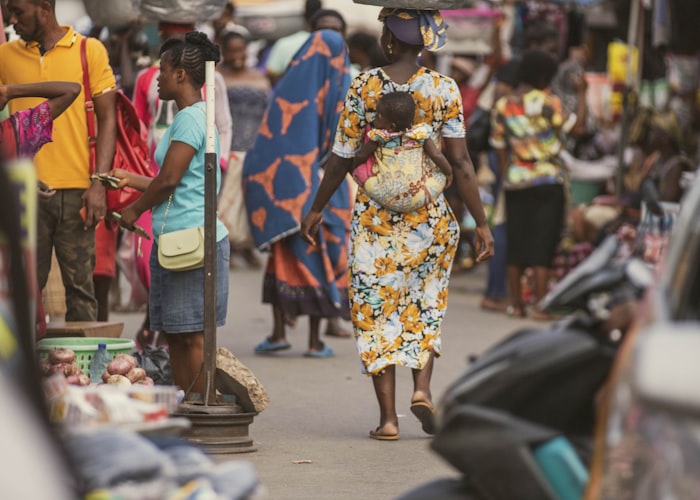
On the Road Through the Sahel
Crossing the semi-arid belt between the Sahara and savanna — a slow overland journey through Mali, Burkina Faso, and northern Ghana.
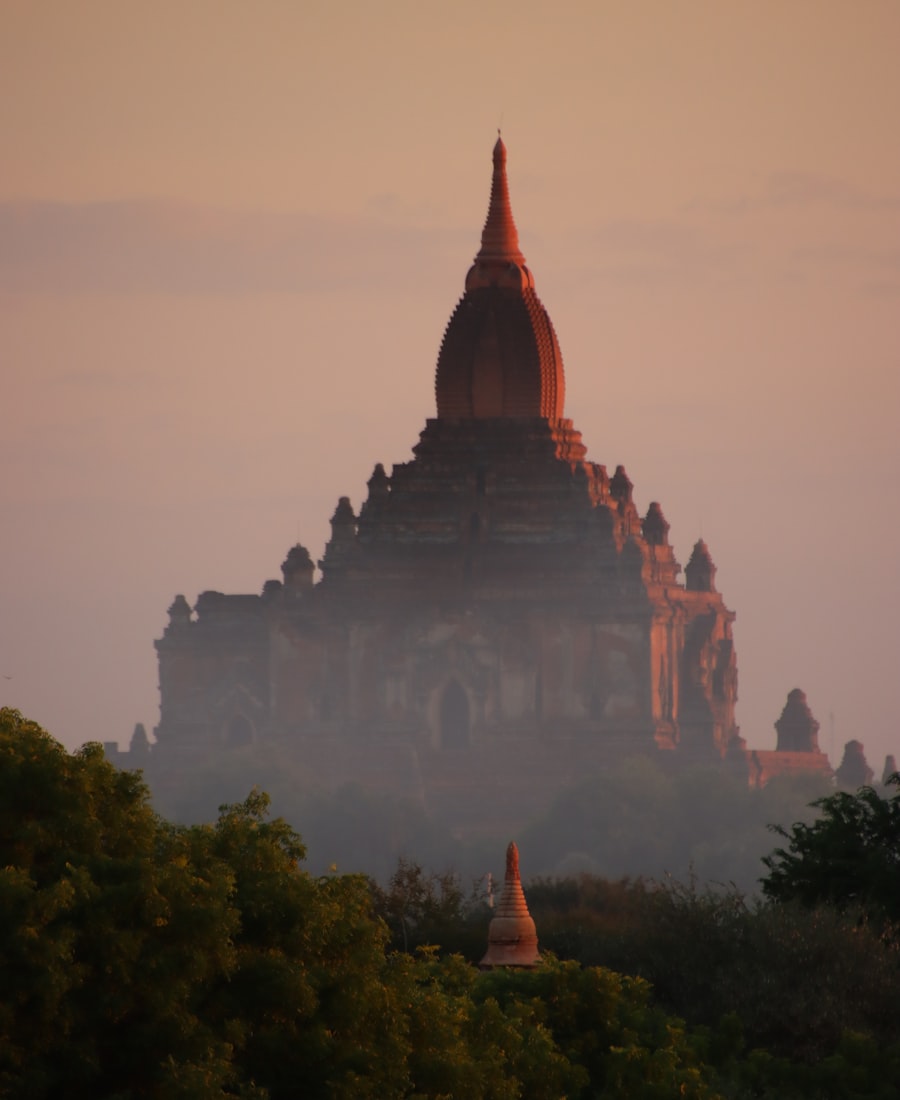
The Last Quiet Temples of Northern Cambodia
Beyond Angkor Wat, in the provinces where few tourists venture, centuries-old shrines sit half-buried in jungle. We spent three weeks cataloguing what remains.
Competing on Price With a Container
Twenty metres separate the workshop from the stall, and the workshop is losing. What the surviving crafts have in common, and the export restrictions that put the penalty on the buyer at the border rather than the seller at the stall.
The Queue Got Shorter Because the Checking Moved
Advance passenger data, booking records, biometrics and an authorisation form asking questions no officer would ask aloud. The case for border databases is not weak — and function creep, not collection, is the objection that actually holds.
The Smallest Part of the Problem
A hotel guest uses far more water than a resident, and almost none of it in the shower. Where it actually goes, why the tourist peak lands in the dry season by construction, and the aquifer damage that cannot be undone.
Count the Lit Windows
A historic centre on a Tuesday evening in February, and the arithmetic that emptied it. Nobody decided to hollow out the old town; several thousand owners each decided, correctly, that visitors pay more than neighbours.
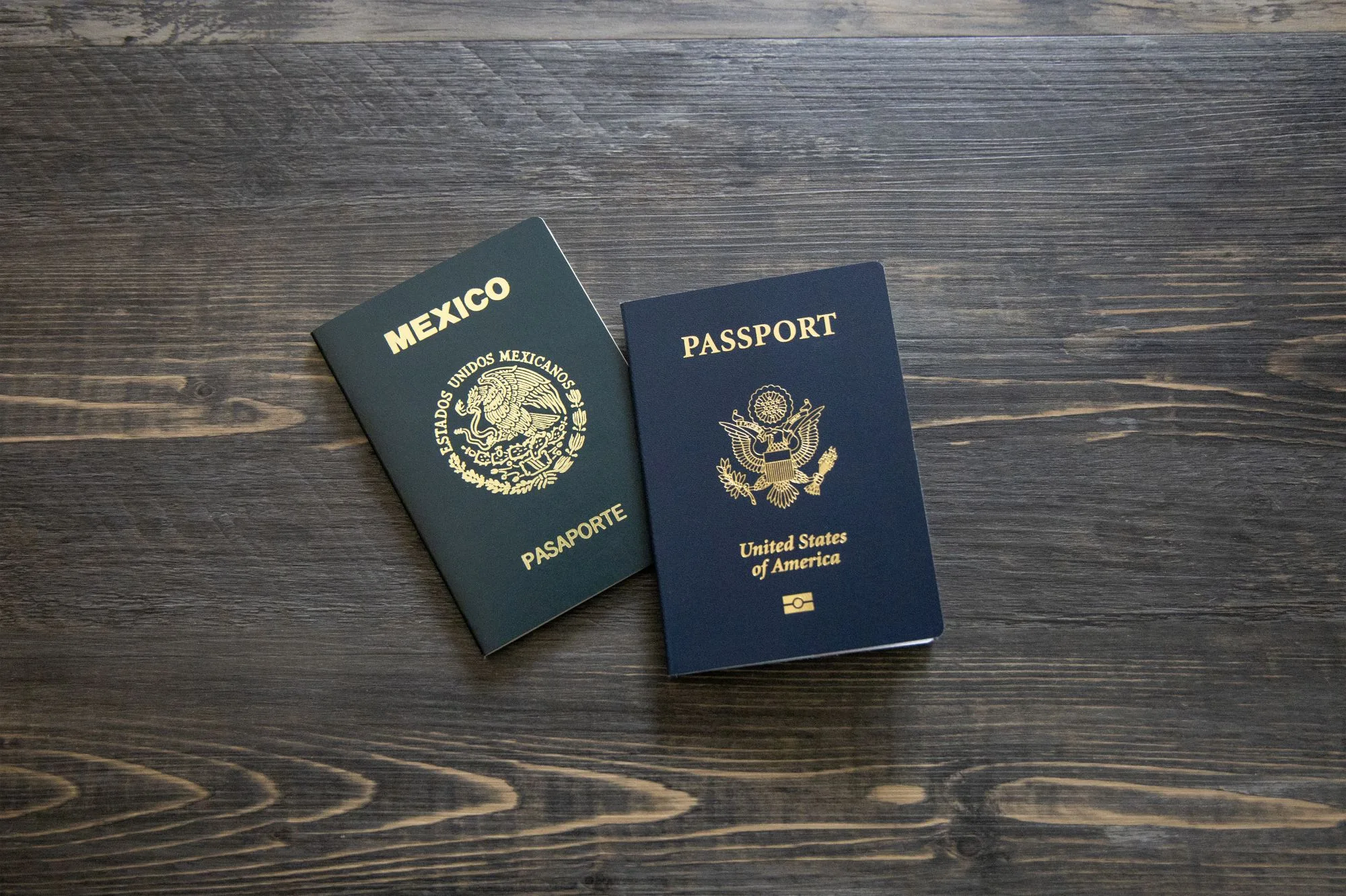
Which Passport to Show
Two passports is not a free choice at every desk. Enter and leave a country on its own document; use whichever you like for third countries; and check very carefully before travelling to a country that does not recognise dual nationality at all.
There Is No Such Thing as the Price
In an economy with a parallel exchange rate, the same bed has three prices depending on how you paid. Argentina ran the best-known version; the arithmetic is identical in half a dozen other countries, and it decides what a week costs.
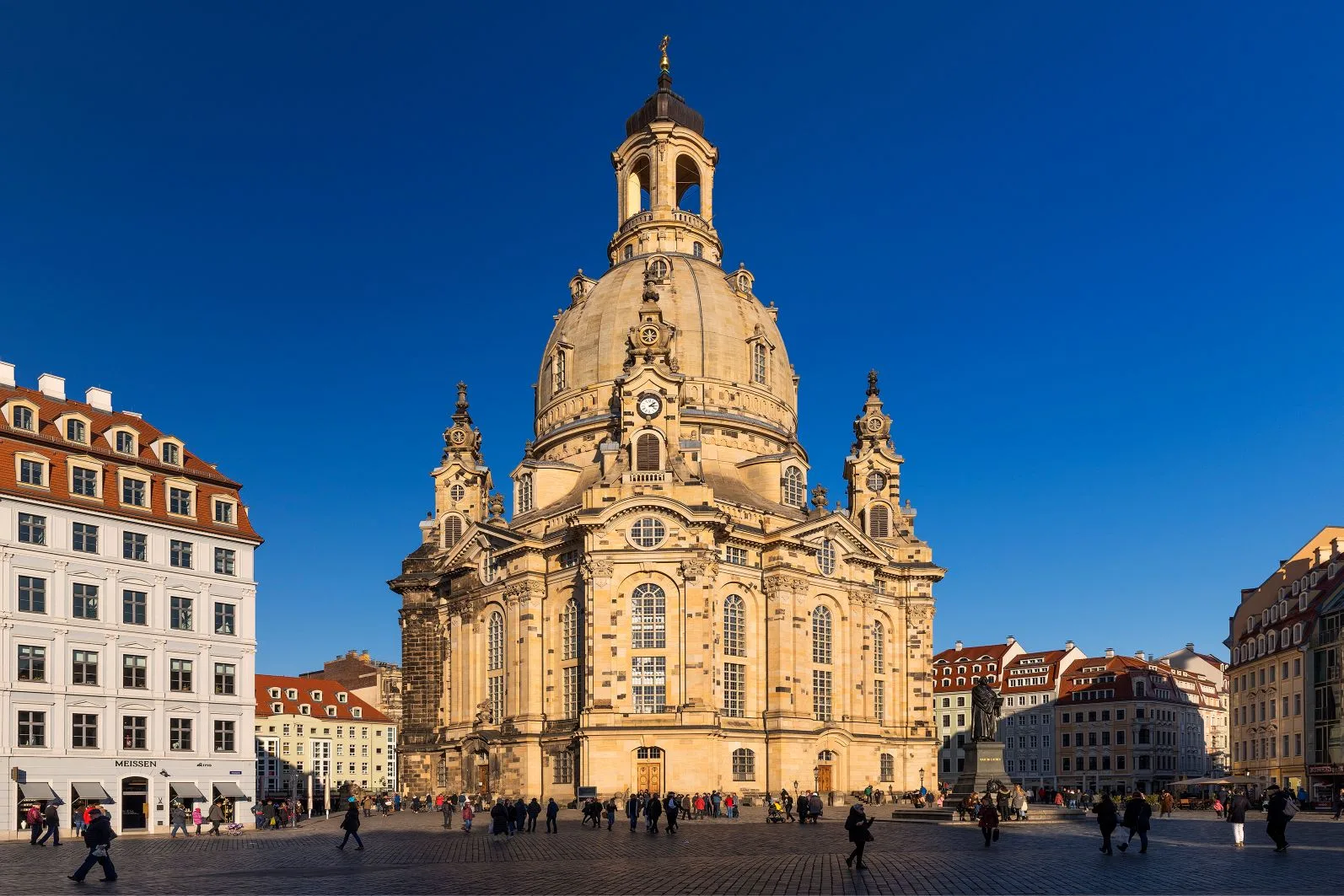
Younger Than the People Walking Through Them
Warsaw, Dresden and Frankfurt each rebuilt what the war removed, and each did it for a different reason with the same technique. The conservation objection, the residents’ reply, and why the newest old town is interesting about something else.
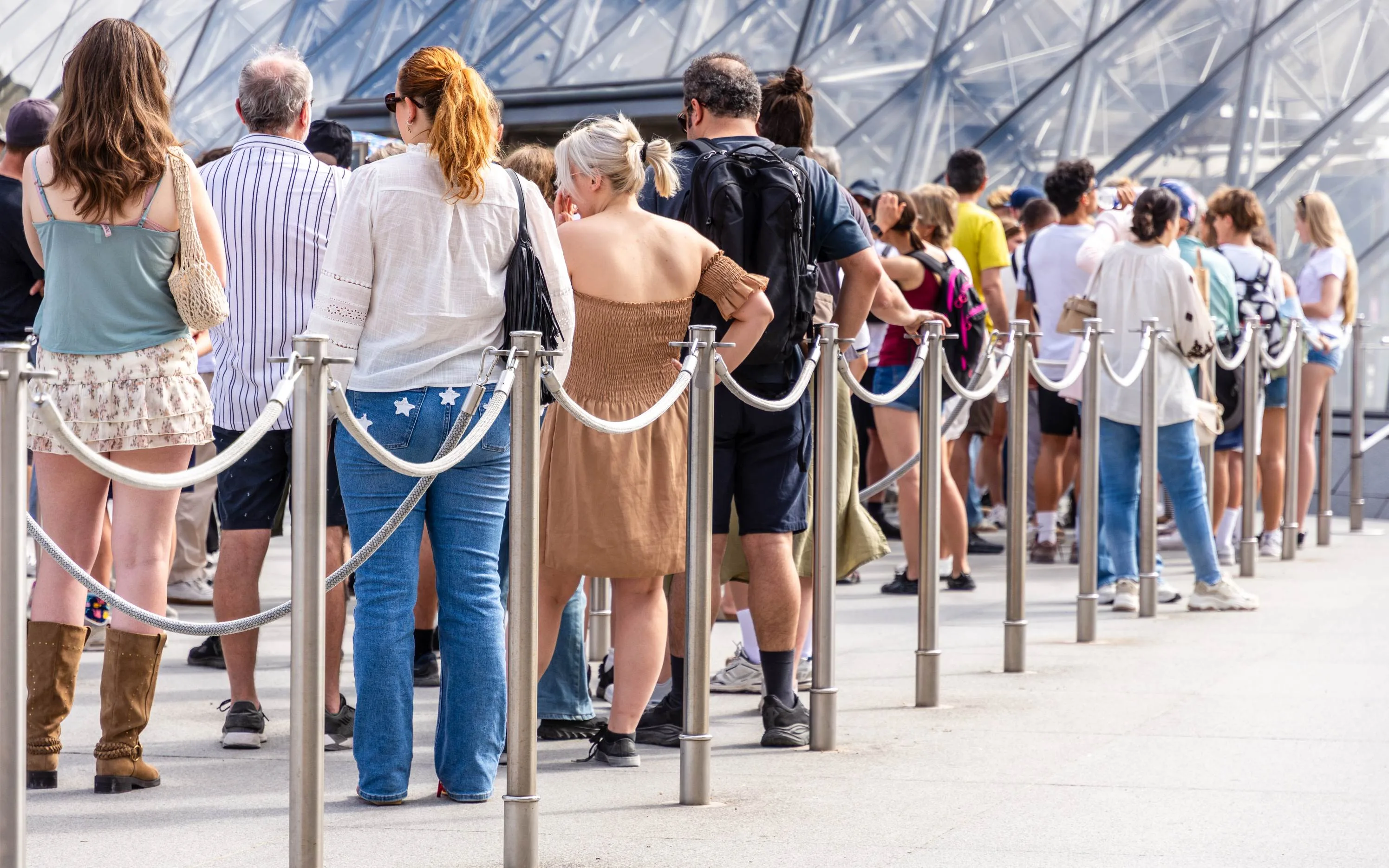
The Way In Without Paying
Nearly every major public museum has a mechanism for getting in free, and almost none advertise it. The four models, why they follow the funding rather than the wealth, and the arithmetic that decides whether a city pass is worth buying.
The Desk That Used to Decide
Visa on arrival put the decision at the border, with an officer looking at a person. The e-visa moves it weeks earlier and hands enforcement to an airline check-in desk. Governments gained screening time; travellers lost the ability to change their minds.
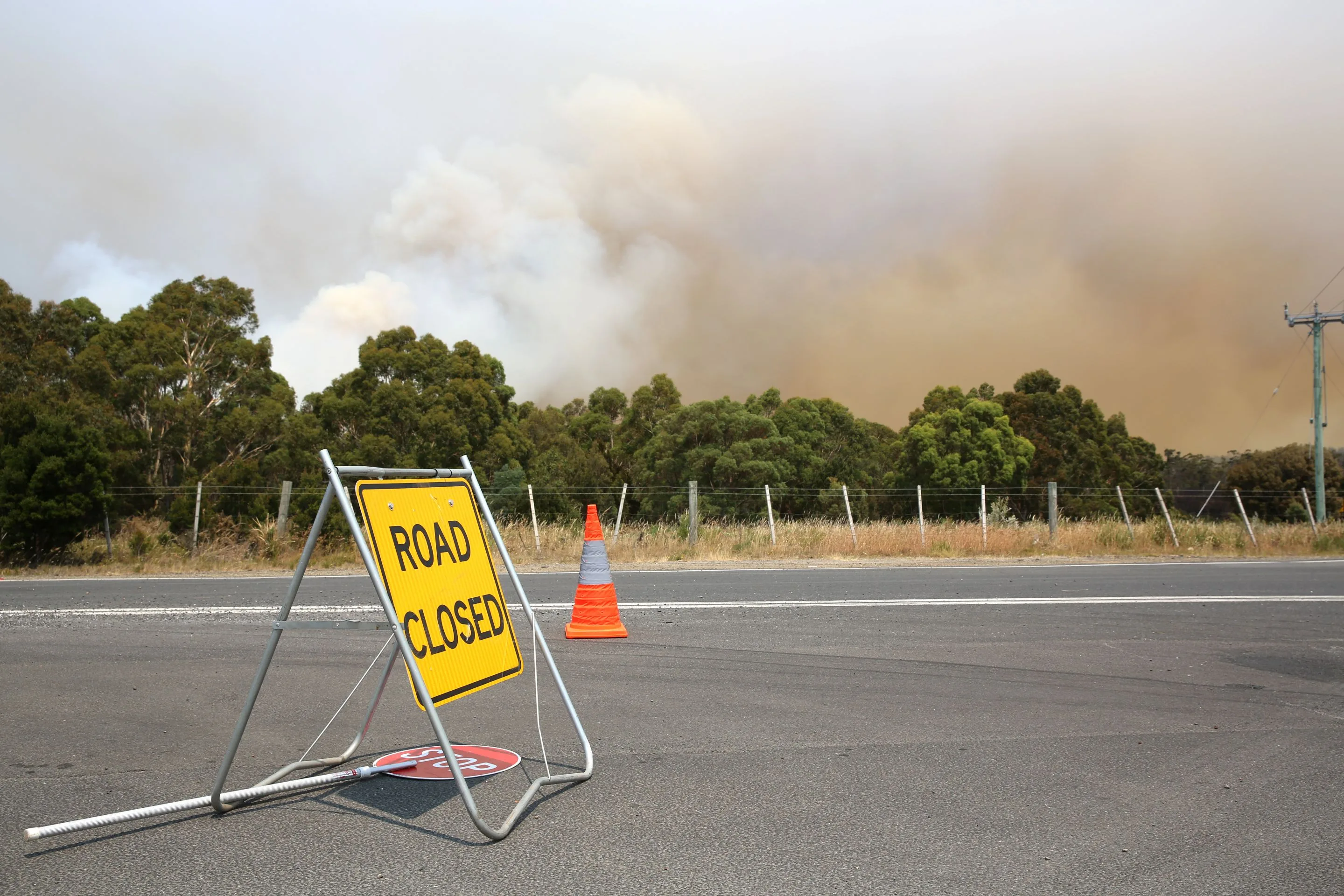
The Fire Is a Hundred Kilometres Away
What ends a trip is rarely flame. It is smoke across three hundred kilometres, a closed valley, a suspended ferry and an insurance position that does not cover any of it — plus the fire restrictions a visitor is most likely to break.
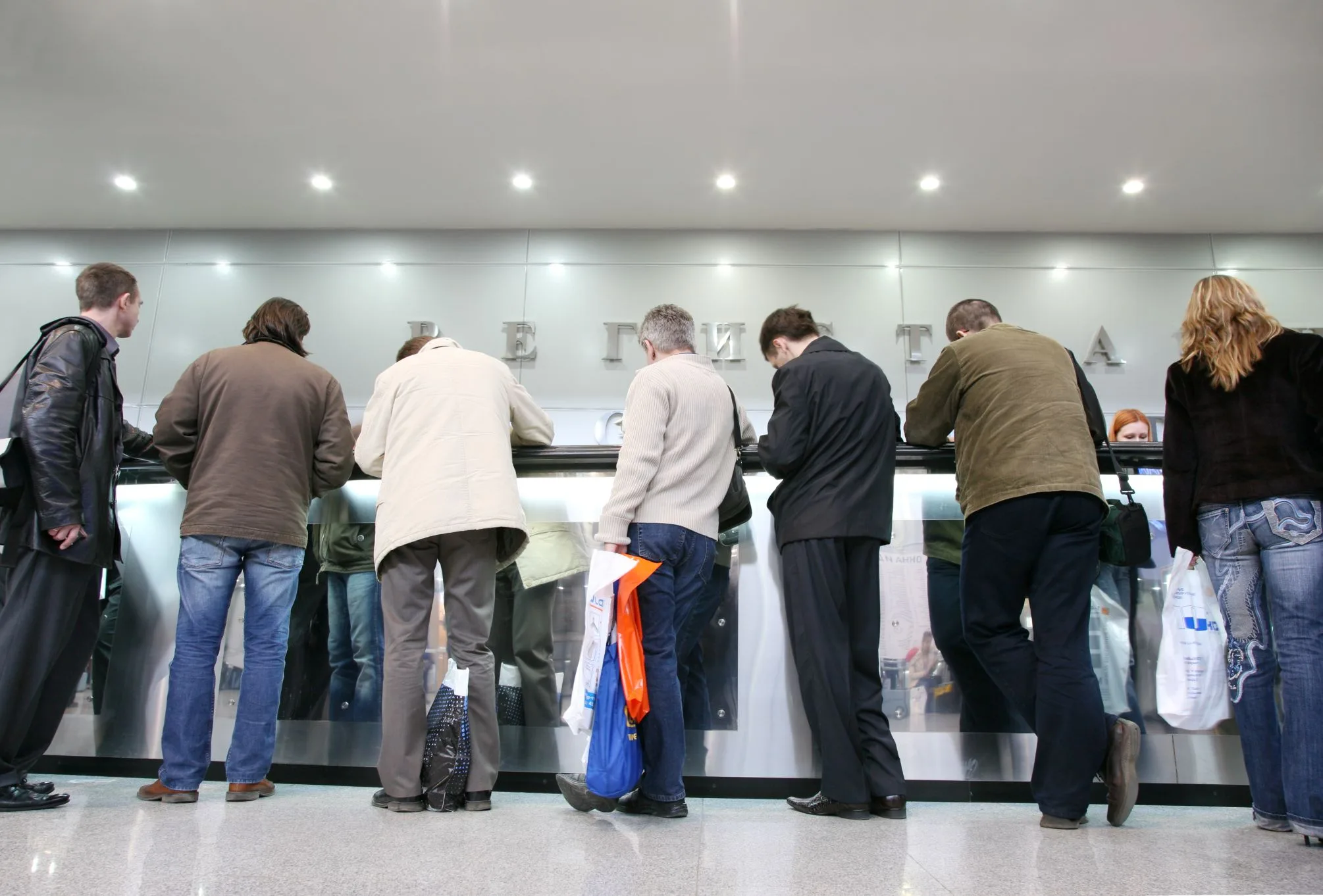
Thirty Units and a Closed Window
Most of the world folded departure tax into the ticket. In the places that did not, a small cash payment at a specific window in a specific currency stands between a passenger and their flight — and the desk closes before the gate does.
One of Them Has Been to Court
Heritage inscription and geographical indication get discussed as one thing and are not. One is recognition; the other is a property right with a specification, an inspection and a lawyer — and it freezes the recipe at the moment it was written.