Journal
Reports, analyses and features from all 195 countries - the journalism behind the journeys.
A City Built for the People Who Live in It
Proximity planning is a policy about residents that has quietly become the best thing to happen to walking around a strange city — and the reason a hire car will collect a fine four weeks after you returned it.
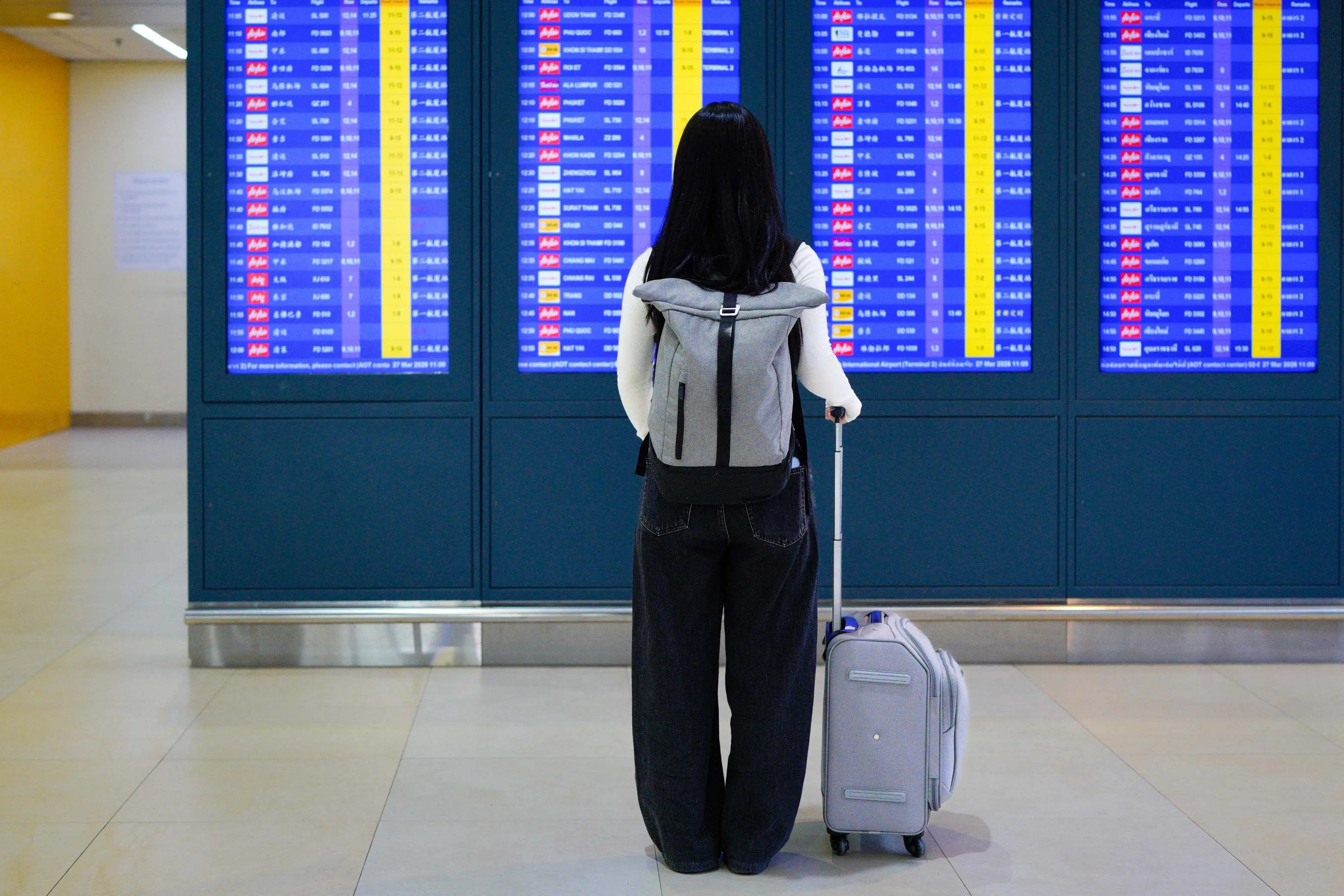
The Country You Never Entered
Changing planes is usually nothing. The exceptions — airport transit visas, baggage that is not checked through, a terminal change that puts you landside — are why passengers get refused boarding for a country they were never going to set foot in.
A Shade and a Switch
Most people in Europe and North America cannot see the Milky Way from home. Light pollution is one of the few major environmental problems that stop the moment you stop causing them — which is why the dark-sky network works and why LED made it worse first.
The List That Is Longer Than the Brochure
Travel insurance is sold on evacuation and bought on lost luggage, and the gap is where declined claims live. Pre-existing conditions, alcohol, motorcycles and an altitude threshold that quietly excludes many of the world’s famous treks.

The Sign Stood for Decades
The list of things a visitor may do at significant sites is getting shorter, and crowd management is not the reason. The recurring shape of these closures, and why "but it was allowed before" is not the argument it sounds like.

One Bed Per Night
Europe spent twenty years closing its night trains and a decade reopening some of them. Both decisions were rational on the numbers of their time, which is why the network that came back is the shape it is.
Permission to Be Present
Dozens of countries now issue a permit for people working remotely for employers elsewhere. The marketing is identical and the legal instruments are not. Five questions that reduce a list of sixty schemes to the handful that fit a given person.
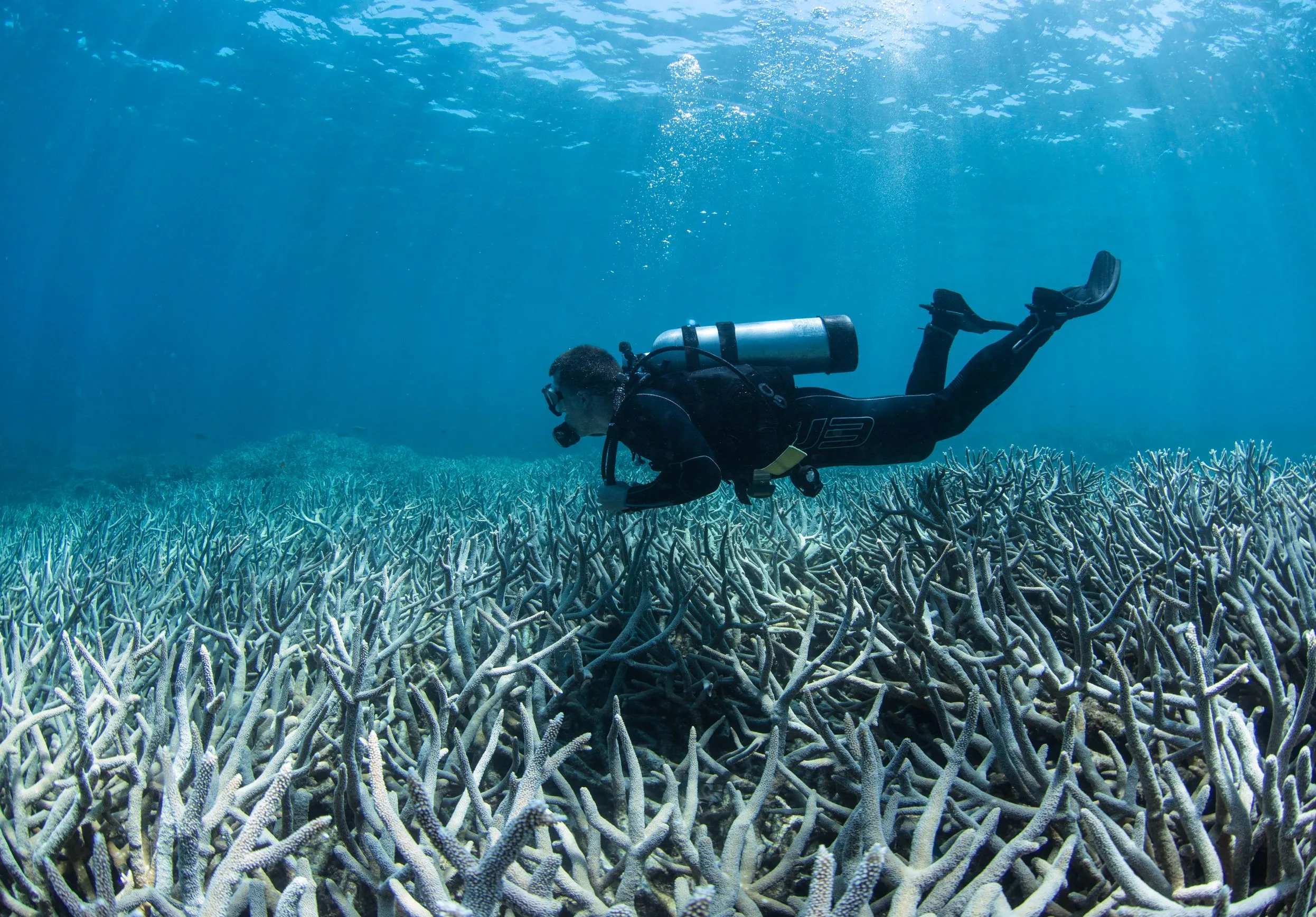
Starving, Not Dead
A bleached reef is a starving animal, not a dead one, and whether it recovers is decided by the next hot season. What that means for where diving is still worth the airfare — current, depth and enforcement, in that order.
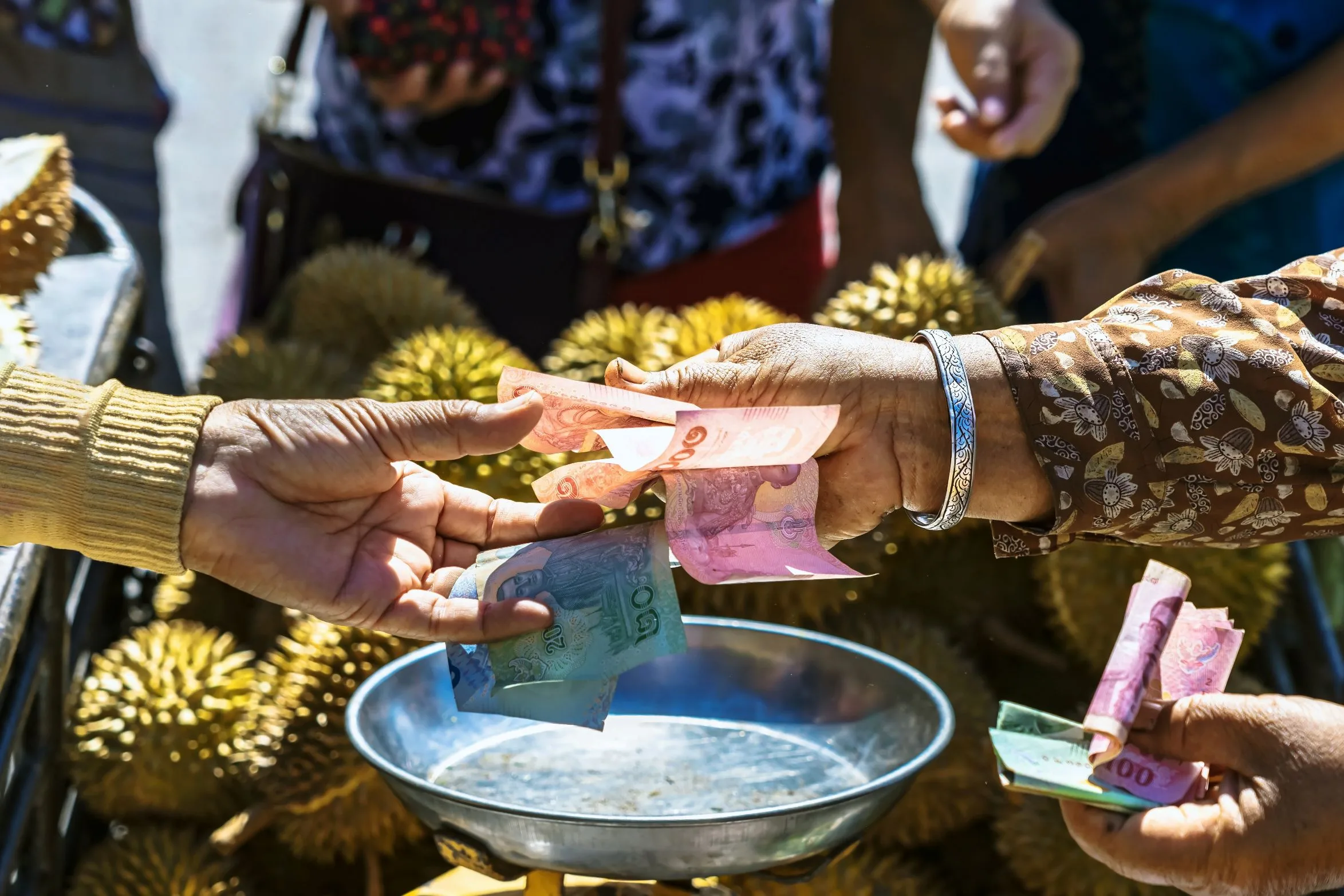
The Counters That Still Want Notes
The map of where cards fail does not follow income and does not follow the obvious geography. Border posts, park gates and ferry tickets are cash transactions in a great many countries whose restaurants take contactless without blinking.
Several Hundred Thousand People Optimised for the Same Thing
The same café has opened in every city on earth and nobody franchised it. A feedback loop with one fixed point — plus the case against the traveller’s complaint, and the thing that is genuinely being lost two streets away.
The Plaque and the Tenancy
A World Heritage inscription protects the fabric of a town and advertises its address. The management plan is written about stone by people with no housing budget, which is why so many listed places keep their façades exactly and lose their inhabitants gradually.
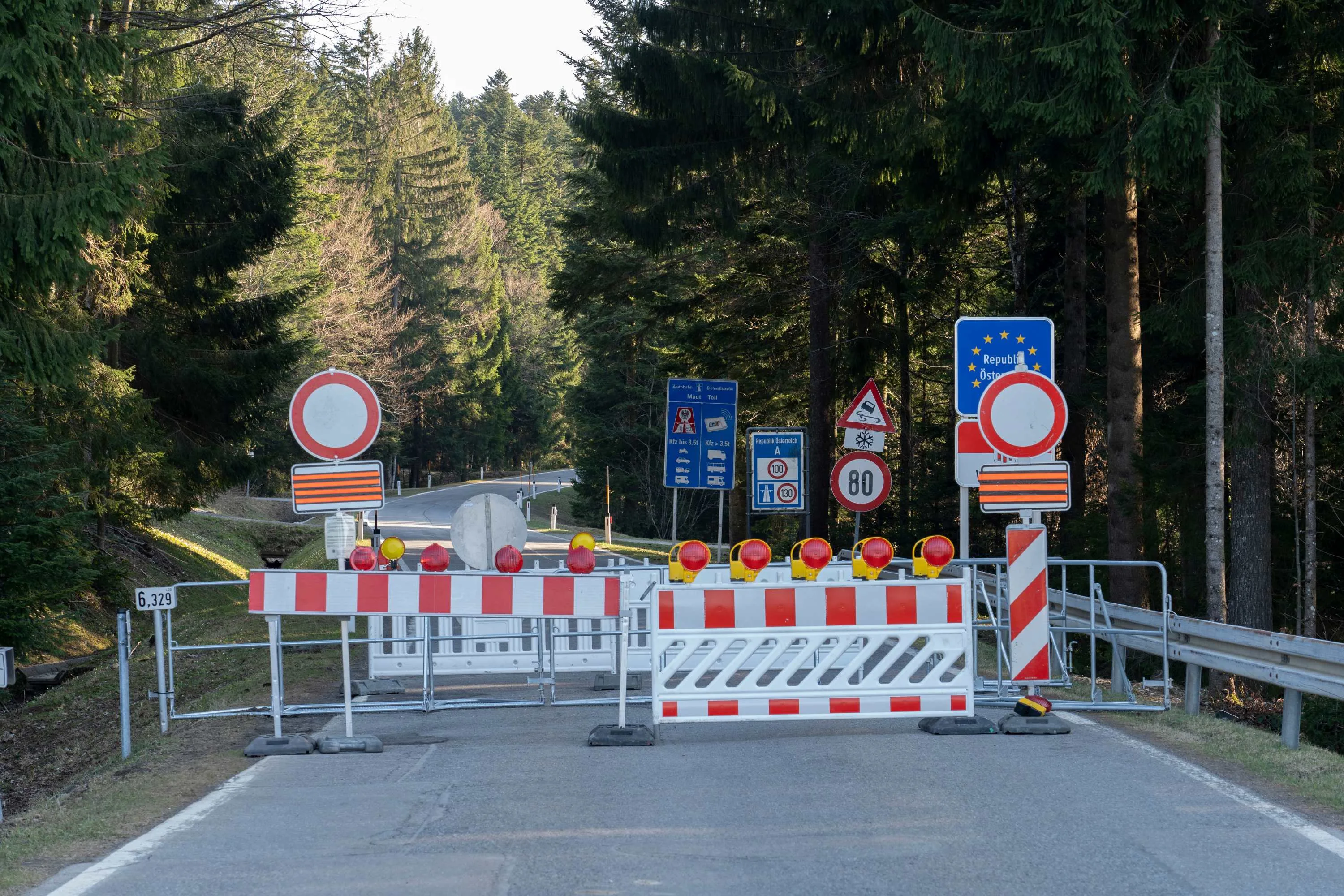
The Road Is Not the Crossing
Air routes fail visibly. Land borders fail quietly — closed for years while the map still shows the road, or open to the two neighbouring nationalities and to nobody else. The four kinds of closure, and how to check before you commit.
Ask What Happens When It Grows Up
Sanctuary, rescue and refuge are unregulated words in almost every jurisdiction. A test that does not rely on the name — plus the harder cases, where a simple boycott has made welfare worse rather than better.
What Made Data Cheap
Roaming was ruinous and local SIMs were an hour of your first afternoon. Both problems dissolved in about five years, and the reason was not generosity — it was that a piece of plastic stopped being necessary to sell the product.
Every Rule Is a Record of Something
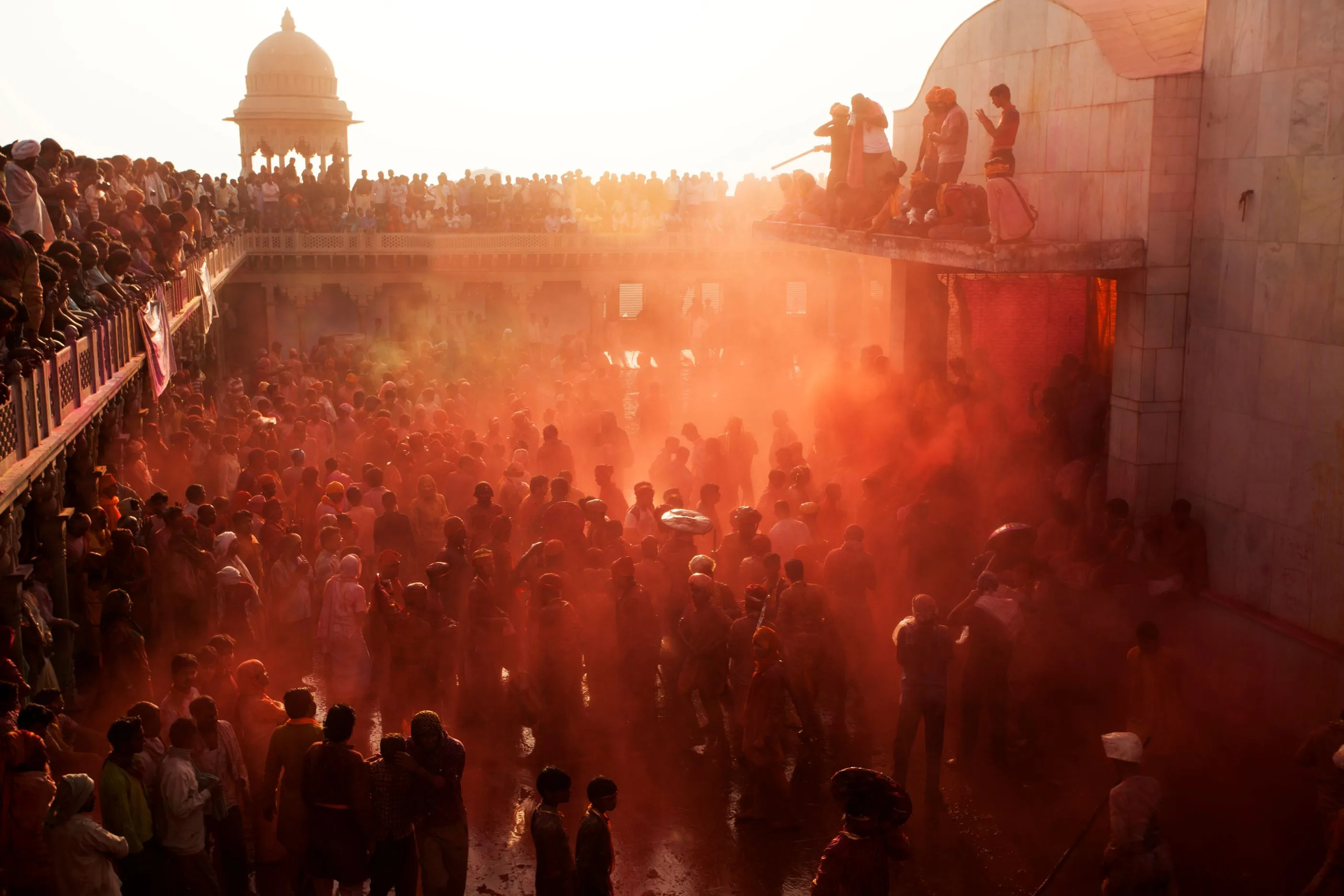
Ticketing, separation, enforced behaviour rules, closure. The four ways a community responds when enough outsiders want to watch what it does for itself — and how to tell a procession from a parade before you raise a camera.
The Lever a Planning Committee Already Has
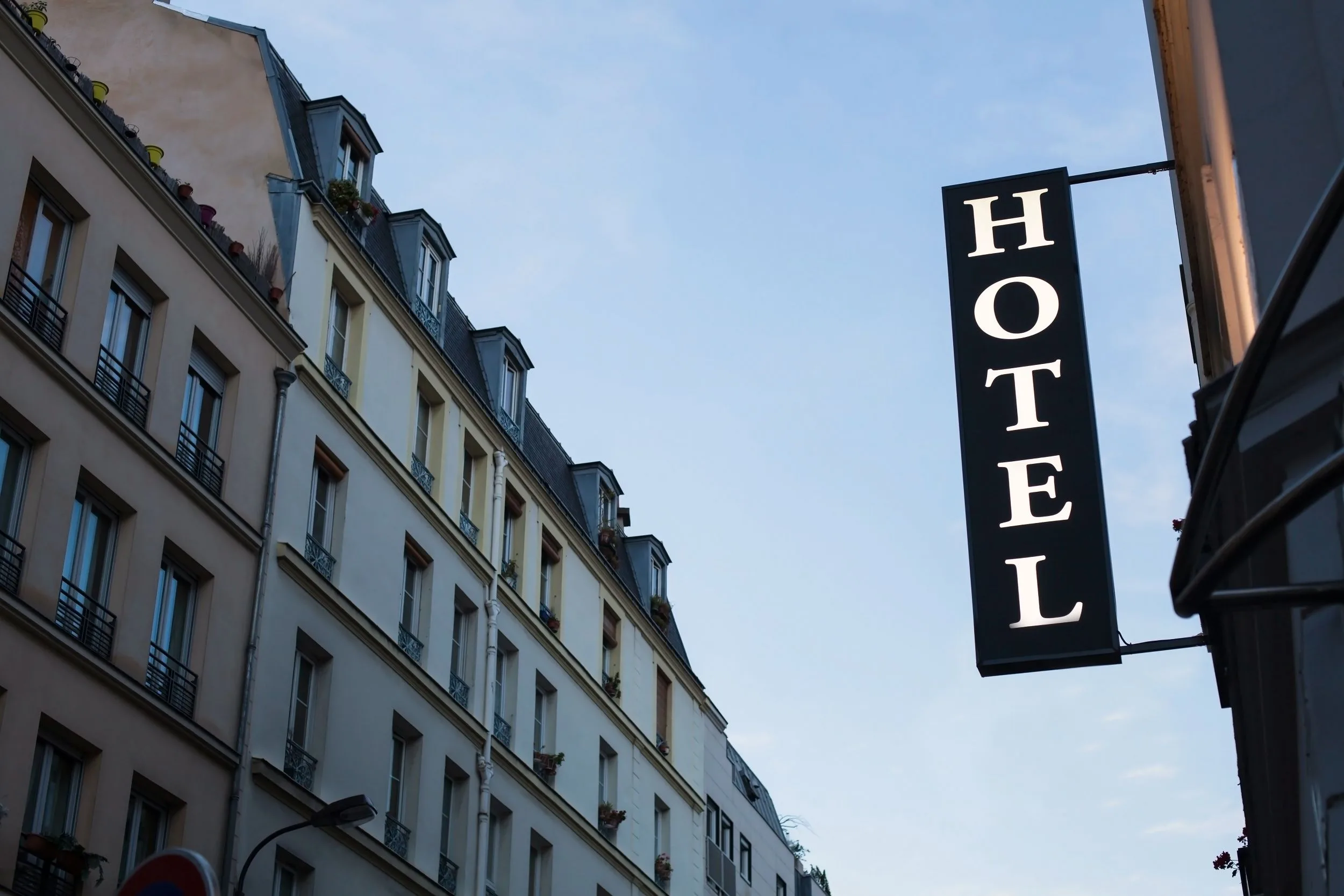
A city cannot cap arrivals without a border. It can cap beds with a planning committee — and a growing number have. What a bed cap reaches, what it misses entirely, and where the value moves when it lands.
The Ranking Counts Doors
The annual passport league tables measure something real and much narrower than what they are taken to describe. They cannot see length of stay, cost, refusal risk or the authorisation layer that is quietly emptying the visa-free category.
The Low Price Is the Citizens’ Rate
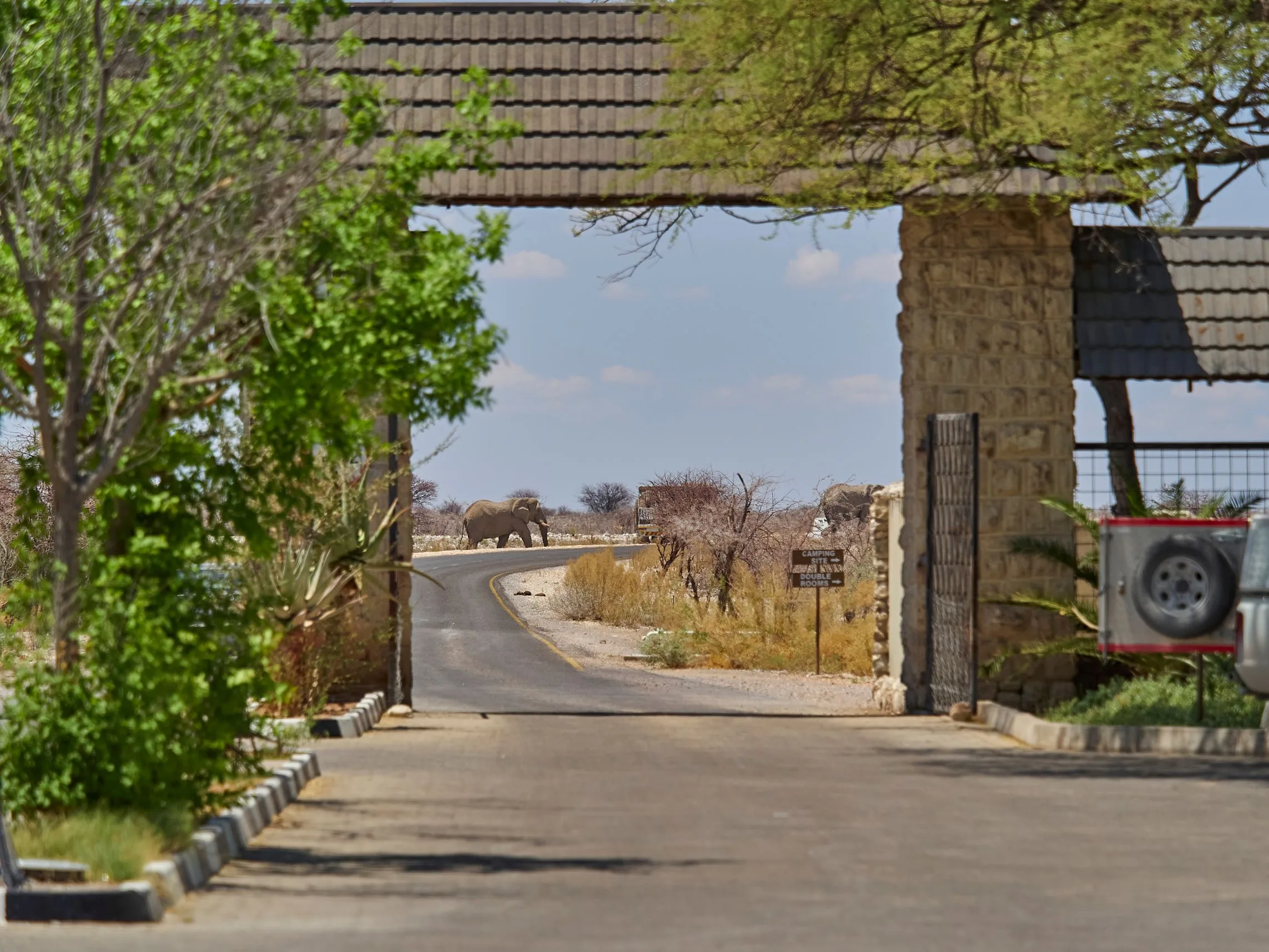
A foreign visitor pays several times what a citizen pays at most park gates in the world, and the complaint this generates is misplaced. Where the revenue goes, why community revenue-sharing matters more than ranger budgets, and what to check.

Everything Between the Quote and the Bill
Resort fees, city levies, regional levies, cleaning charges, pre-authorisation holds and the counter upsell on car insurance. A full accounting of the charges between the price you booked and the money that leaves your account.
The Village Learns at the Premiere
A production spends three weeks in a valley and leaves. What arrives afterwards is set by a release schedule rather than a season, lands on a single hillside, and is captured by the village or by nobody depending on one variable.
What Reaches the Quayside
A single ship can put several thousand people ashore in a morning and remove them six hours later. The arguments are usually anecdotal; the arithmetic is not, and it explains why berthing caps have spread faster than bans.
The Window Moves With You
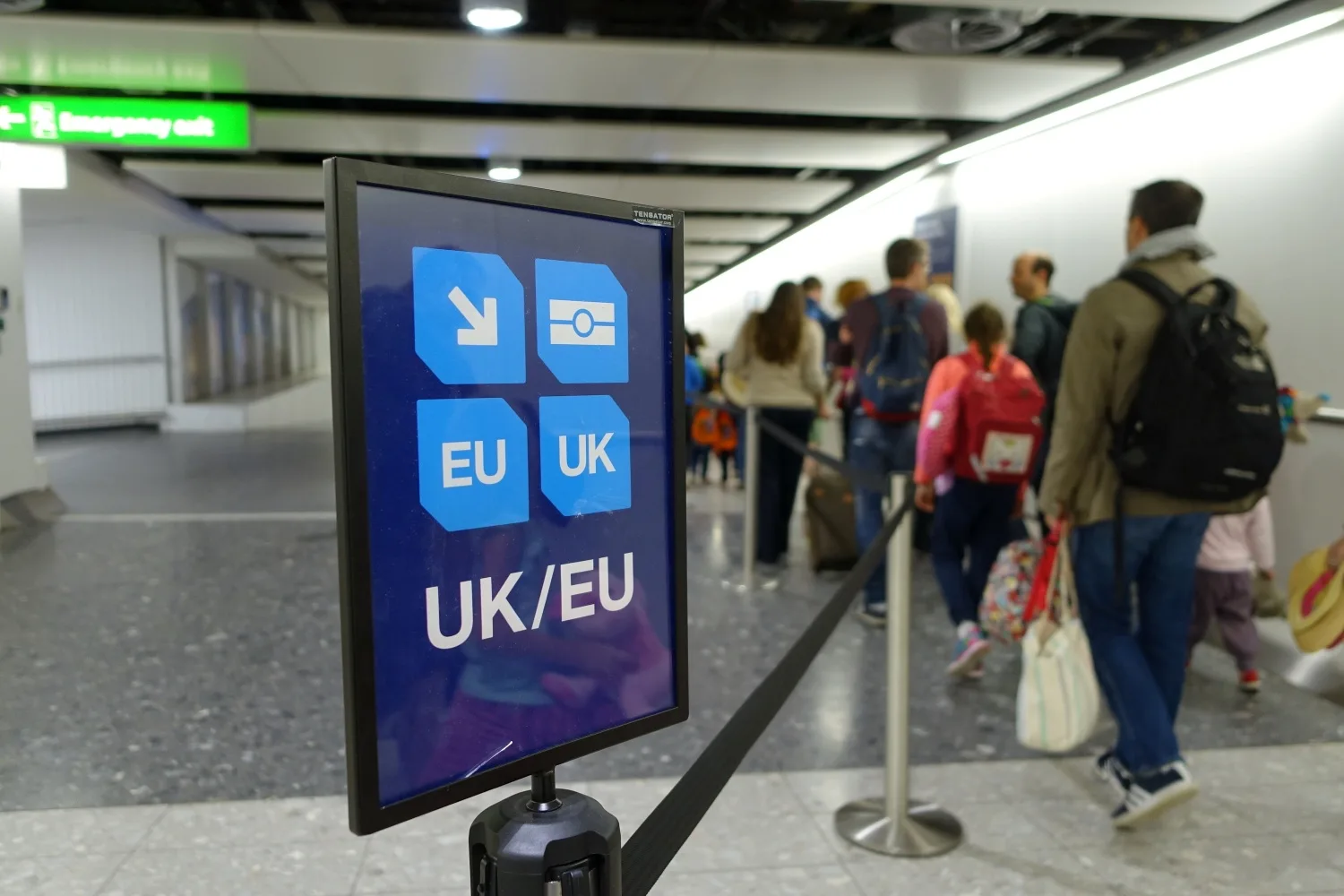
Ninety days in any hundred-and-eighty. Not per visit, not per half-year, and it does not reset when you leave. The rolling window is stated in one line and miscounted by almost everyone who relies on it.
What It Would Do If We Stopped Telling It
Rewilding proposes restoring the processes rather than maintaining the picture. It has produced some of the most interesting places in Europe to visit and some of the sharpest rural politics on the continent — and the politics are the real problem.
The Countries That Cannot Devalue
Ecuador, El Salvador, Panama and Zimbabwe gave up the ability to print money. The convenience for a visitor is real; so is the reason those destinations cost more than their neighbours and will go on doing so.
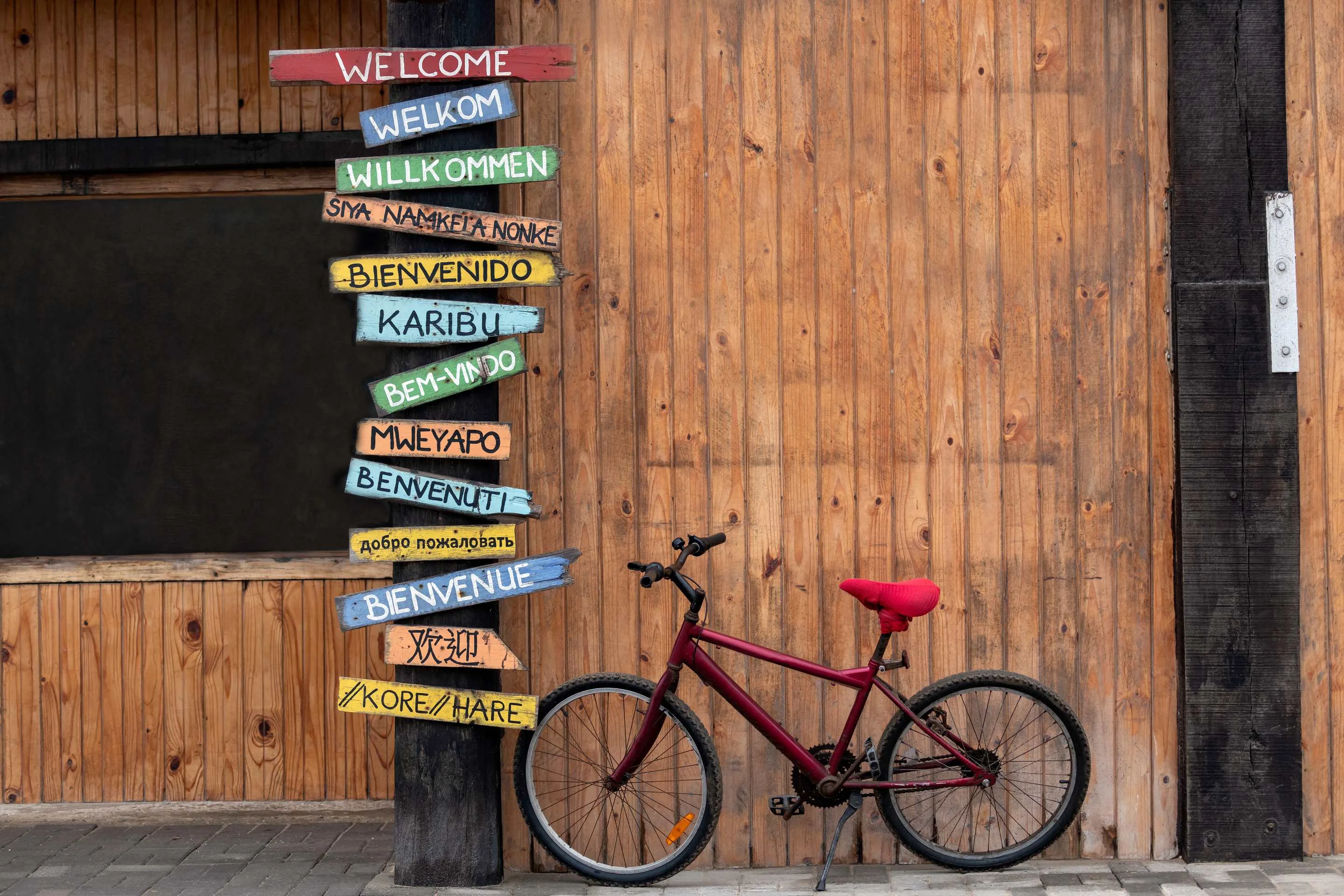
A Generation Earlier
In a great many destinations the language in the market is not the language on the signs. How transmission actually breaks, what revival looks like when it works, and the small thing a visitor can genuinely do.
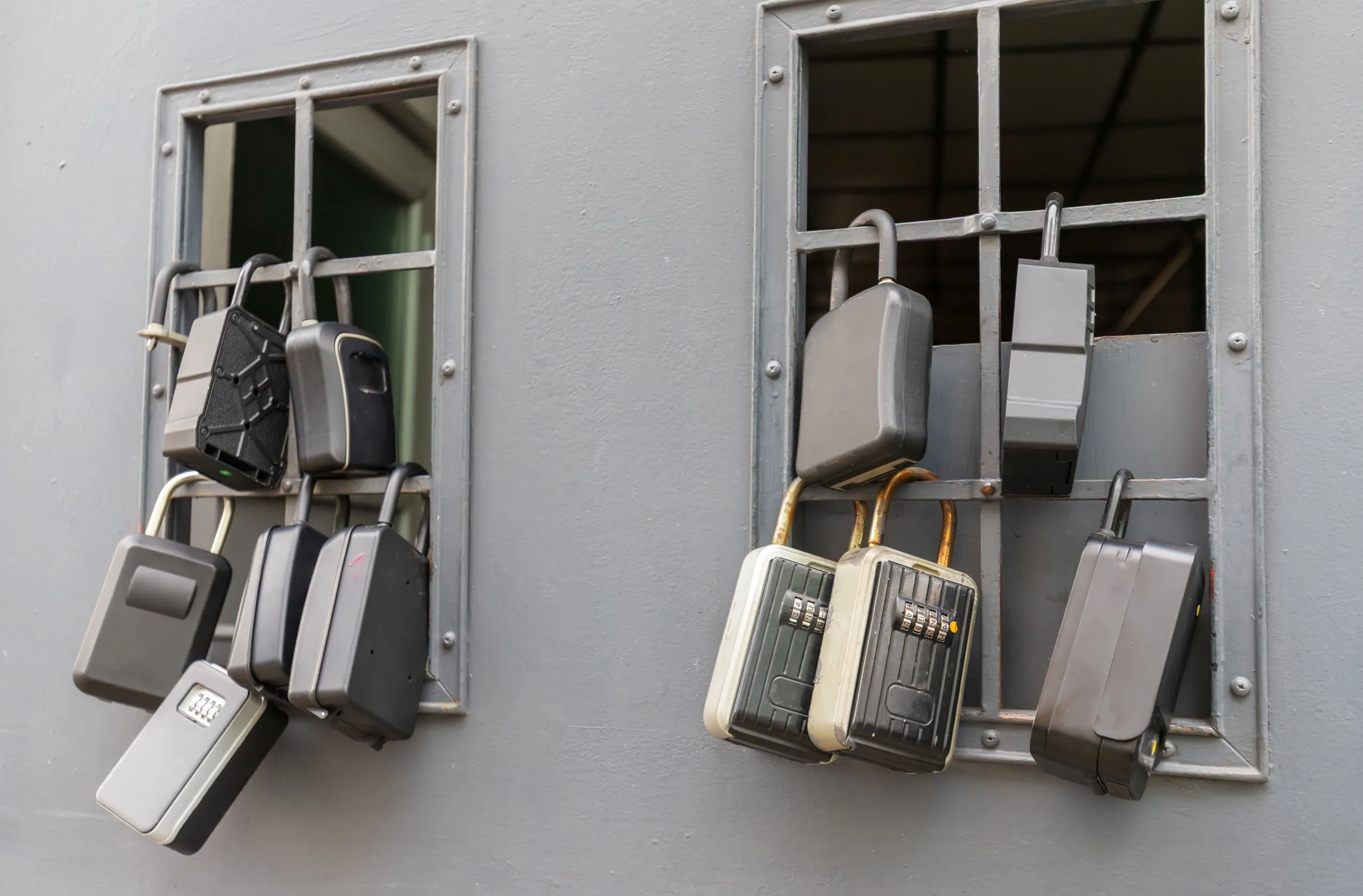
Four Instruments and a Housing Market
Registration, night caps, zone refusals and principal-residence rules. The anatomy of short-let regulation, why an unlicensed listing is the guest’s risk rather than the host’s, and what an enforcement action does to a booking.
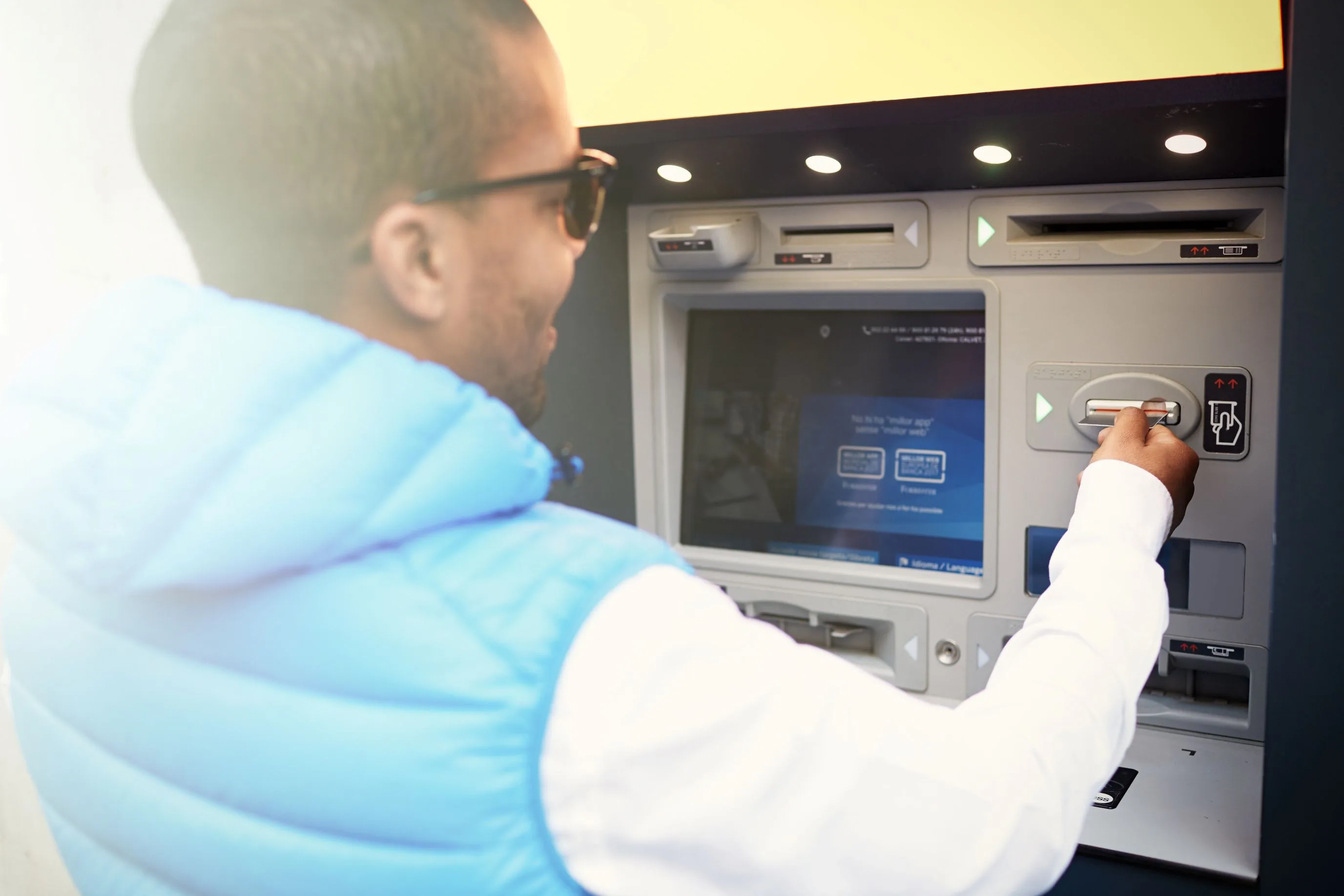
The Rate the Machine Offers You
The ATM asks whether you would like to be charged in your own currency, at a rate shown helpfully on screen. Accepting is the single most reliable way to lose money abroad — and it does not remove your own bank’s foreign-transaction fee either.
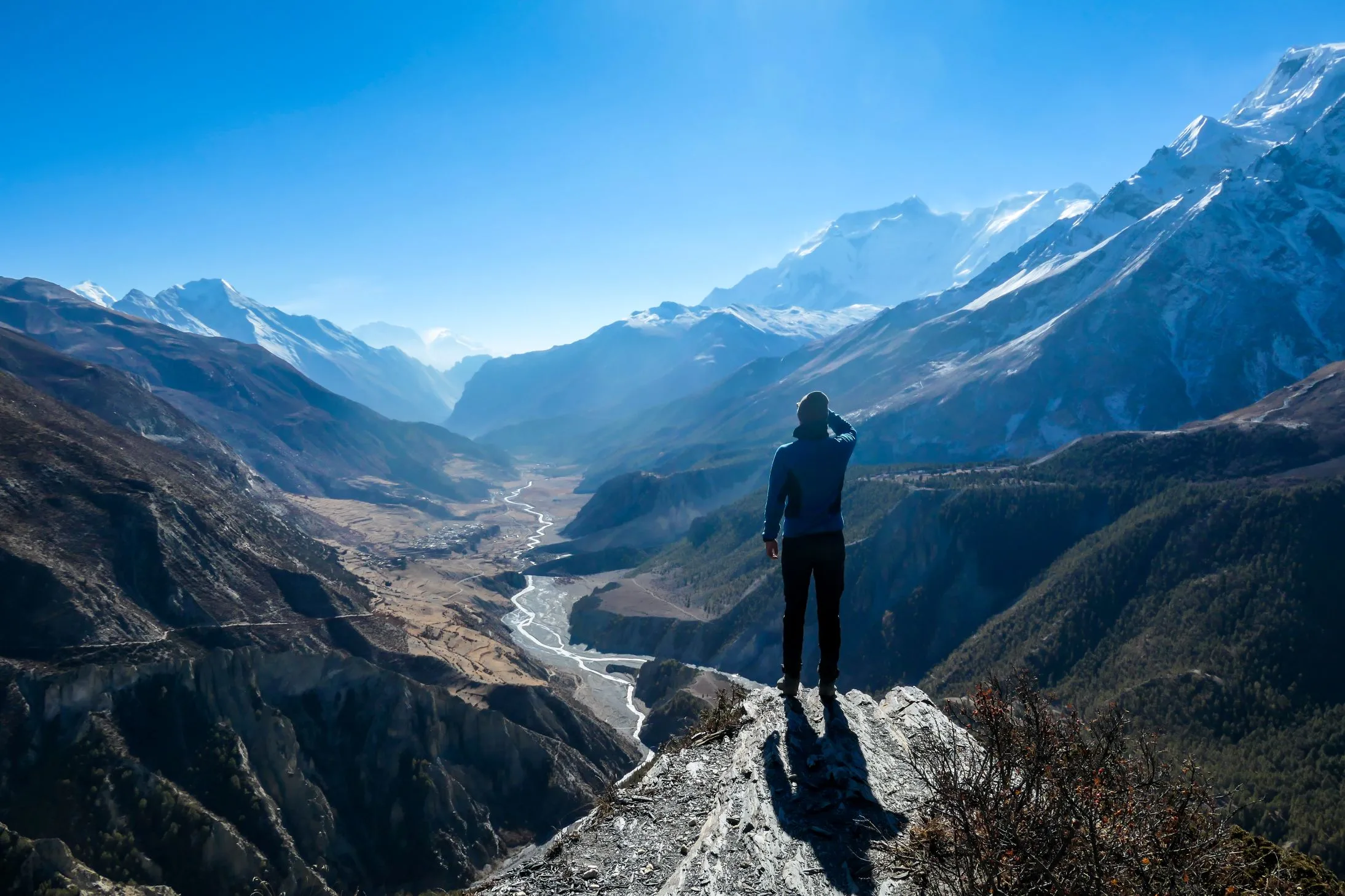
The Newest Marker Is Furthest From the Ice
Retreat has outrun the infrastructure built to show it: viewpoints of where a glacier was, approaches over unstable moraine, and a permafrost problem above the ice that has closed classic routes outright.
Free of the Consulate, Not of the Fee
A layer has been inserted underneath the visa waiver: an authorisation that costs money, must be obtained in advance, and can be refused. It is not a visa. For a traveller the difference is administrative law rather than experience.
It Stops Being True Through Being Said
The most-used word in travel marketing turns out to describe the visitor rather than the place — and to contain a preference for other people staying poor and photogenic that is worth saying out loud.
A Hundred People in One Alley
Overtourism sounds like a quantity problem. Nearly every measured case is a concentration problem — a few streets, a few days, an afternoon peak set by twenty scheduling decisions. Including, this magazine should admit, decisions like ours.
The Fare Was Never the Price
Unbundling did not make flying more expensive — in real terms it did the opposite. What it did was make the cheapest-looking fare systematically the one with the most stripped out, because every search engine on earth sorts on the base number.

The Stamp Becomes a Database
Europe is replacing the passport stamp with a biometric record of every external crossing. The short-stay rule has not changed at all. The probability of the rule being noticed has changed completely.
A Claim About a World That Did Not Happen
Twenty years of evidence has been unkind to the checkbox at the end of a booking. The mechanism is not fraudulent in general; the specific product sold to air passengers has failed on its own terms often enough to stop calling a flight neutral.
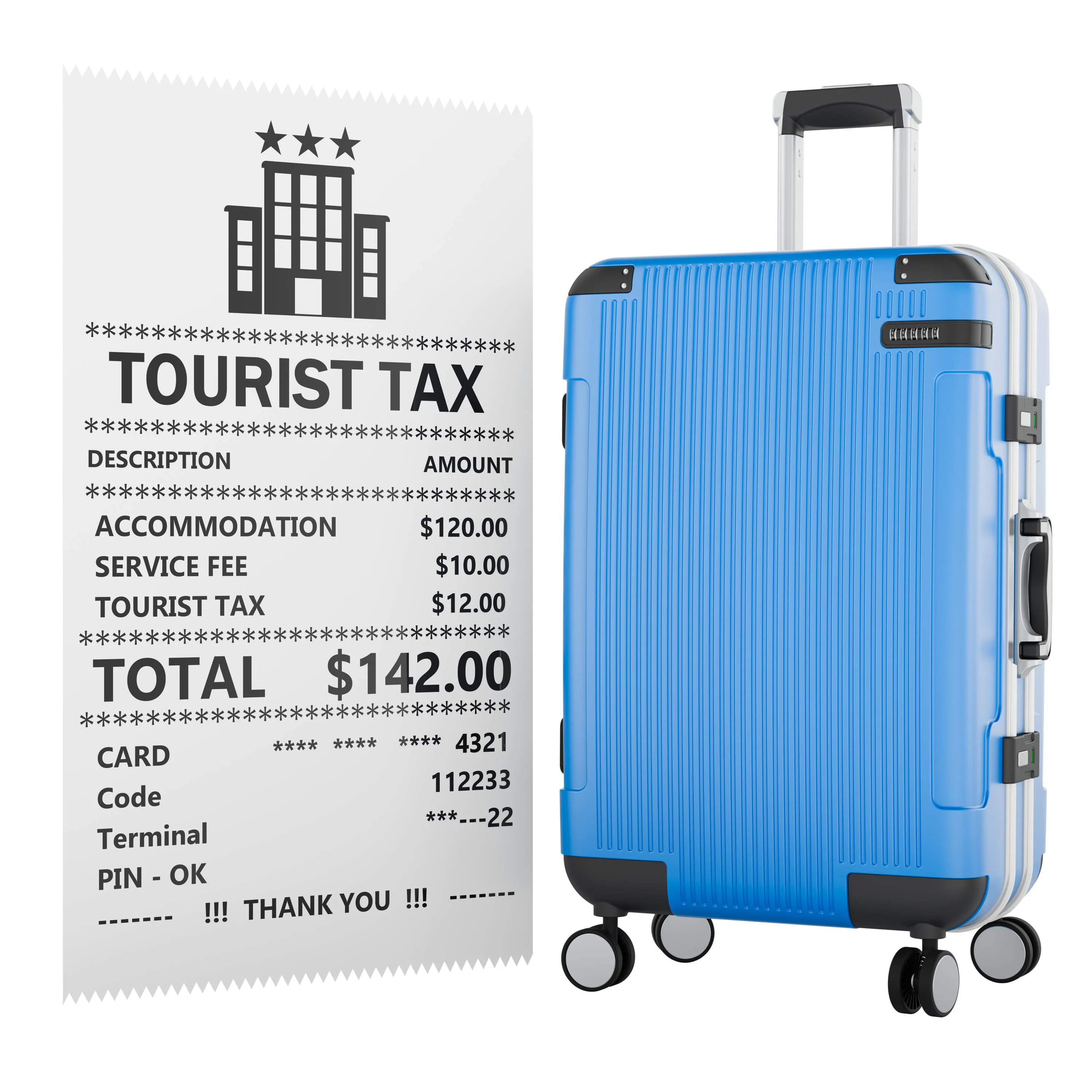
The Line Nobody Budgets For
The visitor levy is the one charge on a European trip that almost nobody budgets for and almost everybody pays. Three collection models, a long list of exemptions nobody advertises, and a tax whose payers have no vote in the council that sets it.
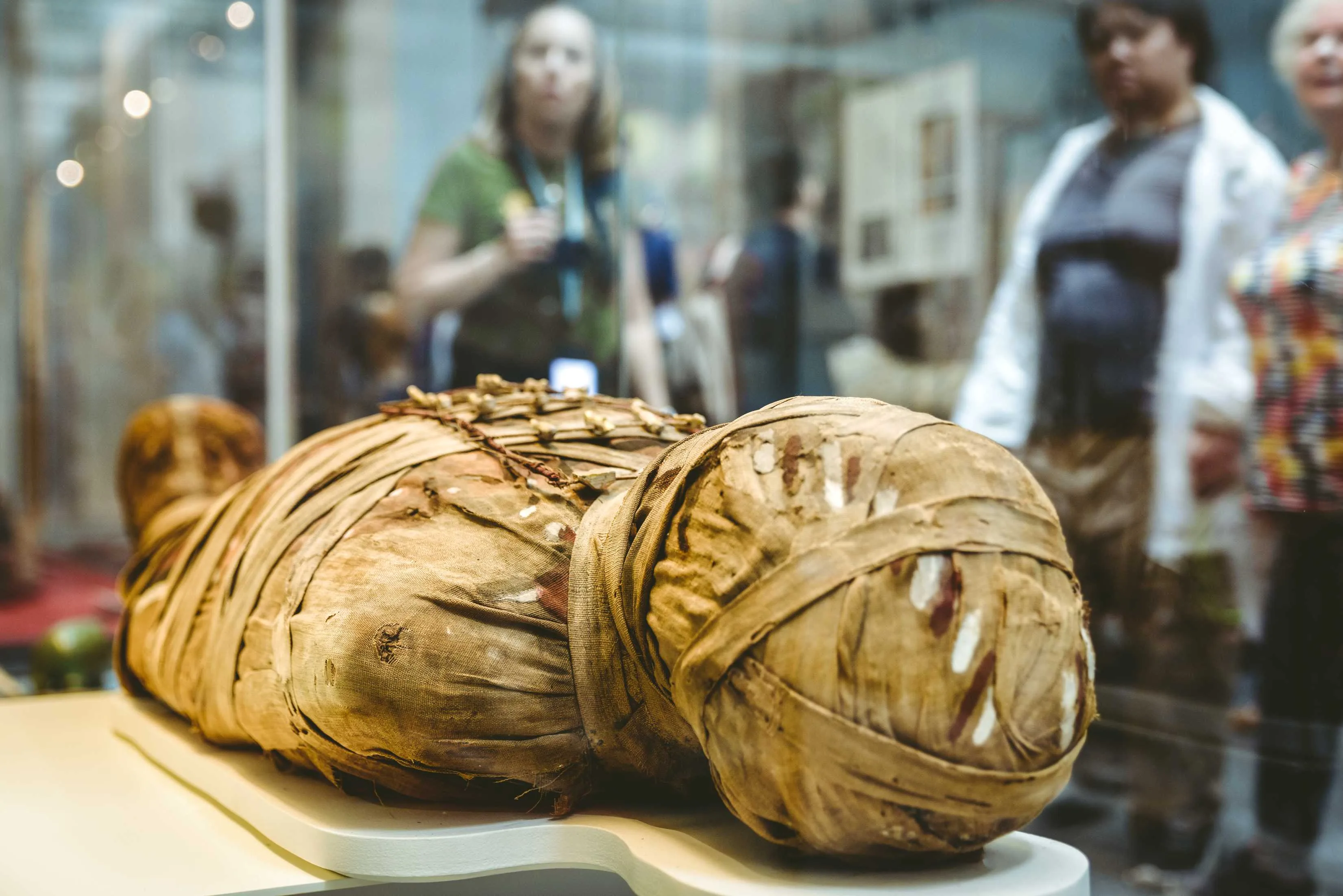
The Returns That Happened Were Decisions
Four different kinds of restitution claim that get wrongly treated as one, why the law resolves almost none of them, and what has actually changed — provenance publication, faster than any transfer.
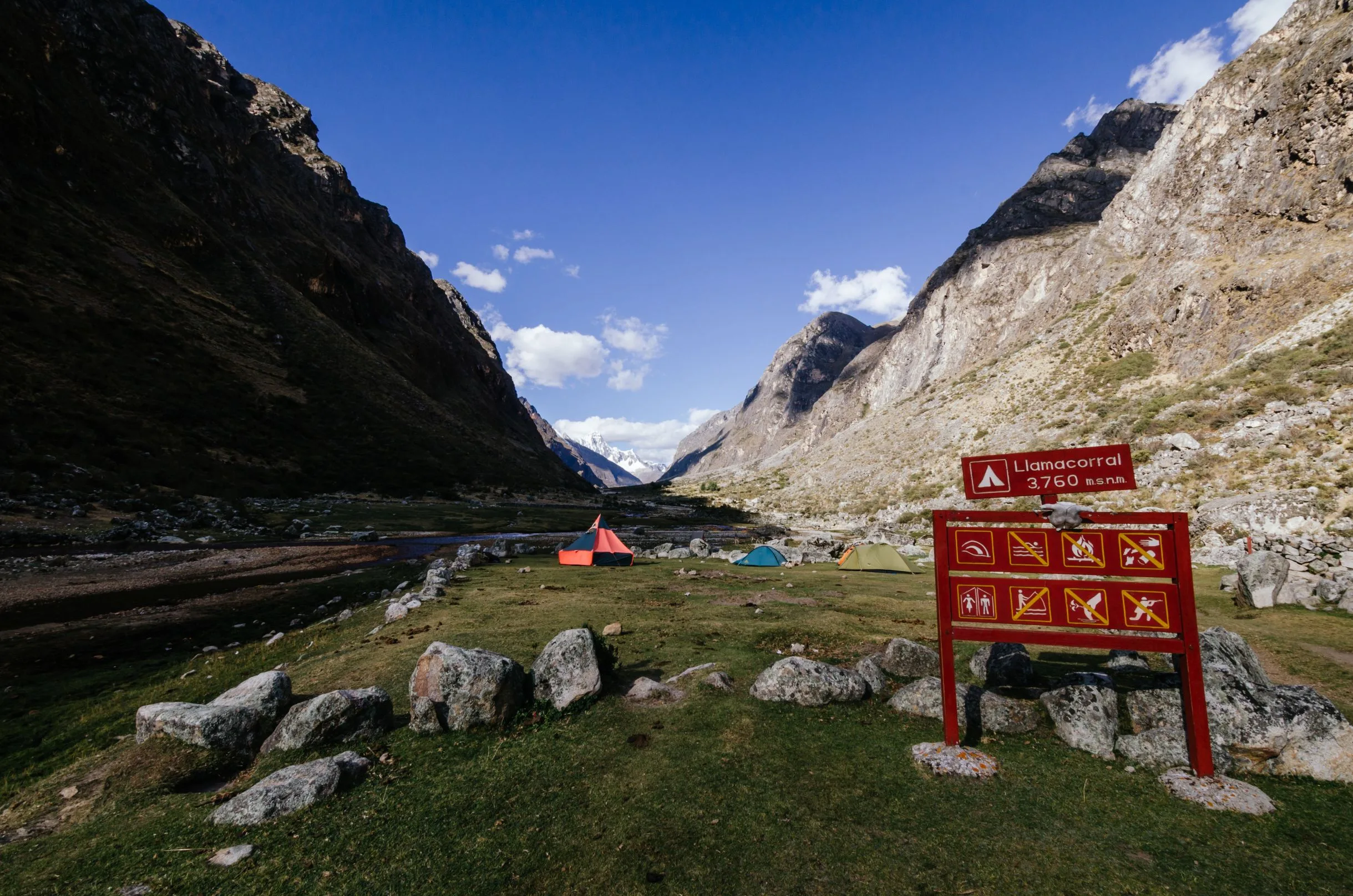
The Number Was Chosen by Someone Who Counted
Some of the best-known walks on earth cannot be walked on a decision. Three rationing systems — release-date scramble, ballot, rolling quota — that are not interchangeable, and the operator layer that changes the problem entirely.
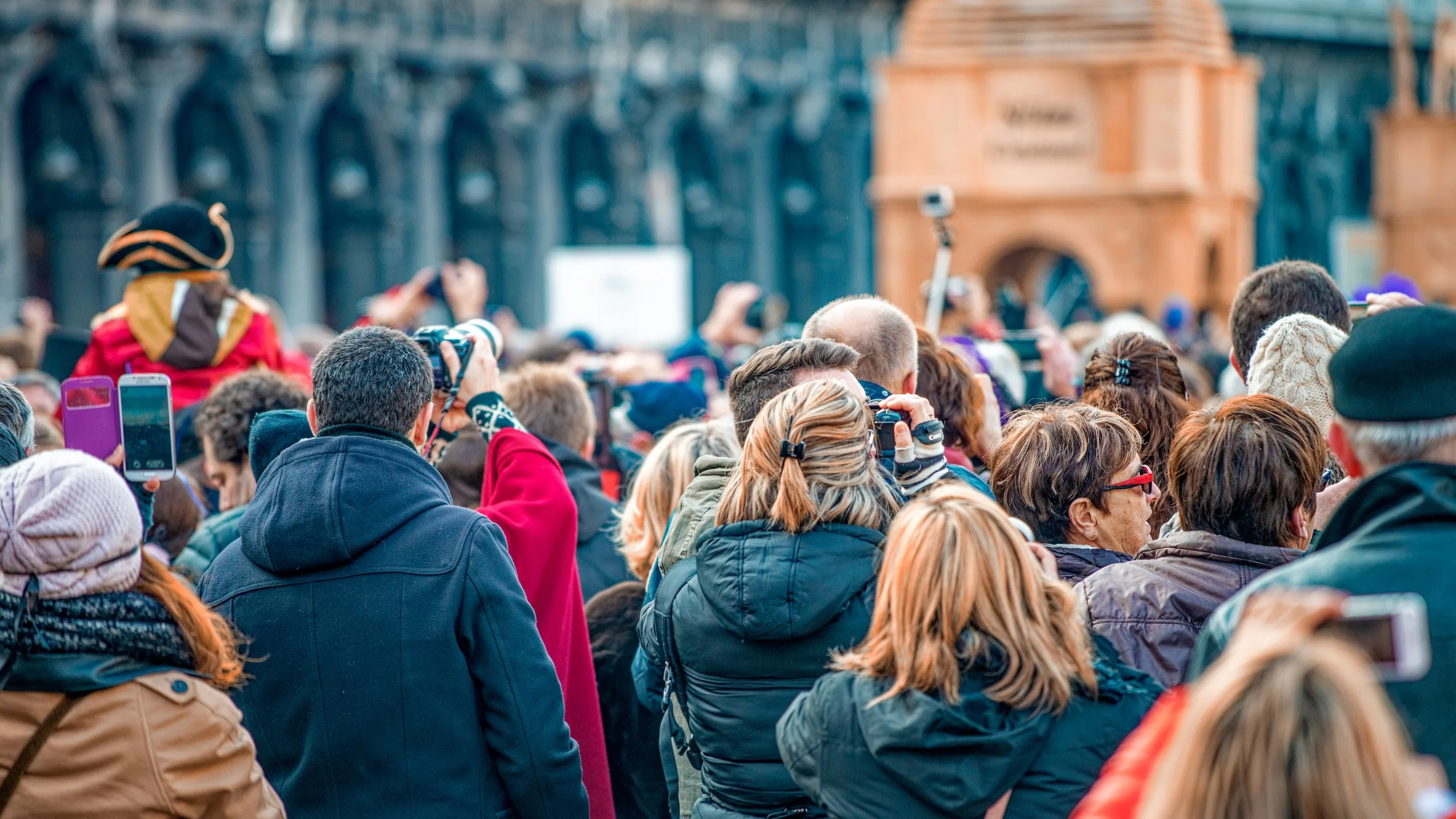
The Fee That Was Never About the Money
Venice became the first major city to charge day visitors for entering it. The amount is trivial, the revenue is small, and the residents are unconvinced. What the scheme actually produced was advance notice of who is coming — the one number the city never had.